
Quick Answer: No, dogs cannot catch the common cold from humans. Human cold viruses, such as rhinoviruses, are species-specific and cannot infect dogs. Instead, dogs develop cold-like symptoms from their own canine respiratory viruses and bacteria, including canine parainfluenza virus and Bordetella bronchiseptica.
If your dog is sneezing or coughing while you have a cold, it’s almost certainly a coincidence rather than something you passed on. Dogs catch respiratory illnesses from other dogs, not from people. However, if your dog develops difficulty breathing, refuses to eat, or their symptoms last longer than 10 days, contact your veterinarian.
🚨 Dog Cold or Veterinary Emergency?
✅ Monitor at Home
- Occasional sneezing
- Clear, watery nasal discharge
- Mild cough
- Slightly lower energy
- Still eating, drinking, and playing
⚠️ Call Your Veterinarian
- Symptoms lasting more than 10 days
- Thick yellow or green nasal discharge
- Persistent coughing
- Reduced appetite for more than 24 hours
- Fever or worsening symptoms
🚨 Seek Emergency Veterinary Care Immediately
- Difficulty breathing
- Rapid or labored breathing
- Blue or pale gums
- Complete refusal to eat or drink
- Extreme weakness or collapse
- Coughing up blood
Key Takeaways
- Dogs cannot catch the common cold from humans.
- Human cold viruses and canine cold viruses are different and do not normally spread between species.
- Dogs catch respiratory illnesses from other infected dogs.
- Kennel cough (Canine Infectious Respiratory Disease Complex or CIRD) is the most common cause of cold-like symptoms in dogs.
- Most mild dog colds improve within 7–10 days with supportive care.
- Never give your dog human cold medicine because some ingredients are toxic.
- Puppies, senior dogs, and dogs with weakened immune systems are more likely to develop complications.
If you’ve ever had a cold while your dog was curled up beside you, you’ve probably wondered whether they could catch it too. It’s a common concern, especially when your dog starts sneezing or coughing around the same time.
The good news is that dogs cannot catch the common cold from humans. Although dogs and people can develop similar symptoms, the viruses responsible are different and are adapted to infect only their own species.
In this guide, you’ll learn why dogs can’t catch your cold, what actually causes cold-like symptoms in dogs, how canine respiratory infections spread, what signs to watch for, and when it’s time to call your veterinarian.
Why You’ll Find This Guide Helpful
Cold-like symptoms in dogs can look very similar to those in people, making it easy to assume the illnesses are the same. In reality, dogs develop respiratory infections from completely different viruses and bacteria.
In this guide, you’ll discover:
- ✔ Whether dogs can catch colds from humans
- ✔ The difference between human and canine colds
- ✔ The most common symptoms of a dog cold
- ✔ How dogs actually catch respiratory infections
- ✔ Safe ways to care for a dog with a mild cold
- ✔ When cold-like symptoms require veterinary care
Whether you’re feeling under the weather yourself or your dog has started sneezing and coughing, this guide will help you understand what’s happening and what to do next.
Can Dogs Catch Colds from Humans?
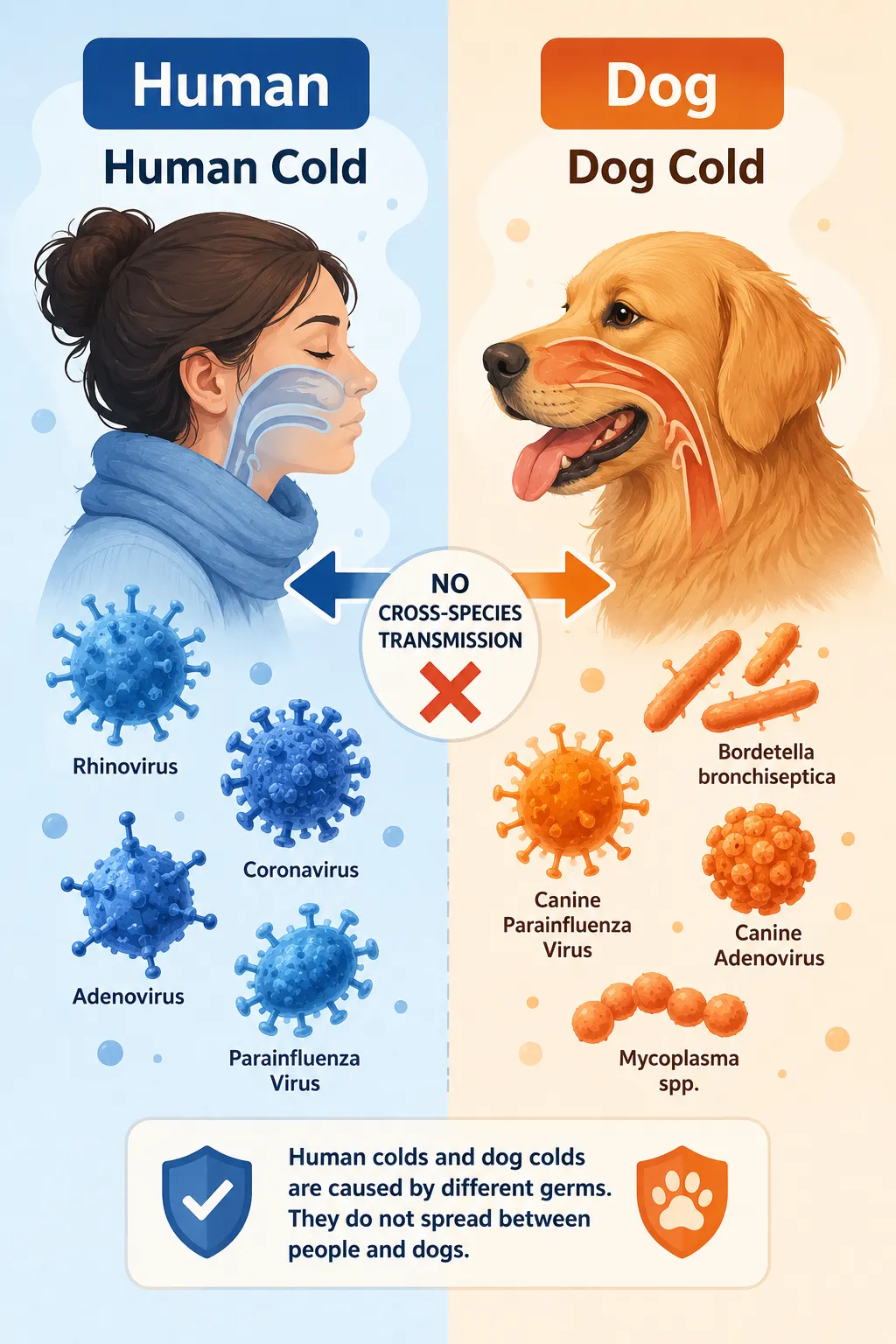
No. Dogs cannot catch the common cold from humans because the viruses that cause human colds are species-specific. Human cold viruses, such as rhinoviruses, are adapted to infect human cells and cannot reproduce in a dog’s respiratory system.
Instead, dogs develop cold-like symptoms from canine-specific viruses and bacteria, including canine parainfluenza virus, Bordetella bronchiseptica, and canine adenovirus. These pathogens spread between dogs, not from people to pets.
Although some diseases can pass between humans and animals, the everyday common cold isn’t one of them. COVID-19 has been reported in a small number of dogs, but these infections are usually mild and don’t resemble a typical dog cold.
So, if you’re home with a runny nose and your dog starts sneezing too, it’s almost certainly a coincidence rather than something you passed to them.
Takeaway: Dogs don’t catch human colds—they catch their own canine respiratory infections.
What Are the Symptoms of a Cold in Dogs?
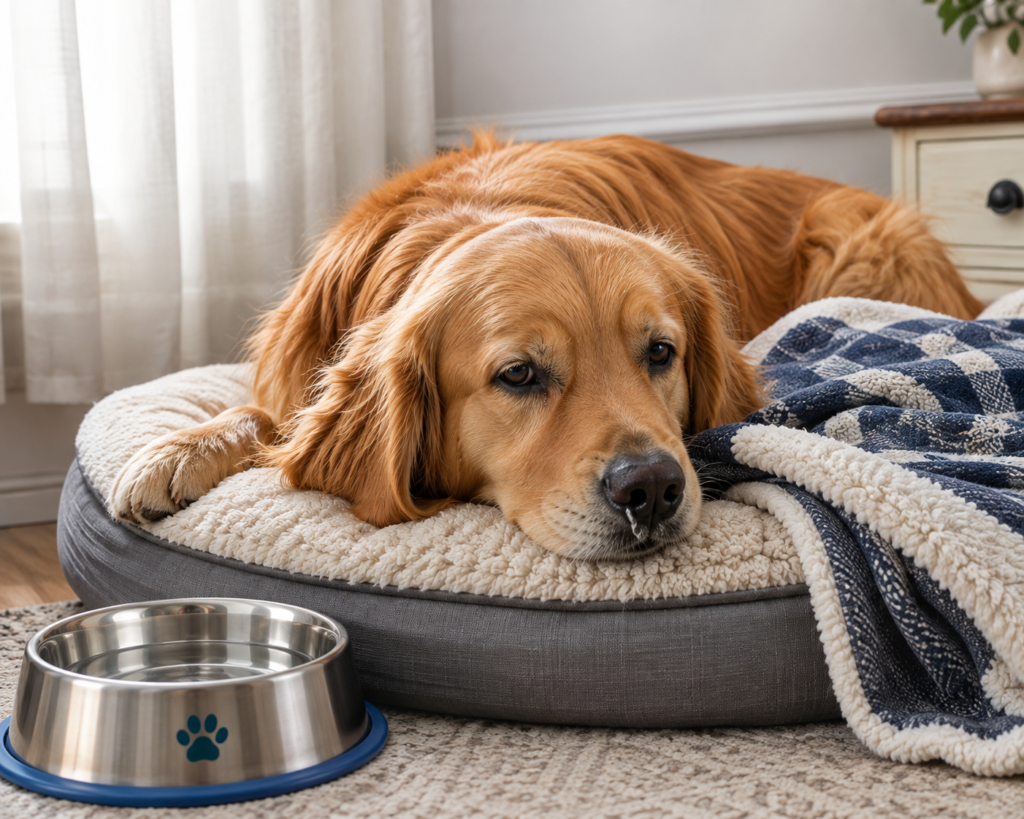
Many dog colds look surprisingly similar to human colds, especially during the early stages.
Common symptoms include:
- Sneezing
- Runny nose with clear discharge
- Mild coughing
- Watery eyes
- Lower energy than usual
- Reduced appetite
- Mild fever in some cases
Most dogs continue drinking water and remain interested in their surroundings, even if they aren’t quite as playful as normal.
Watch for these warning signs that suggest a more serious illness:
| Typical Dog Cold | Concerning Signs |
|---|---|
| Clear nasal discharge | Thick yellow or green discharge |
| Occasional dry cough | Persistent or wet cough |
| Slightly tired | Very weak or unwilling to move |
| Normal breathing | Rapid or difficult breathing |
| Improves within 7–10 days | Lasts longer than 10 days |
One common myth is that a warm, dry nose means your dog is sick. In reality, the best indicators are changes in breathing, energy level, appetite, and coughing.
Takeaway: Mild sneezing and a runny nose often improve with rest, but breathing problems or symptoms lasting longer than 10 days require veterinary care.
How Do Dogs Catch Colds?
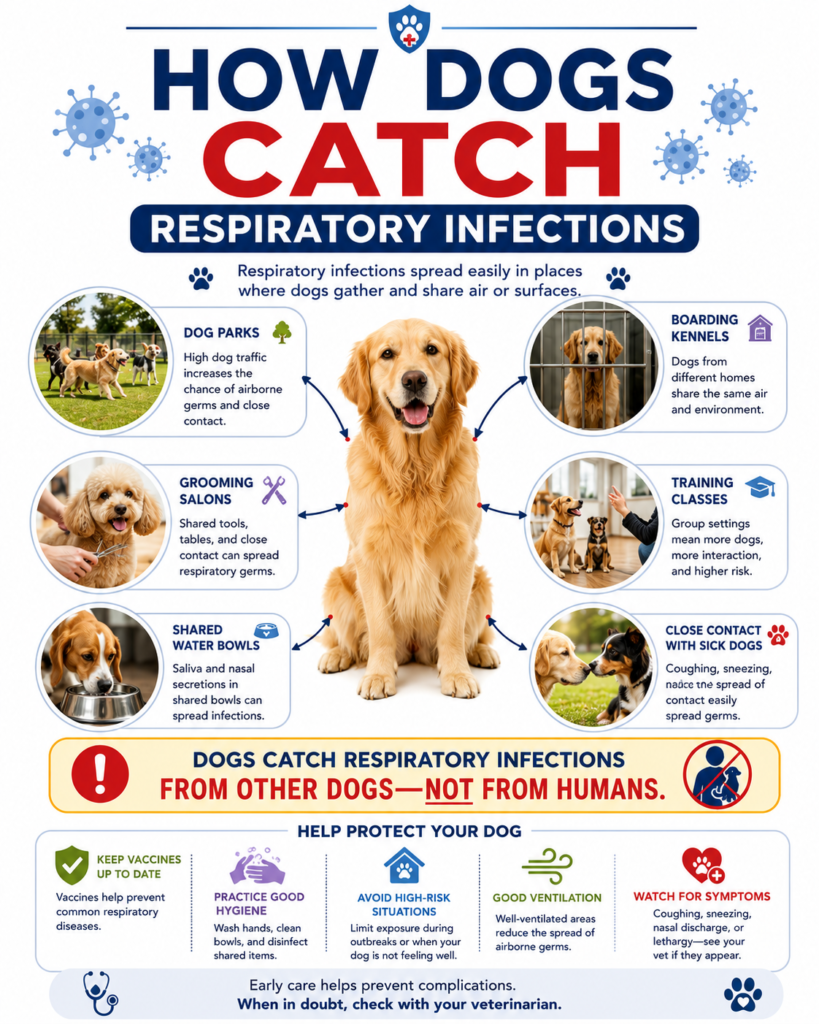
Dogs catch respiratory infections from other infected dogs, not from humans.
The viruses and bacteria that cause canine respiratory disease spread through:
- Direct contact with infected dogs
- Coughing and sneezing
- Shared food or water bowls
- Contaminated toys and surfaces
- Boarding facilities
- Dog parks
- Grooming salons
- Training classes
One of the most common respiratory illnesses is kennel cough, also called Canine Infectious Respiratory Disease Complex (CIRD).
Kennel cough often causes a distinctive honking cough that sounds like your dog has something stuck in their throat. It’s usually caused by a combination of viruses and bacteria, with Bordetella bronchiseptica being one of the most common bacterial causes.
Fortunately, vaccines are available to help reduce the risk of Bordetella and several other respiratory infections, especially for dogs that regularly socialize with other dogs.
Takeaway: Dogs catch colds from other dogs through close contact—not from people.
How Long Does a Dog Cold Last?
Most mild dog colds improve within 7 to 10 days with supportive care.
Some dogs begin feeling better within five days, while others may take up to two weeks to fully recover.
During recovery:
- Encourage plenty of rest.
- Make sure your dog stays hydrated.
- Offer soft, warm food if their appetite is reduced.
- Limit strenuous exercise until they’re feeling better.
If symptoms continue beyond 10 days, or your dog starts getting worse instead of better, it’s time to schedule a veterinary examination. A longer illness may mean a secondary bacterial infection or another respiratory condition that requires treatment.
Most dog colds are caused by viruses, so antibiotics usually aren’t needed. However, your veterinarian may prescribe antibiotics if a bacterial infection develops.
Never give your dog human cold medicine. Ingredients such as acetaminophen, pseudoephedrine, and xylitol can be toxic and may cause life-threatening complications.
If your dog develops difficulty breathing, blue or pale gums, collapses, or coughs up blood, seek emergency veterinary care immediately.
Takeaway: Most dog colds clear up within 7–10 days, but worsening symptoms or breathing problems should always be treated as an emergency.
How to Prevent Colds in Dogs
Although you can’t prevent every respiratory infection, there are several simple steps you can take to reduce your dog’s risk.
Good prevention includes:
- Keeping vaccinations up to date, including Bordetella if recommended by your veterinarian
- Avoiding boarding facilities or dog parks during known outbreaks
- Not sharing bowls, toys, or bedding with sick dogs
- Keeping sick dogs away from healthy pets
- Feeding a balanced diet to support a healthy immune system
- Scheduling regular veterinary wellness exams
Puppies, senior dogs, and dogs with weakened immune systems are more likely to become seriously ill, so preventing exposure is especially important for these groups.
Takeaway: Vaccination, good hygiene, and avoiding exposure to sick dogs are the best ways to reduce your dog’s risk of catching a respiratory infection.
What Home Remedies Help a Dog with a Cold?
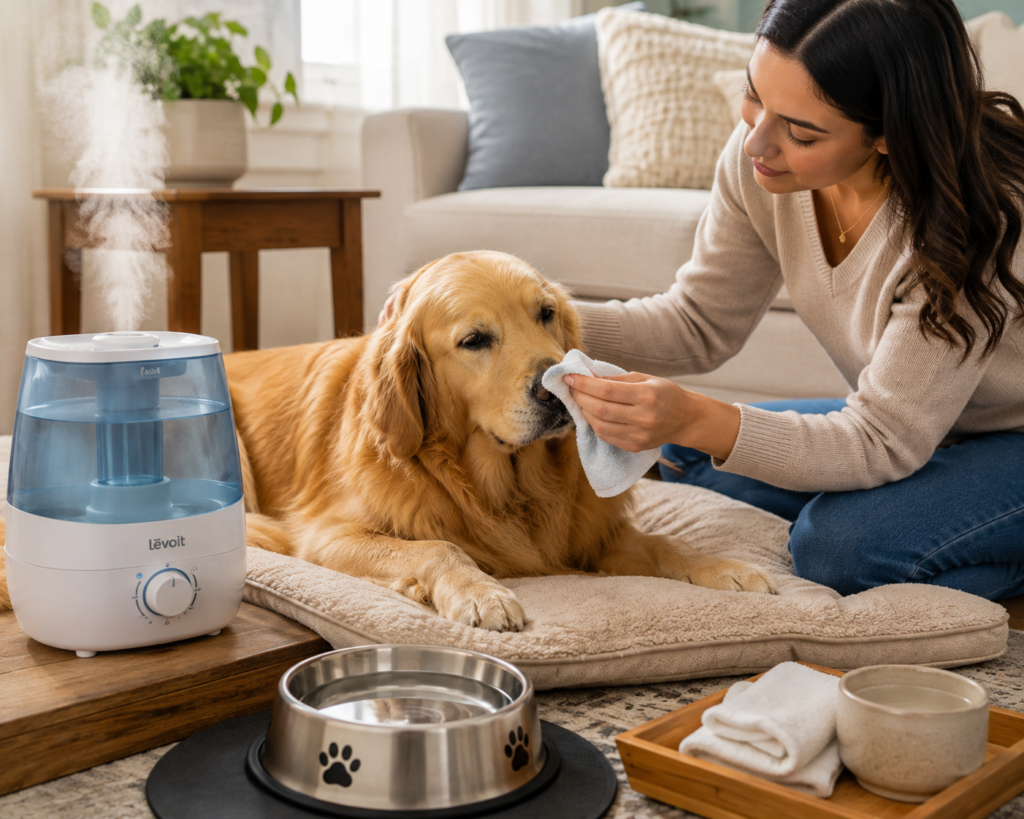
Most mild dog colds can be managed at home with supportive care while your dog’s immune system fights the infection. The goal is to keep your dog comfortable, hydrated, and well-rested while monitoring for signs that the illness is getting worse.
You can help your dog recover by:
- Providing plenty of fresh drinking water.
- Encouraging rest in a warm, quiet place.
- Offering warm, soft food if their appetite is reduced.
- Using a humidifier to add moisture to the air and ease congestion.
- Gently wiping away nasal discharge with a warm, damp cloth.
- Limiting exercise until your dog is feeling better.
Avoid using steam from a hot shower in a small bathroom, as dogs can overheat quickly. You should also avoid essential oils because many are toxic to dogs.
Most importantly, never give your dog human cold medicine. Ingredients such as acetaminophen, pseudoephedrine, and xylitol can be dangerous and should only be used if specifically prescribed by a veterinarian.
Takeaway: Rest, hydration, and supportive care are usually all that’s needed for a mild dog cold, but human cold medicines should never be used.
Can Humans Catch Colds from Dogs?
No. Just as dogs cannot catch the common cold from humans, people cannot catch a dog’s cold.
The viruses and bacteria that cause canine respiratory infections are adapted to infect dogs, while human cold viruses are adapted to infect people. This species barrier prevents the common cold from spreading between dogs and humans.
Although some diseases can pass between animals and people, these are different from the viruses that cause everyday colds. Good hygiene—such as washing your hands after handling a sick pet—is still a sensible habit, but you don’t need to worry about catching your dog’s cold.
If you have more than one dog, however, it’s a different story. A dog with a respiratory infection can easily spread it to other dogs through coughing, sneezing, shared bowls, toys, or close contact.
Takeaway: Your dog can’t give you a cold, but they can spread respiratory infections to other dogs.
Frequently Asked Questions
Can my dog sleep in my bed if I have a cold?
Yes. A common human cold won’t spread to your dog. If you’re feeling unwell, basic hygiene such as washing your hands and covering coughs or sneezes is generally all that’s needed.
Can dogs catch the flu from humans?
Seasonal human influenza doesn’t normally spread to dogs. However, dogs can develop their own forms of influenza caused by canine influenza viruses.
Can cats catch my cold?
No. Like dogs, cats have their own respiratory viruses and don’t catch the common cold from people.
Should I isolate my dog if they have a cold?
Yes. If your dog has a respiratory infection, it’s best to keep them away from other dogs until they’ve recovered. This helps reduce the spread of contagious canine illnesses such as kennel cough.
Do puppies get colds more easily?
Yes. Puppies have developing immune systems, making them more likely to catch respiratory infections and develop complications than healthy adult dogs.
Can dogs recover from a cold without antibiotics?
Yes. Most dog colds are caused by viruses and improve within 7–10 days with rest and supportive care. Antibiotics are only needed if your veterinarian diagnoses a secondary bacterial infection.
Conclusion
The good news is that you don’t have to worry about giving your dog your cold. Human cold viruses and canine respiratory viruses are different, so the common cold doesn’t normally spread between people and dogs.
If your dog develops sneezing, coughing, or a runny nose, they’re much more likely to have picked up a canine respiratory infection from another dog than from you. Most mild cases improve within a week or so with rest, fluids, and supportive care.
Keep a close eye on your dog’s symptoms, avoid giving human cold medicines, and contact your veterinarian if symptoms last longer than 10 days or if your dog has difficulty breathing, refuses food, or becomes unusually weak. Acting early gives your dog the best chance of a quick recovery.