
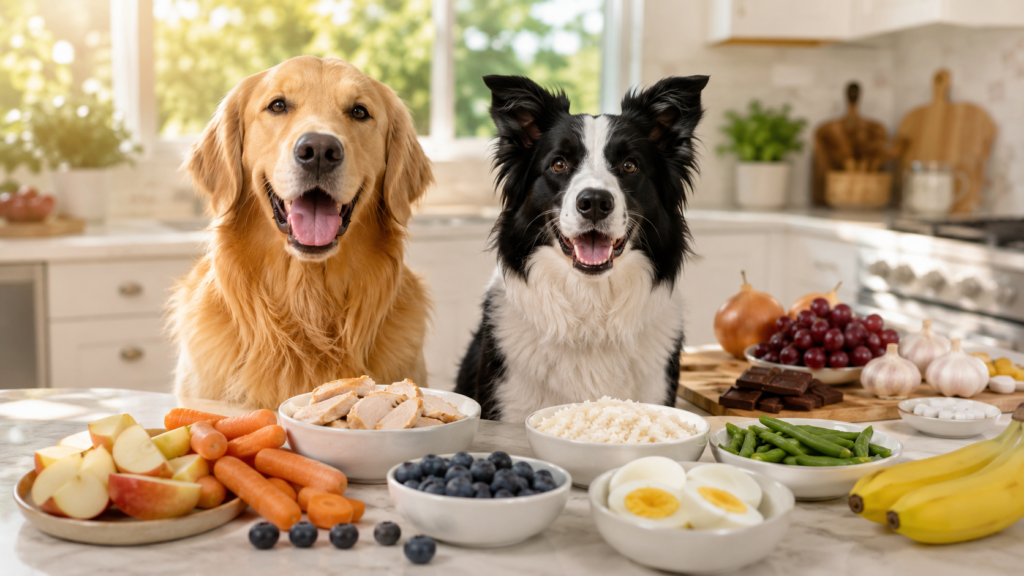
Quick Answer: Yes, dogs can safely eat many human foods, including cooked chicken, plain rice, carrots, apples (without seeds), peanut butter (without xylitol), and plain yogurt. However, foods such as chocolate, grapes, raisins, onions, garlic, macadamia nuts, and anything containing xylitol are toxic and can cause serious illness or even death. Always check whether a food is safe before sharing it with your dog.
Key Takeaways:
- Many human foods are safe for dogs in moderation, including lean proteins, certain fruits, and vegetables
- Chocolate, xylitol, grapes, raisins, onions, garlic, and macadamia nuts are among the most dangerous foods for dogs
- Always check ingredient labels, especially for xylitol, onions, garlic, and other hidden ingredients that may be toxic to dogs.
- Human food should never replace complete dog food as a primary diet
- Even safe foods can cause stomach upset if introduced too quickly
- Treats should make up no more than 10% of a dog’s daily calories
- If your dog eats a known toxic food, contact your veterinarian or an animal poison center immediately—don’t wait for symptoms to appear.
Every dog owner has wondered whether it’s safe to share a bite of food with their furry friend. While some human foods can be healthy treats, others can cause serious illness—or even become life-threatening. Knowing the difference is essential for keeping your dog safe.
In this guide, you’ll learn which human foods dogs can eat, which foods they should always avoid, how to introduce new foods safely, and what to do if your dog accidentally eats something toxic. Whether you’re rewarding good behavior or simply curious about sharing your meal, this article will help you make informed decisions for your dog’s health.
What Human Foods Are Safe for Dogs to Eat?
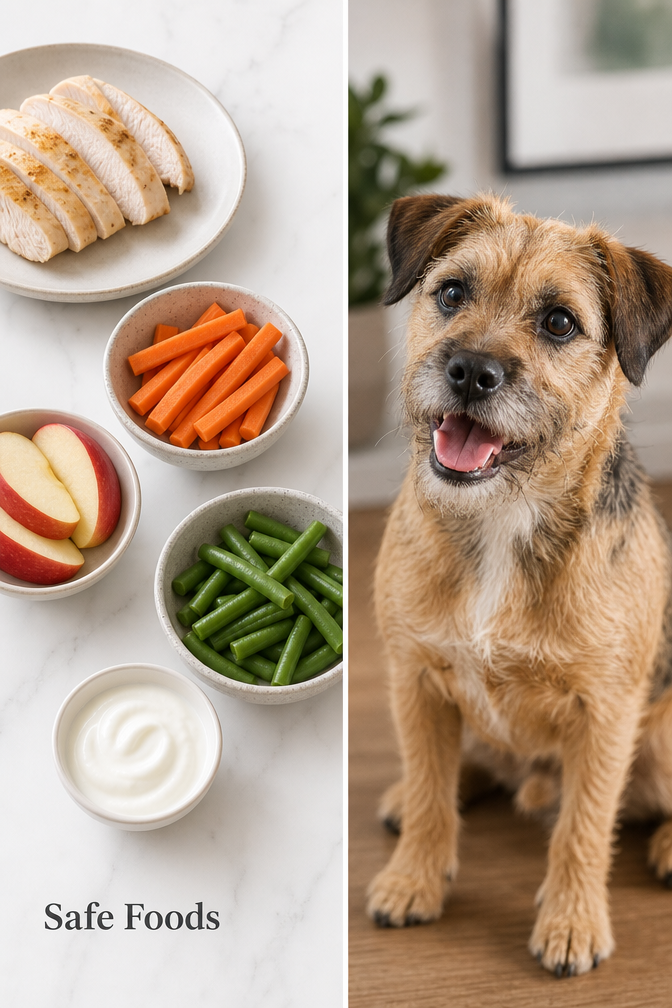
Many human foods are safe for dogs when fed in moderation. Plain cooked chicken, turkey, rice, carrots, green beans, apples (without seeds), and bananas can all make healthy treats. However, these foods should complement—not replace—a complete and balanced dog food.
Fruits & Vegetables Dogs Can Eat
Many fruits make healthy treats for dogs, including apples (without seeds), bananas, blueberries, and seedless watermelon. Serve them in bite-sized pieces and only in moderation.
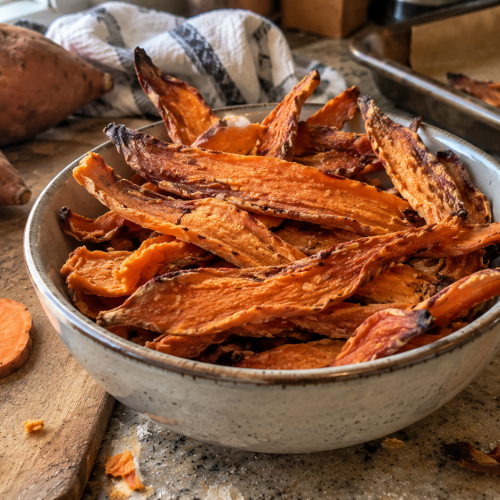
Green beans, carrots, pumpkin, and sweet potatoes are excellent vegetable choices for dogs. These foods provide fiber and essential nutrients while being low in calories. According to Healthline, green beans are full of vitamins and minerals. Dogs enjoy the crunch of raw carrots, which can also help with dental health.
Avoid adding butter, salt, oils, or seasonings, as these ingredients can upset your dog’s stomach or be harmful.
Tip
When introducing any new fruit or vegetable, start with a small amount and watch for signs of stomach upset, such as vomiting or diarrhea. Every dog is different, and some may be more sensitive than others.
Can Dogs Eat Chicken and Rice?
Yes. Plain cooked chicken and white rice are commonly recommended by veterinarians as a temporary bland diet for dogs with mild digestive upset. Use plain, boneless, skinless chicken breast and cooked white rice with no seasonings, butter, oils, onions, or garlic. This simple meal is easy to digest and can help settle an upset stomach.
However, chicken and rice should only be fed for a short time. If your dog’s vomiting, diarrhea, or loss of appetite lasts more than 24–48 hours, or if they seem lethargic or have other concerning symptoms, contact your veterinarian.
Never feed cooked chicken bones, as they can splinter and cause choking, internal injuries, or intestinal blockages. The AKC confirms that cooked chicken is a safe protein source for dogs when prepared plainly and served without bones or seasoning
Can Dogs Eat Fish Like Salmon, Shrimp, and Tuna?
Yes. Dogs can safely eat cooked salmon, shrimp, and tuna in moderation. Fish is a great source of protein and omega-3 fatty acids, which support healthy skin and a shiny coat.
Always serve fish fully cooked, plain, and boneless. Raw fish may contain harmful parasites, while fried, smoked, salted, or heavily seasoned fish can upset your dog’s stomach or contain unsafe ingredients.
Tuna should only be an occasional treat because it contains higher levels of mercury than many other fish. Salmon and sardines are generally better choices for regular treats.
Introduce fish gradually and watch for signs of stomach upset or an allergic reaction.
Can Dogs Eat Eggs and Dairy Products Like Cheese and Yogurt?
Yes. Cooked eggs are a nutritious treat for dogs, providing high-quality protein, vitamins, and minerals. Always serve eggs fully cooked to reduce the risk of harmful bacteria.
Most dogs can also enjoy small amounts of plain yogurt and cheese, but some are lactose intolerant and may develop diarrhea or stomach upset. Choose plain, unsweetened yogurt and low-fat cheese, and always check labels to ensure they do not contain xylitol, which is highly toxic to dogs.
Introduce dairy gradually and feed it only as an occasional treat. If your dog shows signs of digestive upset, avoid dairy products in the future.
Nuts & Grains: Peanuts, Peanut Butter, Cashews, Bread, Wheat, Corn, Popcorn, and Quinoa
Most nuts, grains, and cereals are safe for dogs in moderation, but some require extra caution. Plain, unsalted peanuts and peanut butter make popular treats, provided they do not contain xylitol. Cashews are also safe in small amounts, while macadamia nuts should never be fed because they are toxic to dogs.
Dogs can also eat plain bread, cooked rice, wheat, corn, quinoa, and air-popped popcorn in small amounts. Avoid butter, salt, sugar, and other seasonings, and always serve corn off the cob to prevent intestinal blockages.
Like all treats, these foods should only be an occasional addition to a balanced diet.
Other Safe Foods: Coconut, Honey, Ham, Pork, and Turkey
Yes. Dogs can safely eat coconut, honey, pork, and turkey in moderation when they are cooked and prepared properly. Turkey is an excellent lean protein, while plain cooked pork is safe as long as it’s unseasoned and trimmed of excess fat.
Honey is safe in small amounts but should only be given occasionally because it’s high in sugar. Coconut can also be offered as an occasional treat, though too much may cause stomach upset in some dogs.
Avoid processed meats like ham, which are often high in salt and fat. Always remove bones, skin, and excess fat from meat, and never season food with onions, garlic, or spices before serving.
Which Human Foods Are Toxic to Dogs?
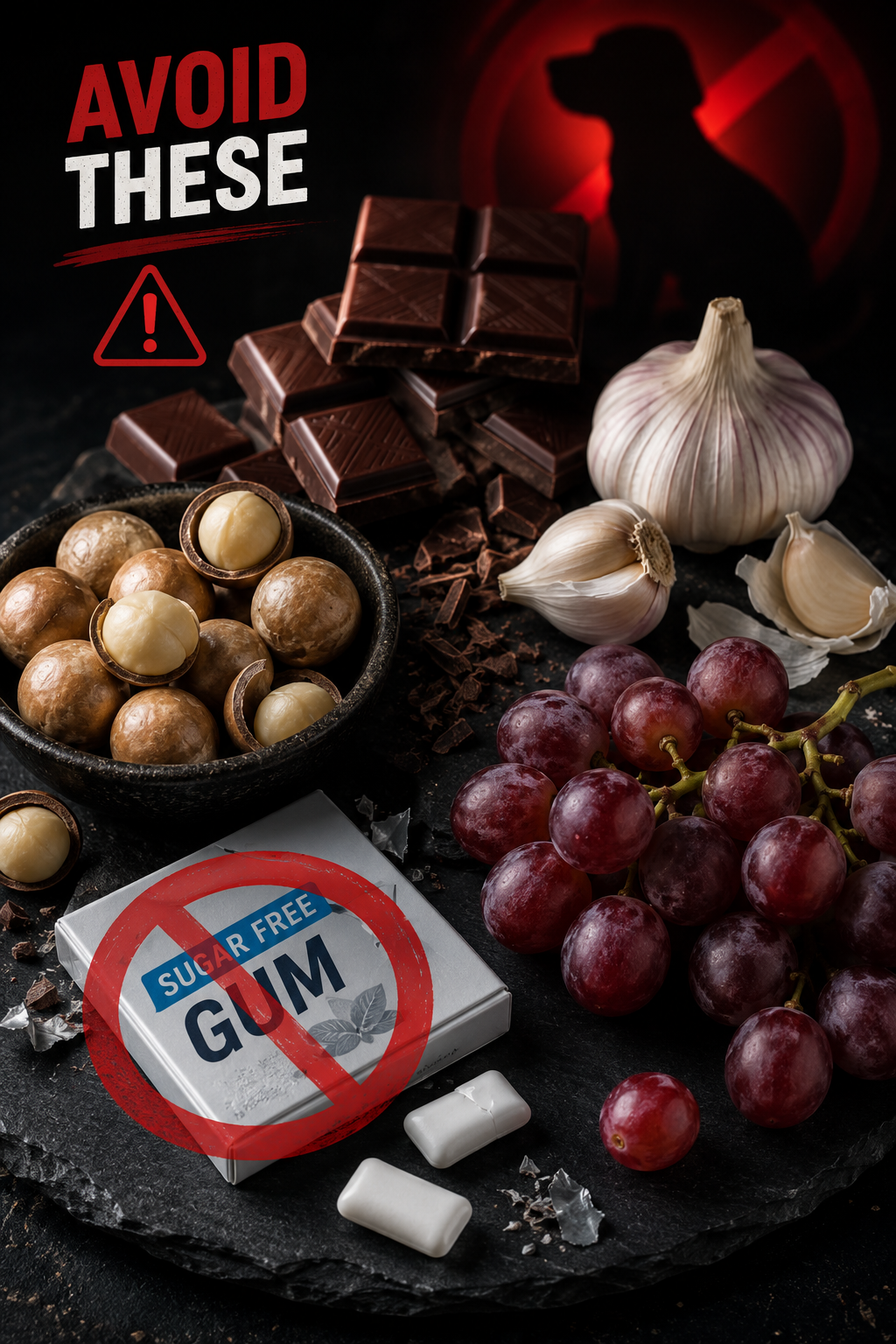
Several everyday foods that are safe for people can be highly toxic to dogs. Some, such as chocolate, xylitol, grapes, raisins, onions, garlic, and macadamia nuts, can cause serious illness or even be fatal, even in small amounts. The severity depends on the food, the amount eaten, and your dog’s size.
If you suspect your dog has eaten a toxic food, contact your veterinarian or an animal poison center immediately. Don’t wait for symptoms to appear, as early treatment can greatly improve the outcome.
Why Is Chocolate Dangerous for Dogs?
Chocolate contains theobromine and caffeine, two substances that dogs cannot process as efficiently as humans. Even a small amount—especially dark or baking chocolate—can cause serious poisoning.
Symptoms may include vomiting, diarrhea, restlessness, rapid breathing, tremors, seizures, and an increased heart rate. The darker the chocolate and the smaller the dog, the greater the risk.
If your dog eats chocolate, contact your veterinarian or an animal poison center immediately. Don’t wait for symptoms to develop, as prompt treatment can be lifesaving.
Garlic, Onions, and the Allium Family
Onions, garlic, leeks, chives, and shallots belong to the allium family and are toxic to dogs. These foods can damage red blood cells, leading to anemia. They are harmful whether raw, cooked, dried, or powdered, so even foods seasoned with onion or garlic powder can be dangerous.
Symptoms may not appear right away but can include weakness, vomiting, pale gums, loss of appetite, and difficulty breathing.
If you think your dog has eaten any member of the allium family, contact your veterinarian promptly, even if they seem normal at first.
Macadamia Nuts and Almonds
Macadamia nuts are highly toxic to dogs and should never be fed. Even small amounts can cause vomiting, weakness, tremors, difficulty walking, and fever. If your dog eats macadamia nuts, contact your veterinarian immediately.
Almonds aren’t considered toxic, but they can be difficult to digest and may cause stomach upset or create a choking hazard, especially for small dogs. They’re also high in fat, which can increase the risk of pancreatitis if eaten in large amounts.
To be safe, it’s best to avoid giving your dog any nuts unless you know they’re safe.
Xylitol: The Hidden Danger
Xylitol is an artificial sweetener found in many sugar-free gums, candies, baked goods, peanut butters, and dental products. Even a small amount can cause a rapid drop in blood sugar and, in severe cases, liver failure.
Symptoms can develop quickly and include vomiting, weakness, loss of coordination, seizures, and collapse.
Always check ingredient labels before giving your dog any human food. If you suspect your dog has eaten something containing xylitol, contact your veterinarian or an animal poison center immediately.
Other Foods to Avoid: Cinnamon, Ice Cream, and More
Some foods aren’t highly toxic but are still best avoided because they can upset your dog’s stomach or cause other health problems. These include ice cream, foods high in salt or sugar, alcohol, caffeine, and fatty or heavily processed snacks.
Cinnamon isn’t considered highly toxic, but large amounts may irritate your dog’s mouth or digestive system. Ice cream can also cause stomach upset because many dogs are lactose intolerant, and sugar-free varieties may contain xylitol, which is extremely dangerous.
When in doubt, it’s safest to stick with treats made specifically for dogs or human foods that are known to be safe.
Signs of Food Poisoning in Dogs
The symptoms of food poisoning can vary depending on what your dog ate, but they often develop within a few hours. Some toxins act quickly, while others may take longer to cause noticeable signs.
Watch for:
- Vomiting or diarrhea
- Excessive drooling
- Loss of appetite
- Weakness or unusual tiredness
- Tremors or seizures
- Difficulty breathing
- Pale gums
- Collapse or loss of consciousness
If your dog shows any of these symptoms after eating a potentially toxic food, contact your veterinarian or an animal poison center immediately. Prompt treatment can greatly improve your dog’s chances of a full recovery.
What Should I Do If My Dog Ate Something Toxic?
If you think your dog has eaten a toxic food, contact your veterinarian or an animal poison center immediately. Don’t wait for symptoms to appear, as early treatment can make a significant difference.
Do not induce vomiting unless you’re specifically instructed to do so by a veterinarian or poison expert. Some substances can cause more harm if they’re vomited back up.
If possible, keep the food packaging or note what your dog ate, how much they consumed, and when it happened. This information can help your veterinarian recommend the most appropriate treatment.
Seek emergency veterinary care right away if your dog develops vomiting, diarrhea, weakness, tremors, seizures, difficulty breathing, or collapse.
How to Feed Human Food to Your Dog Safely
Human food should only be an occasional treat, not a replacement for a complete and balanced dog food. As a general rule, treats—including human foods—should make up no more than 10% of your dog’s daily calories.
When sharing human food with your dog:
- Offer only plain, cooked foods without added salt, butter, oils, onions, garlic, or spices.
- Introduce new foods gradually and watch for signs of stomach upset or allergic reactions.
- Cut food into bite-sized pieces to reduce the risk of choking, especially for small dogs.
- Check ingredient labels carefully, particularly on peanut butter, yogurt, and packaged foods, to make sure they don’t contain xylitol or other harmful ingredients.
- Feed human foods in moderation, even if they’re considered safe, to help prevent obesity and nutritional imbalances.
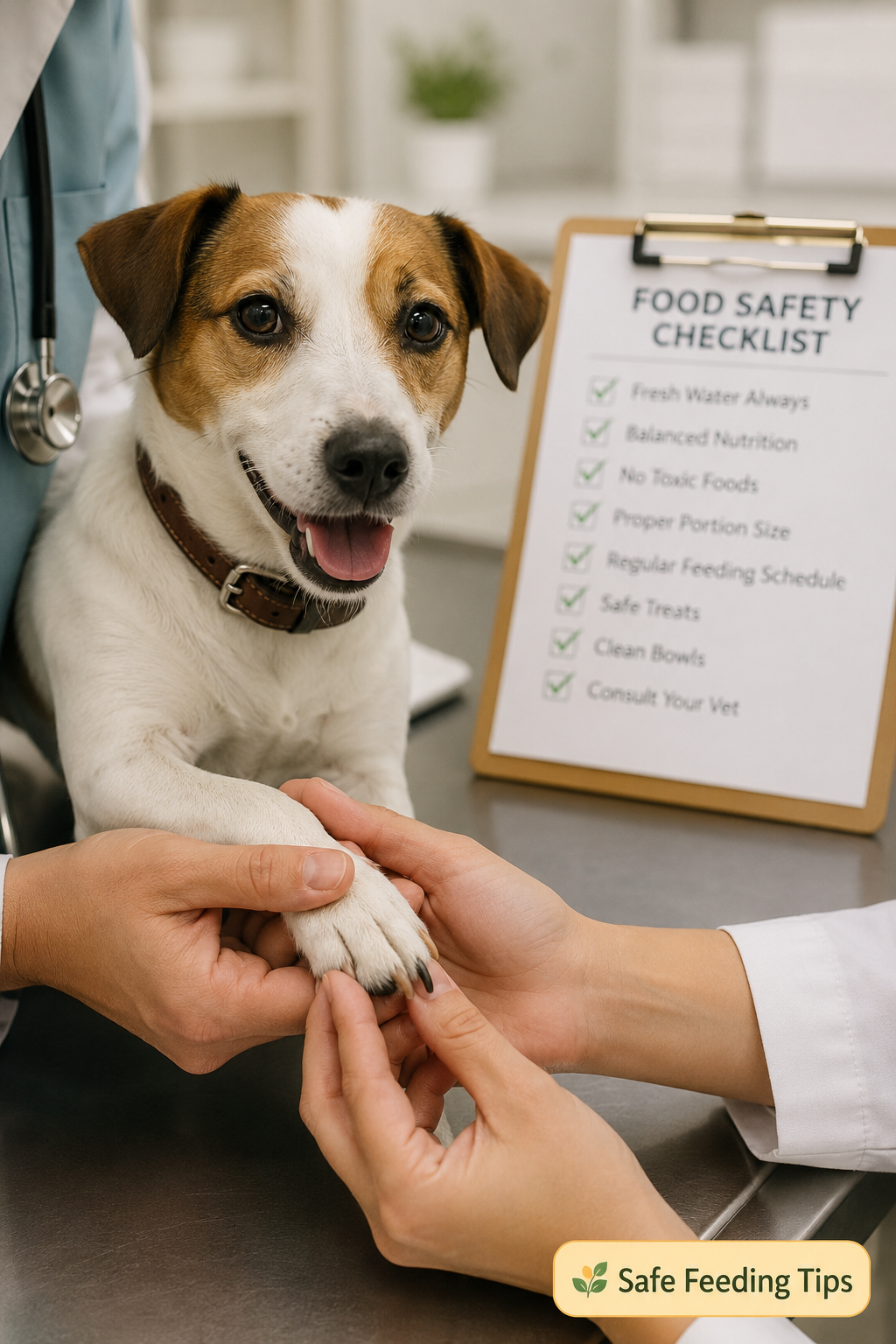
When in doubt, stick to your dog’s regular food and choose treats that are known to be safe. If you’re unsure whether a particular food is appropriate, consult your veterinarian before offering it.
Frequently Asked Questions
Can dogs eat peanut butter?
Yes, dogs can eat peanut butter in moderation as long as it does not contain xylitol, an artificial sweetener that is highly toxic to dogs. Choose plain, unsalted peanut butter with minimal added ingredients.
Can dogs eat eggs?
Yes. Fully cooked eggs are a nutritious source of protein, vitamins, and minerals for dogs. Avoid feeding raw eggs, as they may carry harmful bacteria.
Can dogs eat cheese?
Most dogs can eat small amounts of cheese as an occasional treat. However, some dogs are lactose intolerant and may develop digestive upset. Choose low-fat cheese and avoid flavored or seasoned varieties.
Can dogs eat bananas?
Yes. Bananas are safe for dogs in moderation and provide potassium, fiber, and vitamin B6. Because they’re naturally high in sugar, they should only be offered as an occasional treat.
Can dogs eat rice every day?
Plain cooked rice can be part of a temporary bland diet for dogs with digestive upset, but it shouldn’t replace a complete and balanced dog food. Healthy dogs should eat rice only occasionally unless your veterinarian recommends otherwise.
Conclusion
Knowing which human foods are safe—and which are dangerous—can help you make healthier choices for your dog. While foods like cooked chicken, carrots, apples, and plain rice can make excellent treats, others, including chocolate, grapes, onions, garlic, and xylitol, should never be fed.
When introducing any new food, offer only a small amount, avoid seasonings and harmful ingredients, and monitor your dog for any signs of digestive upset. If you ever suspect your dog has eaten something toxic, contact your veterinarian or an animal poison center immediately. A little caution goes a long way in keeping your dog safe, healthy, and happy.
References
Global News. FDA Advisory: Feeding Your Dog These Foods Could Harm Your Pet. https://globalnews.ca/news/2853352/feeding-your-dog-these-foods-stop-or-youll-harm-fidos-health-fda-advisory/
Healthline. Human Foods That Are Safe for Dogs. https://www.healthline.com/nutrition/human-foods-for-dogs
ASPCA Animal Poison Control Center. People Foods to Avoid Feeding Your Pets. https://www.aspca.org/pet-care/aspca-poison-control/people-foods-avoid-feeding-your-pets
ASPCA. Official Top 10 Pet Toxins of 2024. https://www.aspca.org/news/official-top-10-toxins-2024
GoodRx for Pets. What Foods Are Poisonous to Dogs? https://www.goodrx.com/pet-health/dog/what-foods-are-poisonous-to-dogs
U.S. Food and Drug Administration (FDA). Paws Off Xylitol; It’s Dangerous for Dogs. https://www.fda.gov/consumers/consumer-updates/paws-xylitol-its-dangerous-dogs
American Kennel Club (AKC). Human Foods Dogs Can and Can’t Eat. https://www.akc.org/expert-advice/nutrition/human-foods-dogs-can-and-cant-eat/