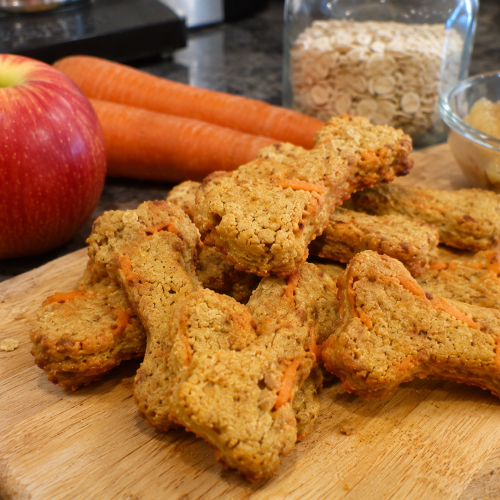

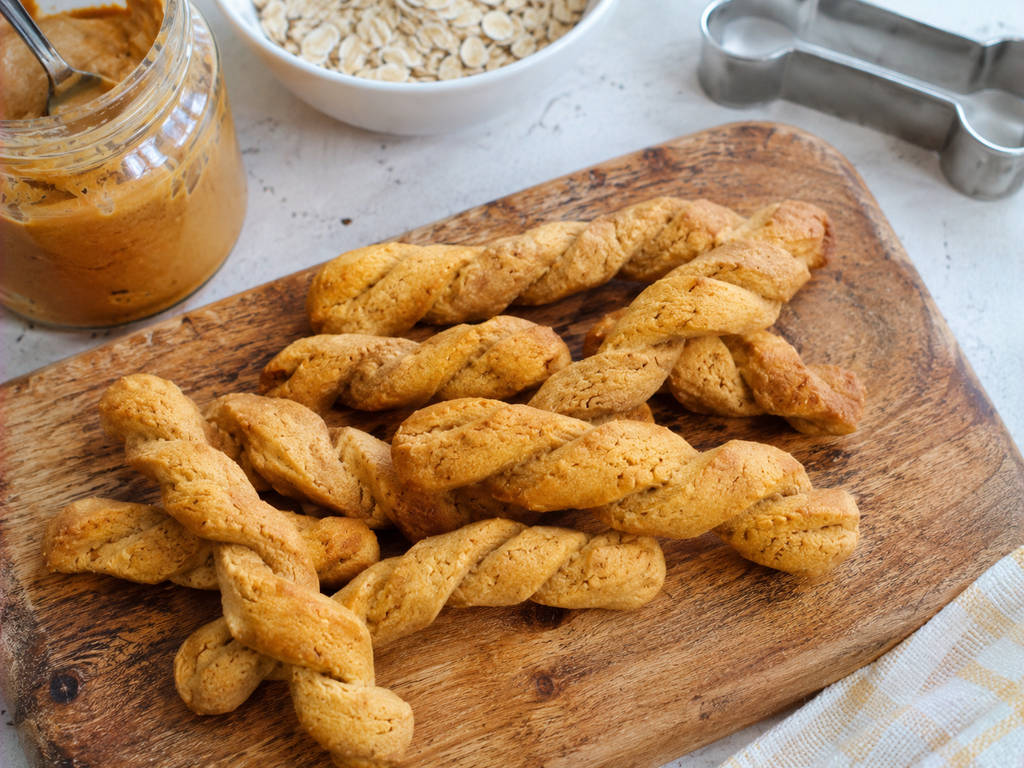
Looking for a fun homemade treat your dog will love? These Peanut Butter Dog Twists are made with simple ingredients and shaped into little twists before baking. They have a crunchy texture, a natural peanut butter flavor, and are easy to prepare at home.
You don’t need special baking equipment or complicated ingredients. Just mix the dough, shape the twists, and bake until firm.
Quick Answer
Peanut Butter Dog Twists are homemade baked treats made with oat flour, plain peanut butter, and an egg. The dough is rolled into thin ropes, twisted into shape, and baked until dry and crisp. Always use peanut butter without xylitol and serve these treats in moderation.
Recipe Details
| Detail | Information |
|---|---|
| Prep time | 15 minutes |
| Baking time | 25–30 minutes |
| Cooling time | 20 minutes |
| Total time | About 1 hour |
| Yield | 10–12 small twists |
| Difficulty | Easy |
Ingredients
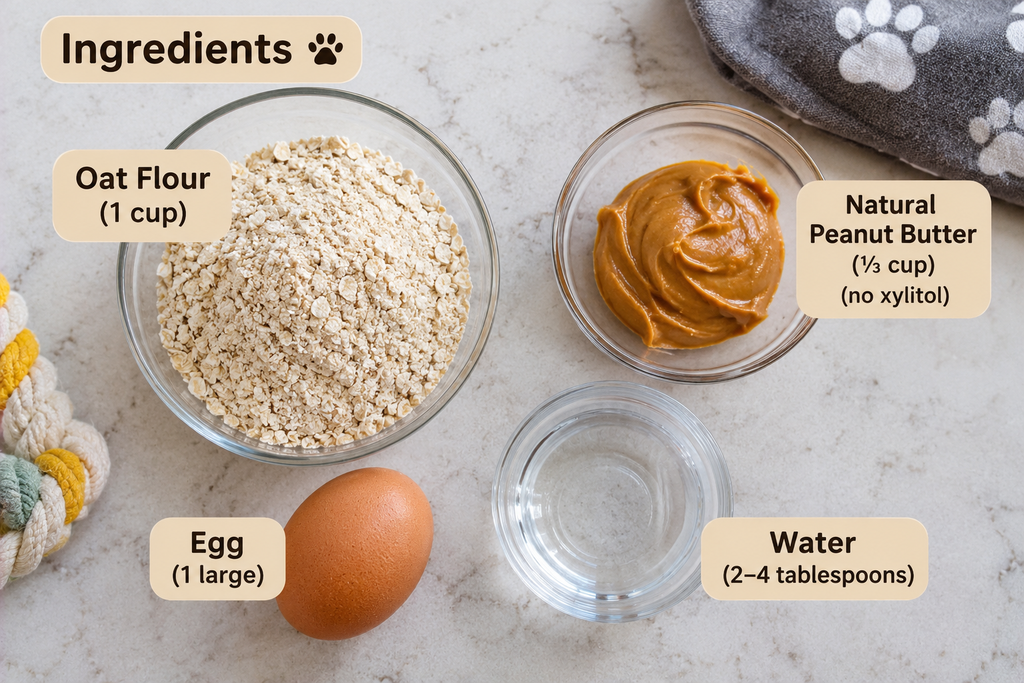
You only need four basic ingredients:
- 1 cup oat flour: Forms the base of the dough. Use plain, finely ground oats.
- ⅓ cup natural peanut butter: Choose unsalted peanut butter without xylitol or added sweeteners.
- 1 large egg: Helps bind the ingredients together.
- 2–4 tablespoons water: Add gradually to bring the dough together.
Choose plain ingredients without added salt, sugar, spices, or artificial sweeteners.
Step-by-Step Instructions
1. Prepare the oven
Preheat your oven to 325°F (165°C). Line a baking sheet with parchment paper to prevent the twists from sticking.
2. Mix the wet ingredients
Place the peanut butter and egg in a mixing bowl. Stir until the mixture is smooth and evenly combined.
3. Add the oat flour
Gradually add the oat flour, mixing as you go. The dough will begin to look thick and slightly crumbly.
Add water one tablespoon at a time until it forms a soft dough that holds together when pressed.
4. Knead the dough
Transfer the dough to a clean work surface. Knead gently for about 1–2 minutes until it becomes reasonably smooth.
If it feels too dry, add a little more water. If it is sticky, sprinkle in a small amount of oat flour.
5. Shape the twists
Divide the dough into 10–12 small portions.
Roll each portion into a thin rope, approximately 5–6 inches long. Fold the rope in half, then gently twist the two ends around each other. Press the ends together so the twist holds its shape.
Keep the twists fairly small and similar in thickness so they bake evenly.
6. Arrange on the baking sheet
Place the twists on your prepared baking sheet, leaving a little space between each one.
Check that the ends are securely pressed together before baking.
7. Bake
Bake for approximately 25–30 minutes, depending on the thickness of your twists.
They should feel firm and look lightly golden around the edges. If they are still soft in the middle, bake for a few additional minutes, checking regularly to prevent over-browning.
8. Cool completely
Remove the baking sheet from the oven and let the twists cool completely before serving.
They will become firmer as they cool. Avoid giving your dog a warm treat.
Peanut Butter Dog Treat Safety Tips
A few simple precautions help make these treats more suitable for your dog:
- Check for xylitol: Never use peanut butter containing xylitol, also called birch sugar. It is highly toxic to dogs.
- Choose plain peanut butter: Avoid varieties with chocolate, added sweeteners, or unnecessary flavorings.
- Keep portions small: Peanut butter is calorie-dense and contains fat, so these twists should be occasional treats.
- Consider allergies: Don’t serve peanut butter if your dog has a known peanut allergy or has been advised to avoid it.
- Introduce gradually: If your dog has never eaten these ingredients together, offer a small piece first and watch for digestive upset.
If your dog has pancreatitis, a sensitive digestive system, or a medical condition requiring a special diet, check with your veterinarian before offering these treats.
Serving Size and Storage
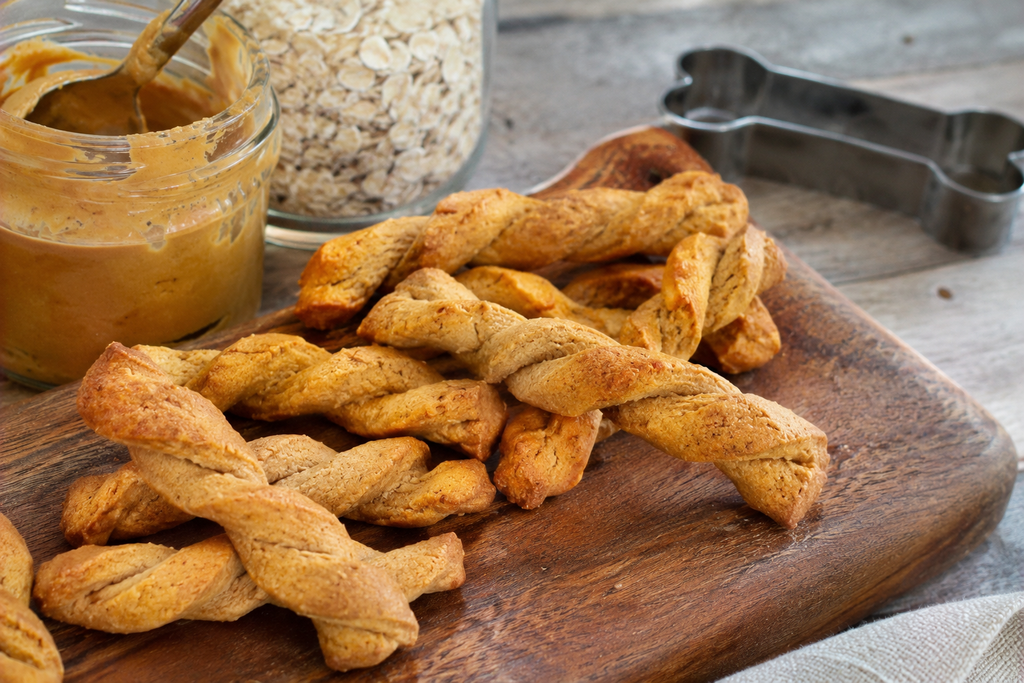
Break the twists into smaller pieces if necessary, especially for small dogs. The appropriate amount depends on your dog’s size, daily calorie needs, and other treats they receive.
Treats should generally account for no more than 10% of a dog’s daily calories.
Once completely cool, store the twists in an airtight container in a cool, dry place. For best quality, use within about 5–7 days. If they become soft, develop an unusual smell, or show signs of mold, discard them.
You can also freeze fully cooled twists in a freezer-safe container for up to 2 months for best quality. Thaw before serving.
Frequently Asked Questions
Can I use whole wheat flour instead of oat flour?
Yes. Plain whole wheat flour can be used as a substitute if your dog tolerates wheat. Add the water gradually because different flours absorb moisture differently.
Can I make these twists without eggs?
You can experiment with a small amount of unsweetened applesauce as a binder, but the dough may have a different texture and the twists may be more fragile.
Why is my dough falling apart?
The dough may be too dry. Add water a little at a time and knead gently until it holds together when pressed.
Can puppies eat peanut butter dog twists?
Puppies that are eating solid food may be able to enjoy a tiny piece if they tolerate the ingredients. Choose a soft, appropriately sized portion and ask your veterinarian if your puppy has dietary restrictions.
Can I make the twists extra crunchy?
You can bake them a little longer at a low temperature, checking frequently to avoid burning. Allow them to cool completely before judging their final texture.
Conclusion
These Peanut Butter Dog Twists are a simple homemade treat with an appealing twisted shape and a crunchy finish. With just a few ingredients and straightforward preparation, they’re a fun baking project for dog owners. Keep the portions small, check your peanut butter carefully, and let the treats cool before sharing them with your pup.
Editorial Note
This recipe is intended as an occasional treat for healthy dogs, not a complete or balanced meal. Ingredient tolerance varies between dogs, so introduce new treats in small amounts and consult your veterinarian if your dog has dietary or medical restrictions.