How to Stop a Puppy From Biting: Vet-Approved Training Guide
Trusted Pet Advice Team
UpdatedJuly 27, 2026
Quick Answer: To stop a puppy from biting, immediately end play whenever their teeth touch your skin, redirect them to an appropriate chew toy, and reward calm behavior. Puppy biting is a normal part of development, especially during teething and play, but consistent training teaches bite inhibition and helps puppies learn that human skin is never an acceptable chew toy.
Most puppies improve significantly with patient, daily practice. However, if your puppy’s biting becomes unusually intense, causes repeated injuries, or is accompanied by stiff body language, growling, or resource guarding, consult your veterinarian or a qualified positive-reinforcement trainer to rule out underlying behavioral or medical concerns.
Key Takeaways
Puppy biting is a normal developmental behavior used for play, exploration, and learning bite inhibition.
Consistently ending play and redirecting your puppy to a chew toy is one of the most effective ways to reduce biting.
Teething between 3 and 6 months of age often increases the urge to chew as adult teeth erupt.
Most playful biting is accompanied by relaxed body language, while stiff posture, hard staring, or repeated forceful bites may indicate a more serious behavioral issue.
Overtired or overstimulated puppies often bite more, so regular naps and predictable routines are an important part of training.
With patience, consistency, and positive reinforcement, most puppies learn to control their biting as they mature and develop better impulse control.
Why Do Puppies Bite?
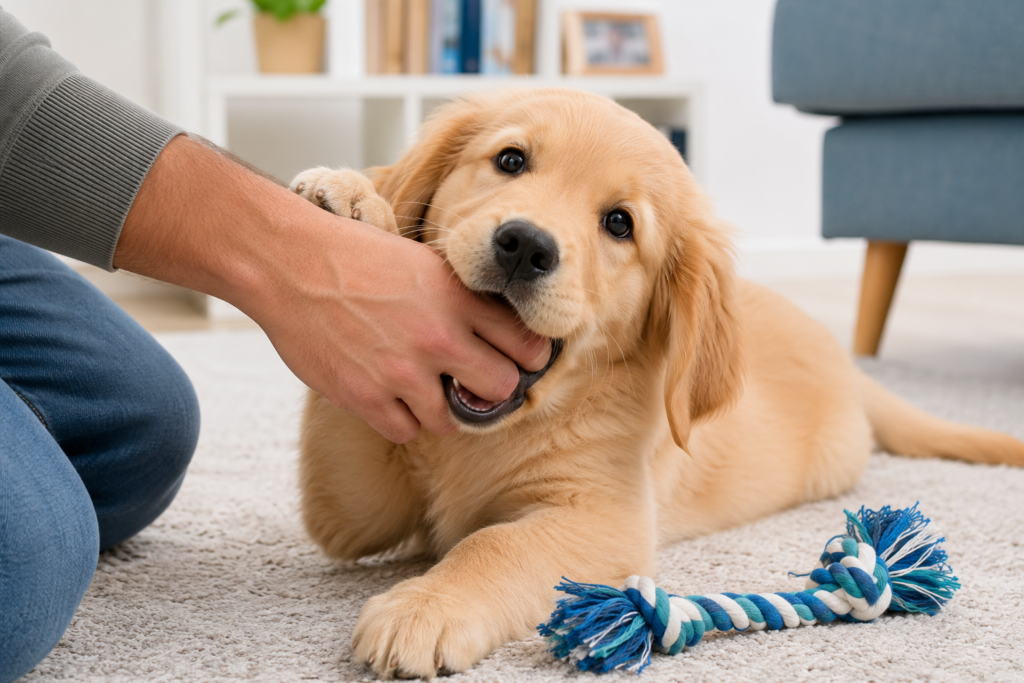
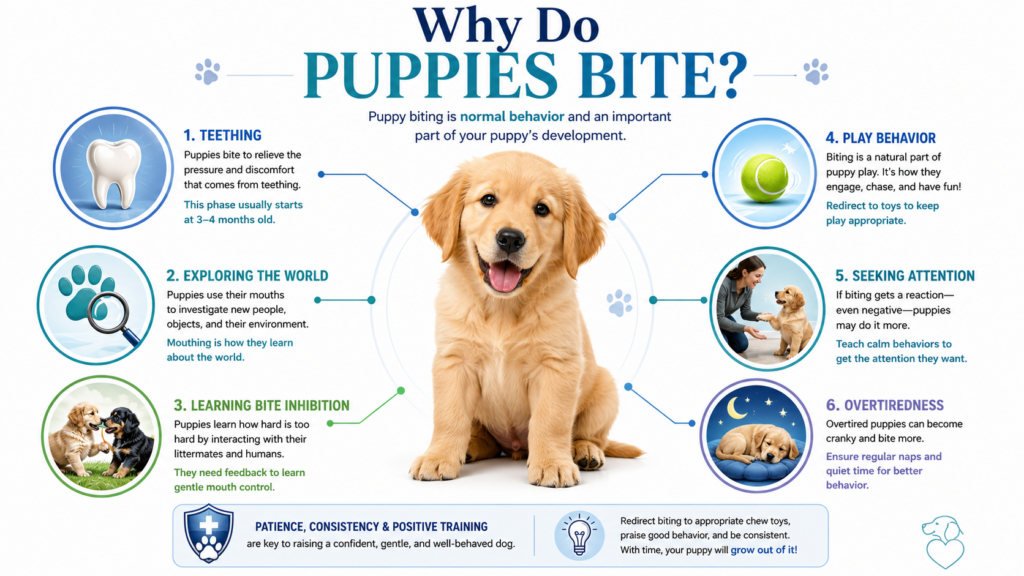
Puppy biting is a normal part of growing up. Puppies use their mouths to explore the world, interact with people and other animals, and learn how much pressure they can safely use during play. Unlike humans, who rely primarily on their hands, puppies use their mouths to investigate new objects, textures, and experiences.
One of the most important skills puppies develop is bite inhibition—the ability to control the force of their bite. While living with their littermates, puppies naturally learn this skill through play. If one puppy bites too hard, the other usually yelps and stops playing. This teaches the biting puppy that rough play has consequences.
When puppies join a new home, they continue practicing these behaviors with their human family. Since human skin is much more sensitive than fur, they need consistent guidance to learn that biting people immediately ends the fun.
Is Puppy Biting Normal?
Yes. Gentle mouthing and nipping are completely normal during the first few months of life. Puppies commonly bite because they are:
Exploring their environment
Learning bite inhibition
Playing with people or other pets
Seeking attention
Relieving discomfort from teething
Normal puppy biting is usually accompanied by loose, wiggly body language, a wagging tail, and playful behavior. While those sharp puppy teeth can hurt, this type of biting is rarely a sign of aggression.
At What Age Do Puppies Stop Biting?
Most puppies begin biting less between 3 and 5 months of age as they gain better impulse control and progress through teething. By 6 to 8 months, biting should decrease significantly if owners consistently reinforce appropriate behavior.
Some energetic breeds, including Border Collies, Australian Shepherds, and Jack Russell Terriers, may continue mouthing longer because they naturally enjoy interactive play and movement.
How Teething Affects Biting
Teething is one of the biggest reasons puppies chew and bite more frequently. As adult teeth replace baby teeth—typically between 3 and 6 months of age—the gums become sore and itchy, encouraging puppies to chew on almost anything they can find.
Common signs of teething include:
Increased chewing
Mild gum irritation
Drooling
Chewing furniture or household objects
Finding baby teeth around the home
You can help soothe sore gums by offering:
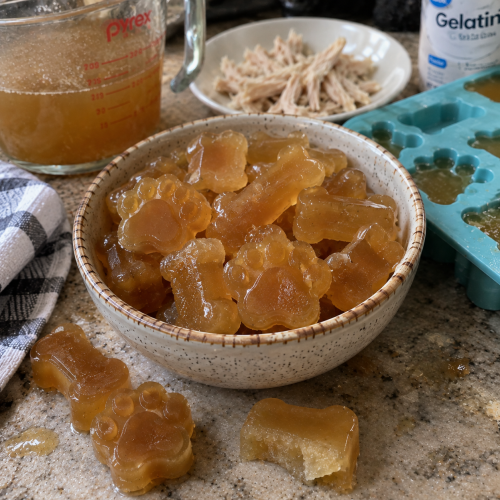
Frozen rubber chew toys
Chilled Kong toys filled with puppy-safe treats
Frozen damp washcloths (under supervision)
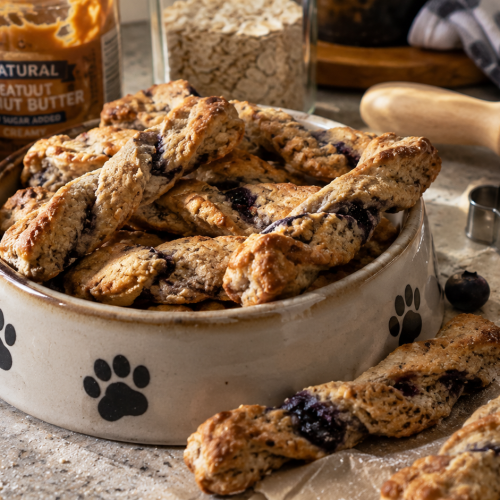
Durable puppy teething toys
Avoid cooked bones or objects that can splinter, as they may damage developing teeth or create a choking hazard.
🐾 Owner Tip: Puppies often become especially mouthy when they’re teething, tired, or overstimulated. Before assuming your puppy is being “naughty,” try offering a safe chew toy or giving them time for a nap.
Puppy Biting vs. Aggression
Most puppy biting is playful and harmless, but it’s important to recognize the difference between normal mouthing and behavior that may require professional attention.
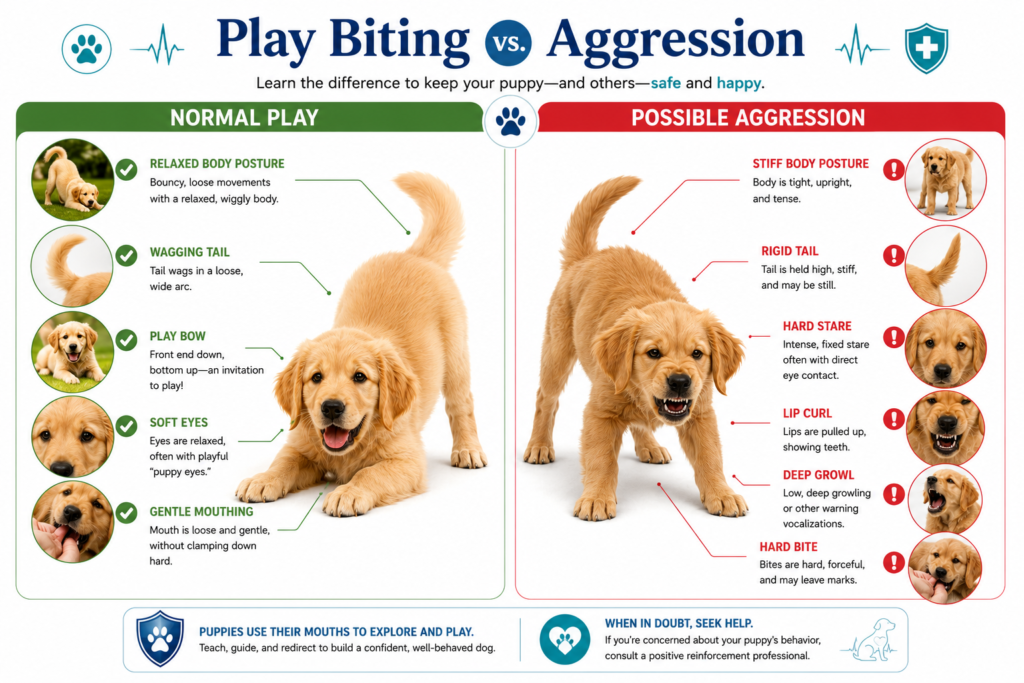
Playful puppies usually have loose, relaxed bodies, wagging tails, and frequently invite interaction with a play bow. Their bites are quick, playful, and not intended to injure.
Aggressive behavior is very different. Puppies showing aggression may become stiff, freeze before biting, stare intensely, curl their lips, growl deeply, or guard food, toys, or other valued items.
Puppy Bite Triage: Play vs. Aggression
Behavior
Normal Play
Possible Aggression
Body posture
Loose and bouncy
Stiff and rigid
Tail
Relaxed, wagging
Stiff or tucked
Eyes
Soft, blinking
Hard stare
Growling
Playful or excited
Deep, threatening
Bite
Gentle mouthing
Hard bite intended to injure
If your puppy repeatedly displays stiff body language, hard bites, resource guarding, or bites without obvious play signals, contact your veterinarian or a qualified behavior professional for guidance.
🩺 Vet Insight: Most puppies grow out of playful biting with consistent training, but aggressive behavior should never be dismissed as “just a phase.” Early intervention greatly improves long-term outcomes.
How to Stop a Puppy From Biting
Teaching bite inhibition takes patience and consistency. Every member of the household should respond the same way whenever the puppy bites.
Redirect to a Chew Toy
Keep an appropriate chew toy within reach during play. If your puppy starts biting your hands or clothing, calmly replace your hand with the toy and encourage them to chew on that instead.
End Play Immediately
If your puppy’s teeth touch your skin, stop interacting right away. Stand up, fold your arms, and ignore the puppy for 10 to 20 seconds. This teaches that biting makes the fun end.
Reward Calm Behavior
As soon as your puppy settles down or begins chewing an appropriate toy, reward them with praise, gentle attention, or a treat. Positive reinforcement encourages good choices.
Prevent Hand and Foot Biting
Avoid rough games that encourage your puppy to chase hands or feet. Children should be taught to stand still like a “tree” if the puppy begins nipping, since running often encourages chasing.
Choose the Right Chew Toys
Offer durable chew toys designed for puppies and rotate them regularly to maintain interest. Frozen toys can also provide relief for teething puppies.
Should You Yelp or Stay Quiet?
Some puppies respond well to a brief “Ouch!” because it resembles feedback from littermates. Others become more excited and bite harder. If yelping increases your puppy’s excitement, quietly end play instead and redirect them to a chew toy.
When Puppy Biting Becomes a Problem
Although most puppy biting is harmless, some situations require closer attention.
Puppy Bites That Draw Blood
Sharp puppy teeth can accidentally scratch or puncture skin during play. Wash any bite that breaks the skin with soap and water and monitor for redness, swelling, or other signs of infection. Seek medical advice if the wound becomes infected or is severe.
Biting That Gets Worse Instead of Better
If your puppy’s biting becomes more intense despite consistent training, they may be overtired, overstimulated, or receiving mixed signals. Young puppies need plenty of sleep—often 18 to 20 hours each day—and many become extra mouthy when they’re exhausted.
When to Call a Professional Trainer
Consult a qualified positive-reinforcement trainer if your puppy:
Frequently bites hard enough to bruise or draw blood
Doesn’t improve despite consistent training
Shows resource guarding
Makes family members feel unsafe
When to Contact Your Veterinarian
Schedule a veterinary evaluation if your puppy’s biting is accompanied by sudden behavior changes, signs of illness, persistent pain, or unusually aggressive behavior. Identifying underlying medical or behavioral issues early can prevent more serious problems later.
🐾 Owner Tip: Don’t wait for severe biting to become an established habit. Seeking professional guidance early is often the fastest way to help your puppy develop into a confident, well-mannered adult.
Common Mistakes to Avoid
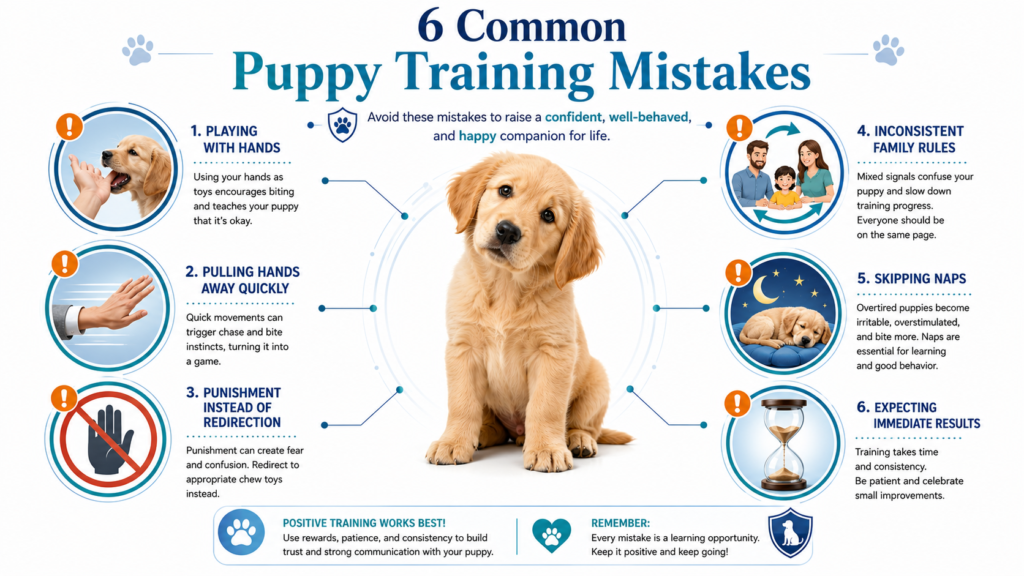
Training a puppy takes patience, and even well-meaning owners can accidentally reinforce biting. Avoiding these common mistakes will help your puppy learn bite inhibition more quickly and reduce frustration for everyone in the household.
Playing with Your Hands Instead of Toys
Allowing your puppy to chase, grab, or wrestle with your hands teaches them that human skin is an acceptable toy. Instead, use rope toys, tug toys, or other appropriate chew items during play.
Pulling Your Hand Away Too Quickly
Quick movements can trigger your puppy’s natural chase instinct, making them even more excited to bite. If your puppy grabs your hand, stay calm, end the interaction, and redirect them to a chew toy.
Punishing Instead of Redirecting
Yelling, hitting, or holding your puppy’s mouth shut can create fear and damage trust. Positive reinforcement and consistent redirection are far more effective for teaching appropriate behavior.
Inconsistent Rules
If one family member allows playful nipping while another discourages it, your puppy receives mixed messages. Make sure everyone follows the same training approach.
Skipping Naps
Young puppies need plenty of sleep—often 18 to 20 hours each day. Overtired puppies frequently become hyperactive, lose impulse control, and bite more than usual.
Expecting Immediate Results
Learning bite inhibition takes time. Most puppies improve gradually over several weeks of consistent training, so patience and repetition are essential.
🐾 Owner Tip: Focus on rewarding the behaviors you want to see rather than simply correcting unwanted behavior. Puppies learn faster when good choices are consistently reinforced.
Frequently Asked Questions
Can I use a muzzle to stop my puppy from biting?
No. A muzzle should never be used as a training tool or punishment for normal puppy biting. While a muzzle may be appropriate in specific situations under professional guidance, it does not teach bite inhibition. Redirecting your puppy to appropriate chew toys and consistently ending play when biting occurs are much more effective training methods.
Does bitter apple spray work?
Bitter apple spray can discourage puppies from chewing furniture or other household items, but it is not a substitute for training. Puppies still need appropriate chew toys and consistent redirection to learn what they are allowed to bite.
How long should a timeout be?
Keep timeouts brief—about 10 to 30 seconds. The goal is simply to show your puppy that biting immediately ends play, not to punish them. After the timeout, calmly resume interaction and reward appropriate behavior.
Why does my puppy bite me more than other people?
Puppies often bite the person who moves the most, plays the roughest, or spends the most time interacting with them. Consistent rules and using toys instead of hands during play can help reduce this behavior.
Should I hold my puppy’s mouth shut when they bite?
No. Holding your puppy’s mouth shut can create fear and defensive behavior without teaching them what you expect instead. Calmly ending play and redirecting them to a chew toy is a safer and more effective approach.
Are certain breeds more likely to bite?
Some high-energy breeds, particularly herding breeds and terriers, naturally use their mouths more during play because of the behaviors they were originally bred to perform. These puppies often benefit from additional mental stimulation, exercise, and consistent bite inhibition training.
Conclusion
Learning how to stop a puppy from biting requires patience, consistency, and realistic expectations. Mouthing and gentle nipping are normal parts of puppy development, but it’s important to teach bite inhibition early so your puppy learns that human skin is never an appropriate chew toy.
By redirecting your puppy to appropriate chew toys, ending play whenever biting occurs, rewarding calm behavior, and maintaining consistent rules, you’ll help them develop better self-control as they mature. Most puppies naturally bite less as they finish teething and gain experience interacting with people.
If your puppy’s biting becomes unusually intense, draws blood repeatedly, or is accompanied by stiff body language, resource guarding, or other signs of aggression, don’t hesitate to seek guidance from your veterinarian or a qualified positive-reinforcement trainer. Early intervention can prevent small behavior problems from becoming lifelong habits.
References
American Kennel Club (AKC). Puppy Training and Bite Inhibition.
American Veterinary Medical Association (AVMA). Dog Behavior and Puppy Socialization.
VCA Animal Hospitals. Puppy Teething and Chewing.
Merck Veterinary Manual. Behavior Problems in Dogs.
American College of Veterinary Behaviorists (ACVB). Behavior Resources for Dog Owners.
Every article published on Trusted Pet Advice is researched using authoritative veterinary resources, academic publications, and trusted animal health organizations. Our editorial team reviews content for clarity, accuracy, and usefulness before publication. While we strive to provide reliable information, our articles are intended for educational purposes and should not replace professional veterinary advice.
Medical Disclaimer
Trusted Pet Advice provides educational information to help pet owners make informed decisions. Our content is not written or reviewed by licensed veterinarians and should not be used as a substitute for professional veterinary diagnosis, treatment, or emergency care. If your pet is ill, injured, or showing concerning symptoms, contact a licensed veterinarian promptly.