

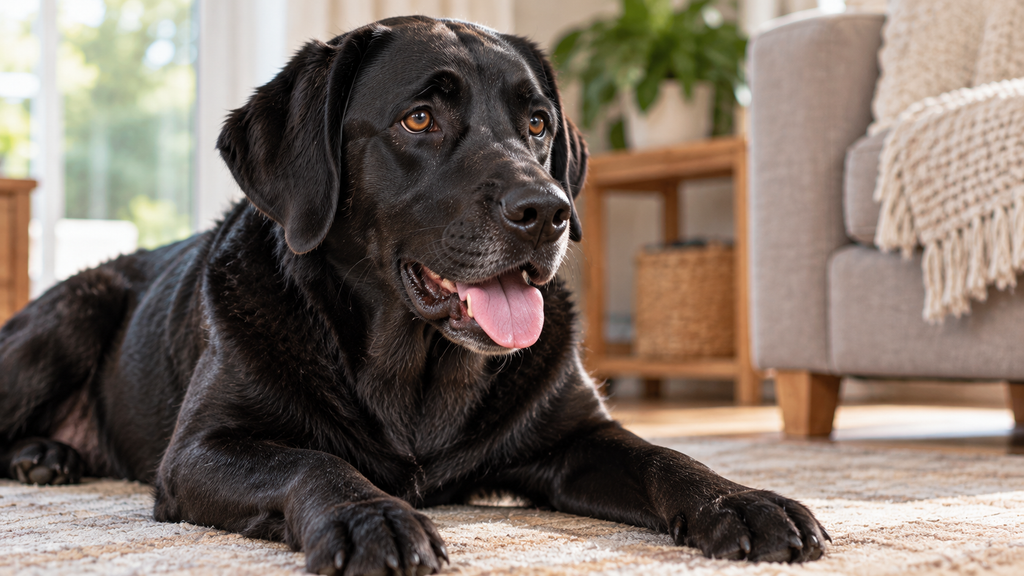
Quick Answer: Fast breathing in dogs can be normal after exercise, excitement, stress, or exposure to heat. However, fast breathing while resting or sleeping can signal a serious problem, including heart disease, lung disease, pain, fever, or heatstroke.
The most important clues are your dog’s breathing rate, how much effort breathing requires, how long it lasts, and whether other symptoms are present.
A resting breathing rate that stays above 35–40 breaths per minute deserves veterinary attention, particularly if it is unusual for your dog. If your dog is struggling to breathe, has blue or gray gums, or collapses, seek emergency veterinary care immediately.
Key Takeaways
- A typical resting breathing rate for dogs is approximately 10–35 breaths per minute, although individual rates vary.
- Panting after exercise, excitement, or heat is often normal if it settles with rest.
- Persistent fast breathing during rest or sleep deserves attention.
- Heart disease, respiratory problems, fever, pain, anemia, and heatstroke can cause rapid breathing.
- Blue, gray, or very pale gums, collapse, and obvious breathing difficulty are emergency signs.
- Puppies may breathe faster than adult dogs, while older dogs have a greater risk of certain heart and lung conditions.
- Count your dog’s breaths when relaxed or asleep to establish a normal baseline.
- Never delay emergency care to count breaths or wait for symptoms to improve if your dog is struggling to breathe.
What’s the Normal Breathing Rate for Dogs?
A healthy dog at rest typically breathes around 10–35 times per minute. The rate can change with activity, temperature, excitement, and sleep.
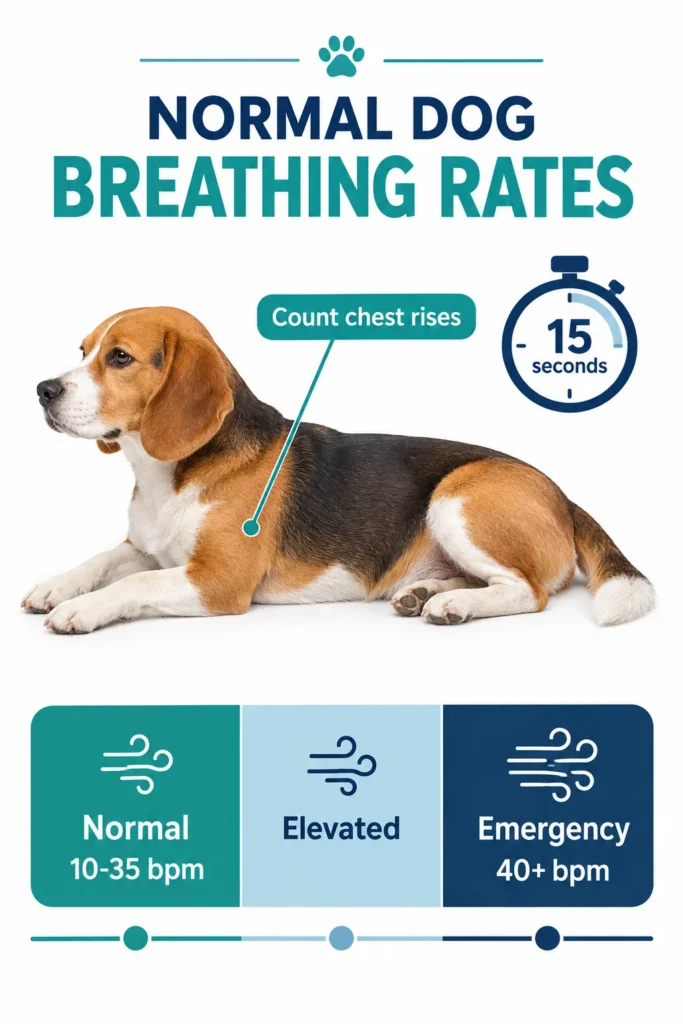
How to count your dog’s breaths
- Wait until your dog is sleeping or resting quietly in a comfortable environment.
- Watch the chest or abdomen rise and fall. One rise-and-fall cycle counts as one breath.
- Count for 30 seconds and multiply by two, or count for a full minute.
- Repeat the measurement when your dog is relaxed to see whether the rate is consistently elevated.
- Record the number, time, and any other symptoms so you can share them with your veterinarian.
How should you interpret the result?
- Below 35 breaths per minute: Often within the expected resting range if your dog is comfortable and behaving normally.
- Around 35–40 breaths per minute: Recheck when your dog is fully relaxed. If the rate remains elevated or is unusual for your dog, contact your vet.
- Persistently above 40 breaths per minute: Contact your veterinarian promptly, especially if your dog has known heart disease or other symptoms.
- Any rate accompanied by obvious breathing difficulty: Seek emergency veterinary care regardless of the number.
A single measurement is less useful than a consistent pattern. Your dog’s usual resting rate provides a helpful baseline, particularly if your dog has a diagnosed heart or lung condition.
What Causes Rapid Breathing in Dogs?
Rapid breathing has several possible causes, ranging from normal responses to potentially life-threatening conditions. The circumstances surrounding the breathing change are important.
Common causes
1. Exercise, excitement, and heat
Dogs breathe faster after running, playing, walking, or spending time in warm weather. Panting helps them release heat. The breathing rate should gradually settle as they cool down and rest.
2. Anxiety or stress
Thunderstorms, unfamiliar environments, car rides, and veterinary visits can trigger panting and rapid breathing. The pattern should improve once the dog feels safe and the stressful trigger has passed.
3. Heart disease
Heart problems can interfere with normal circulation and, in some cases, cause fluid to accumulate in the lungs. Dogs may breathe faster while resting or sleeping, become less active, cough, or struggle to breathe.
4. Respiratory and airway conditions
Pneumonia, airway obstruction, collapsing trachea, and other respiratory conditions can make breathing faster or more difficult. Flat-faced breeds may also experience airway-related breathing problems.
5. Heatstroke
Heatstroke is a medical emergency. Affected dogs may pant excessively, drool, become weak, vomit, develop abnormal gum color, or collapse.
6. Pain, fever, or infection
Pain and illness can increase breathing rate even when a dog has not exercised. Other signs may include trembling, reduced appetite, unusual tiredness, or changes in behavior.
7. Anemia or blood loss
When the blood cannot carry enough oxygen, the body may compensate by increasing breathing and heart rates. Weakness and pale gums may also occur.
8. Poisoning or toxic exposure
Some toxins affect the heart, lungs, or nervous system and can cause abnormal breathing. Suspected poisoning requires prompt veterinary advice.
Important: An open mouth does not automatically mean panting is harmless. If your dog is breathing rapidly while resting, using its abdominal muscles to breathe, or appearing distressed, take the situation seriously.
Is Fast Breathing in Dogs Normal or Serious?
The key difference is whether the breathing has an obvious, temporary trigger and returns to normal, or whether it continues at rest or appears difficult.
| More consistent with a normal response | More concerning |
|---|---|
| Starts after exercise, excitement, or heat | Starts unexpectedly during rest or sleep |
| Dog appears comfortable while panting | Dog appears anxious, distressed, or unable to settle |
| Breathing gradually slows with rest | Breathing remains fast or gets worse |
| Dog returns to normal behavior | Weakness, coughing, or reduced activity develops |
| Gums remain their usual healthy pink color | Gums become pale, blue, gray, or purple |
These are general clues, not a diagnosis. A dog can have a serious medical problem while still eating, wagging its tail, or behaving normally between episodes.
For this reason, monitor the actual resting breathing rate and pay attention to any change from your dog’s usual pattern.
When Should You Worry About Your Dog Breathing Fast?
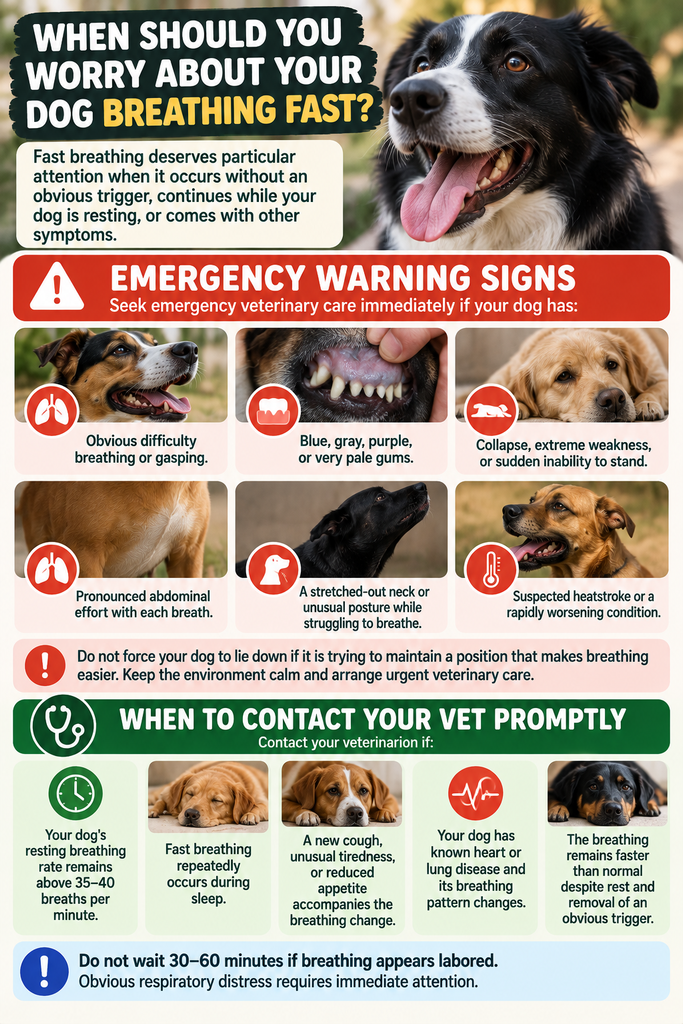
Fast breathing deserves particular attention when it occurs without an obvious trigger, continues while your dog is resting, or comes with other symptoms.
Emergency warning signs
Seek emergency veterinary care immediately if your dog has:
- Obvious difficulty breathing or gasping.
- Blue, gray, purple, or very pale gums.
- Collapse, extreme weakness, or sudden inability to stand.
- Pronounced abdominal effort with each breath.
- A stretched-out neck or unusual posture while struggling to breathe.
- Suspected heatstroke or a rapidly worsening condition.
Do not force your dog to lie down if it is trying to maintain a position that makes breathing easier. Keep the environment calm and arrange urgent veterinary care.
When to contact your vet promptly
Contact your veterinarian if:
- Your dog’s resting breathing rate remains above approximately 35–40 breaths per minute.
- Fast breathing repeatedly occurs during sleep.
- A new cough, unusual tiredness, or reduced appetite accompanies the breathing change.
- Your dog has known heart or lung disease and its breathing pattern changes.
- The breathing remains faster than normal despite rest and removal of an obvious trigger.
Do not wait 30–60 minutes if breathing appears labored. Obvious respiratory distress requires immediate attention.
Can Anxiety or Exercise Cause Fast Breathing in Dogs?
Yes. Exercise and anxiety are common reasons dogs breathe faster than usual.
During exercise, muscles need more oxygen, and panting helps dogs regulate body temperature. Anxiety can also trigger rapid breathing as part of the body’s stress response.
How to tell whether recovery is normal
- After exercise: Breathing should gradually slow as your dog rests in a cool environment.
- After excitement: Breathing should settle as your dog becomes calm.
- After a stressful event: The rate should improve when the trigger is removed and your dog feels safe.
- If breathing does not settle: Consider heat stress, pain, or an underlying medical problem and contact your vet.
For example, a dog that pants after chasing a ball and then returns to comfortable breathing is showing a common exercise response. A dog that remains restless and breathes rapidly long after activity has stopped needs closer attention.
Fast Breathing in Dogs at Night: What Does It Mean?
Fast breathing during sleep can occur during dreaming. Dogs may twitch their paws, move their faces, whimper, or breathe irregularly for short periods during active sleep.
However, persistent rapid breathing while sleeping can be an early sign of heart or lung disease, particularly in older dogs and dogs with known heart problems.
What to look for
More consistent with dreaming:
- Brief episodes of faster breathing.
- Paw movements, twitching, or small noises during sleep.
- Comfortable, normal breathing after waking.
More concerning:
- Rapid breathing that continues while the dog is deeply relaxed.
- Noticeable effort with each breath.
- Repeated nighttime coughing.
- Restlessness or difficulty finding a comfortable sleeping position.
- A consistently elevated sleeping breathing rate.
If your dog repeatedly breathes faster than usual during sleep, record the rate and contact your vet. If breathing is labored, seek emergency care rather than waiting until morning.
Fever and Rapid Breathing in Dogs
Fever can increase a dog’s breathing rate, but rapid breathing alone does not confirm that a fever is present.
A dog with a fever may also seem tired, eat less, shiver, or behave differently from normal. These signs can occur with infections and other illnesses.
A dog’s typical body temperature is approximately 101–102.5°F (38.3–39.2°C). A temperature above the normal range needs to be interpreted alongside the dog’s symptoms and circumstances.
If you suspect fever, contact your veterinarian for advice on checking your dog’s temperature safely. Do not rely on warm ears or a warm nose to diagnose fever, and never give human fever medication unless specifically directed by a veterinarian.
Fast breathing accompanied by weakness, repeated vomiting, severe lethargy, or obvious breathing difficulty warrants prompt veterinary attention.
Fast Breathing in Older Dogs vs. Puppies
Age can influence both normal breathing patterns and the likelihood of certain medical problems.
Puppies
Puppies may breathe faster than adult dogs, especially after play or excitement. Their energy levels and developing bodies can contribute to temporary changes in breathing.
However, rapid breathing should not automatically be attributed to age. Seek veterinary advice if a puppy has persistent fast breathing, unusual tiredness, vomiting, diarrhea, or difficulty breathing.
Senior dogs
Older dogs are more likely to develop conditions such as heart disease, chronic respiratory problems, and painful joint conditions that may affect breathing.
Pay attention to new changes, including:
- Faster breathing while asleep.
- Reduced tolerance for walks or play.
- A new or persistent cough.
- Restlessness at night.
- Unusual fatigue or weakness.
A new, unexplained increase in resting breathing rate in an older dog deserves veterinary assessment, particularly if the dog has a heart murmur or a known heart condition.
Fast Breathing in Dogs After Eating
Some dogs breathe faster briefly after eating because of excitement, activity, or stress. However, rapid breathing accompanied by abdominal swelling or repeated unsuccessful attempts to vomit may indicate bloat, also known as gastric dilatation-volvulus (GDV).
Bloat is a life-threatening emergency that can progress quickly, particularly in large, deep-chested dogs.
Warning signs after eating
- A visibly swollen or tight abdomen.
- Repeated retching without bringing anything up.
- Pacing, restlessness, or obvious discomfort.
- Excessive drooling.
- Weakness or collapse.
If these signs occur together, seek emergency veterinary care immediately. Do not wait to see whether your dog improves or try home remedies.
If your dog regularly breathes rapidly after meals without these emergency signs, discuss the pattern with your veterinarian.
How to Help a Dog That’s Breathing Fast
The safest response depends on whether your dog is simply panting after activity or showing signs of respiratory distress.
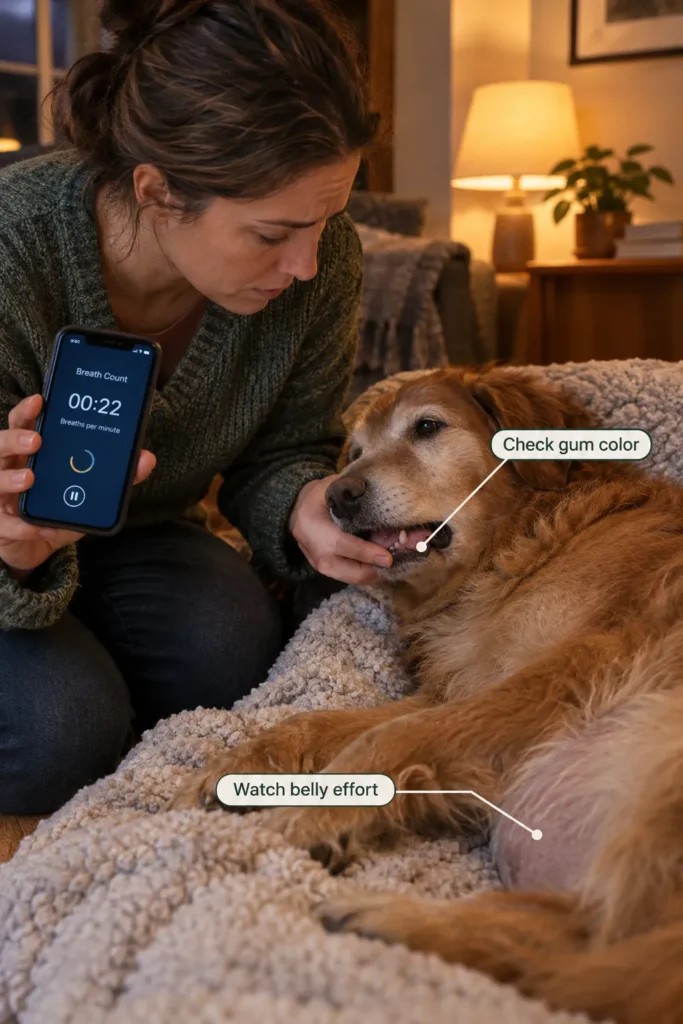
If your dog is panting after exercise or excitement
- Stop the activity and move your dog to a cool, quiet area.
- Allow your dog to rest without further exertion.
- Offer access to fresh water, but do not force drinking.
- Observe whether breathing gradually returns to normal.
- Record the breathing rate once your dog is resting quietly.
- Contact your veterinarian if breathing remains unusually fast or other symptoms appear.
If your dog appears to be struggling to breathe
- Seek emergency veterinary care immediately.
- Keep your dog as calm as possible and minimize movement.
- Allow your dog to remain in the position that makes breathing easiest.
- Avoid putting anything in your dog’s mouth or forcing food, water, or medication.
- Call the emergency clinic while arranging transport, if possible.
Do not spend time repeatedly checking gum color or counting breaths when your dog is visibly struggling. Getting veterinary help is the priority.
Should I Take My Dog to the Vet for Fast Breathing?
Yes, if the breathing is persistently elevated at rest, unexplained, recurring, or accompanied by other symptoms. The urgency depends on the pattern and your dog’s overall condition.
| What you observe | Recommended action |
|---|---|
| Brief panting after exercise that settles with rest | Monitor if your dog otherwise seems well |
| Resting rate consistently above approximately 35–40 breaths per minute | Contact your vet promptly |
| Repeated fast breathing during sleep | Arrange veterinary assessment |
| Fast breathing with coughing, weakness, or appetite changes | Seek prompt veterinary advice |
| Labored breathing, blue or gray gums, or collapse | Emergency veterinary care immediately |
A normal-looking dog can still have an early heart or lung problem. If your dog’s resting breathing rate is consistently increasing, share your measurements with your veterinarian rather than relying on appearance alone.
Frequently Asked Questions
What is considered a fast breathing rate for a dog?
A resting rate above approximately 35–40 breaths per minute is generally worth checking, especially if it persists or is unusual for your dog. Breathing effort and accompanying symptoms matter more than a single number.
Can stress alone make a dog breathe fast?
Yes. Anxiety and excitement can temporarily increase breathing rate. The rate should improve as your dog becomes calm. Persistent or labored breathing should not be assumed to be stress.
Is it normal for dogs to breathe fast while sleeping?
Brief changes during dreaming can be normal. Consistently rapid breathing during sleep, particularly in older dogs, warrants veterinary advice.
Does fast breathing always mean heart disease?
No. Exercise, heat, anxiety, pain, fever, anemia, and respiratory conditions can also cause rapid breathing. A veterinarian can help identify the underlying cause.
How many breaths per minute is an emergency in dogs?
There is no single breathing-rate number that defines every emergency. A persistent resting rate above approximately 35–40 breaths per minute deserves veterinary attention, but obvious breathing difficulty, blue or gray gums, or collapse requires emergency care regardless of the count.
Can puppies breathe faster than adult dogs?
Yes, puppies may breathe faster, especially after activity. Persistent rapid breathing or breathing changes accompanied by weakness, vomiting, diarrhea, or distress should be assessed by a veterinarian.
Should I worry if my senior dog breathes fast after climbing stairs?
Brief faster breathing after exertion may be normal, but recovery should be comfortable and progressive. If your senior dog develops a new pattern of rapid breathing, tires more easily, or struggles to recover, arrange a veterinary check.
What should I do first if my dog is breathing fast?
If your dog is comfortable and has just exercised, stop the activity, move to a cool area, and observe recovery. If your dog is struggling to breathe, has abnormal gum color, or collapses, seek emergency care immediately.
Conclusion
Fast breathing in dogs can be a normal response to exercise, heat, or excitement, but it can also signal a medical problem. The most useful clues are when the breathing happens, whether it settles with rest, how much effort it takes, and whether other symptoms are present.
Count your dog’s resting breaths when it is healthy, so you have a baseline for comparison. If the rate remains elevated or repeatedly changes, contact your veterinarian. If your dog is struggling to breathe, has blue or gray gums, or collapses, do not wait—seek emergency care immediately.
Editorial Note
This article is intended for general educational purposes and does not replace veterinary diagnosis or treatment. Breathing problems can worsen quickly. If your dog shows signs of respiratory distress, seek emergency veterinary care.
References
- Tufts University — Difficulty Breathing (Dyspnea)
https://vet.tufts.edu/foster-hospital-small-animals/specialty-services/cardiology/heartsmart/heart-disease-symptoms/difficulty-breathing-dyspnea - PetMD — Dog Breathing Heavy
https://www.petmd.com/dog/symptoms/dog-breathing-heavy - GoodRx — Why Is My Dog Breathing Fast?
https://www.goodrx.com/pet-health/dog/why-is-my-dog-breathing-fast - Cornell University College of Veterinary Medicine — Recognizing and Responding to Canine Respiratory Distress
https://www.vet.cornell.edu/departments-centers-and-institutes/riney-canine-health-center/canine-health-topics/recognizing-and-responding-canine-respiratory-distress - American Animal Hospital Association — Respiratory Distress
https://www.aaha.org/trends-magazine/january-2023/cc-respiratory-distress/ - Oakwood Animal Hospital — Dog Breathing Fast
https://www.oakwoodanimalhospital.com/resources/blog/dog-breathing-fast/ - VCA Animal Hospitals — Home Breathing Rate Evaluation
https://vcahospitals.com/know-your-pet/home-breathing-rate-evaluation - Veterinary Emergency Group — Dog Difficulty Breathing
https://www.veg.com/post/dog-difficulty-breathing - WebVet — Labored Breathing
https://www.webvet.com/symptom-checker/dog/labored-breathing/