

Quick Answer
Can Dogs Eat Sausage? Dogs can eat sausage only in rare, tiny, plain amounts, and it’s not something vets recommend as a regular treat. Sausage is high in fat, salt, and often contains garlic, onion, or spice blends that can harm dogs. For most dogs, especially puppies, small breeds, or dogs with health issues, sausage should be avoided entirely.
Key Takeaways
- Sausage is not toxic in small amounts, but it’s risky and offers little nutritional benefit for dogs.
- High fat content is the biggest concern, linked to pancreatitis, a painful and sometimes serious condition.
- Salt and processed meat additives can strain the kidneys and cardiovascular system over time.
- Garlic and onion seasoning found in many sausages is genuinely toxic to dogs, even in small doses.
- Raw or undercooked sausage carries bacterial and parasitic infection risks.
- Puppies and dogs with medical conditions should skip sausage completely.
- Plain, fully cooked, unseasoned sausage in a tiny piece is the safest version, if given at all.
- Better protein alternatives exist that give dogs the same joy without the risk.
Is Sausage Safe for Dogs to Eat?
Sausage is not considered safe as a regular food for dogs, though a small, plain, fully cooked piece is unlikely to cause harm for most healthy adult dogs. The general consensus among vets is that sausage falls into a “not recommended” category rather than an outright toxic one [1][5].
The safety of sausage depends heavily on three factors:
- Ingredients, plain pork or chicken sausage is safer than seasoned varieties.
- Fat content, leaner sausage is less likely to trigger digestive upset.
- Portion size, a thin slice is very different from a whole link.
Decision rule: choose a tiny, plain, fully cooked piece only if your dog is a healthy adult with no history of pancreatitis, obesity, or kidney issues. Skip it entirely for everyone else.
Sausage Safety Checker
🌭 Sausage Safety Checker for Dogs
What Happens if a Dog Eats Sausage?
Most dogs that eat a small piece of sausage show no symptoms at all, but larger amounts or seasoned sausage can cause vomiting, diarrhea, or stomach pain within a few hours [10]. The reaction depends on the dog’s size, the sausage type, and how much was eaten.
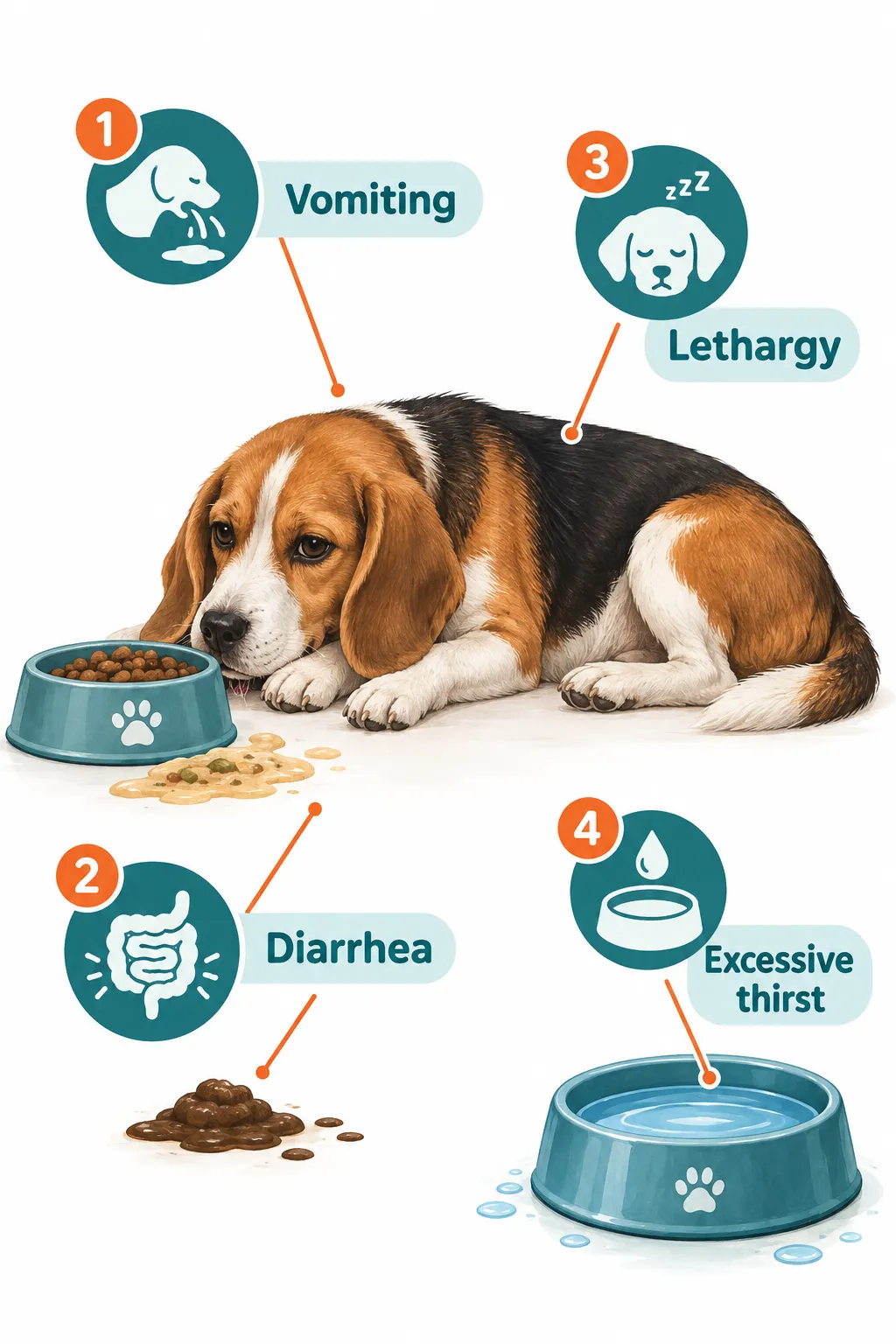
Common short-term effects include:
- Mild digestive upset: loose stool or vomiting from fat and spices.
- Excessive thirst: a response to high sodium content.
- Lethargy or bloating: signs the stomach is struggling to process rich food.
- Pancreatitis symptoms: severe abdominal pain, repeated vomiting, and a hunched posture, this requires urgent veterinary care [1][9].
Edge case: if a dog eats an entire sausage link, especially one with garlic or onion seasoning, contact a vet promptly even if symptoms haven’t started yet. Garlic toxicity can take 24-48 hours to show up fully.
How Much Sausage Can a Dog Have?
A healthy adult dog can tolerate a small bite of plain, cooked sausage, roughly a dime-sized piece for small dogs or a few small chunks for large dogs, but this should happen rarely, not as a routine treat [4][6]. There’s no official “safe daily amount” because sausage isn’t a recommended food group in the first place.
A simple guide:
| Dog size | Occasional max (plain, cooked) | Frequency |
|---|---|---|
| Small (under 20 lbs) | 1 small bite | Once every few weeks |
| Medium (20-50 lbs) | 1-2 small bites | Once every few weeks |
| Large (50+ lbs) | 2-3 small bites | Once every few weeks |
How often can dogs eat sausage? Rarely, think “special occasion,” not weekly habit. Repeated exposure to high fat and sodium adds up over time and increases long-term risk to the kidneys and pancreas [9].
Types of Sausage That Are Safe for Dogs
The safest sausage for dogs is plain, unseasoned, fully cooked pork or chicken sausage with no garlic, onion, or heavy spice blend [2][7]. Flavored, smoked, or cured varieties should be avoided entirely.
Lower-risk options, in order of preference:
- Plain cooked chicken or turkey sausage with no added seasoning.
- Plain cooked pork sausage with fat trimmed.
- Homemade sausage-style patties made with just meat, no salt or spice packets.
Higher-risk types to always avoid: chorizo, Italian sausage, breakfast links with sage and nutmeg blends, smoked sausage, and anything cured like salami or pepperoni.
Can Dogs Eat Cooked Sausage or Raw Sausage?
Cooked sausage is always safer than raw sausage for dogs. Raw sausage carries a real risk of bacterial infection from Salmonella or E. coli, along with parasites that cooking normally destroys [1][8].
- Cooked sausage: Must be fully cooked through with no pink in the center, and cooled before offering a small piece.
- Raw sausage: Should never be given intentionally. If a dog grabs raw sausage off a counter, monitor closely for vomiting, diarrhea, or fever over the next 24-48 hours.
Common mistake: assuming “just a little raw meat” is fine because dogs are carnivores at heart. Commercial raw sausage is seasoned and processed differently than raw whole cuts, which changes the risk profile considerably.
Sausage vs Other Meat Treats for Dogs
Sausage ranks near the bottom of meat-based treats for dogs because of its fat, salt, and additive load compared to plain cooked meats [3][9].
| Treat | Fat level | Sodium | Seasoning risk | Vet-recommended frequency |
|---|---|---|---|---|
| Sausage | High | High | High | Rare, tiny amounts only |
| Plain boiled chicken | Low | Low | None | Regular, in moderation |
| Lean cooked turkey | Low | Low | None | Regular, in moderation |
| Hot dogs/bologna | High | Very high | Moderate | Avoid as a staple |
For dogs that love meaty flavor, lean cuts explored in guides like can dogs eat lamb or can dogs eat bologna offer useful comparisons for why processed meats sit in a different risk category than fresh protein.
Sausage Seasoning Toxins: Garlic, Onion, and Spices
Garlic and onion, two common sausage seasonings, are toxic to dogs and are a primary reason most sausages should be avoided entirely [1][9]. These ingredients damage red blood cells and can cause a dangerous type of anemia even in small cumulative doses.
Other seasoning concerns:
- Nutmeg: toxic in large amounts, common in breakfast sausage.
- Excess black pepper or chili: can irritate the digestive tract.
- Sage: generally low risk but adds to the overall spice load.
Quick example: a breakfast sausage patty seasoned with onion powder and sage looks harmless but combines two separate risk factors, toxic onion compounds plus high fat, in one bite. For more on this specific hazard, see can dogs eat onions.
Can Puppies Eat Sausage?
Puppies should not eat sausage at all. Their digestive systems are more sensitive to fat and sodium, and their smaller body size means even a modest piece of sausage represents a much larger relative dose than it would for an adult dog [4][8].
- Puppies are at higher risk for pancreatitis from fatty foods.
- A puppy’s kidneys are still developing and handle excess sodium poorly.
- Any garlic or onion exposure poses a proportionally greater toxicity risk.
Decision rule: if the dog is under 12 months old, skip sausage entirely and offer a plain cooked protein instead, like options discussed in guides on what can dogs eat.
Is Sausage Casing Safe for Dogs?
Sausage casing is generally not recommended for dogs, especially natural intestine-based casings, because it’s tough, hard to digest, and can contribute to choking or blockage risk [5][6]. Synthetic casings carry similar digestive concerns.
- Natural casing: can be chewy and difficult to break down, raising blockage risk in small dogs.
- Synthetic/plastic casing: should always be removed before cooking, as it won’t digest at all.
- Rule of thumb: remove all casing before offering even a small piece of sausage to a dog.
Why Is Sausage Bad for Dogs?
Sausage is considered a poor choice for dogs mainly because it combines high fat, high sodium, and processed additives in one food, none of which support canine health [1][9]. It’s grouped alongside other processed meats, like hot dogs and liver sausage, that experts increasingly discourage as everyday foods for pets.
- Pancreatitis risk: fat overload is the leading concern highlighted in 2026 feeding guidance [9].
- Cardiovascular and kidney strain: sodium and preservatives add up with repeated feeding.
- No real nutritional upside: sausage doesn’t offer vitamins or minerals dogs can’t get more safely elsewhere.
The emerging practical rule from current veterinary guidance: treat sausage as an occasional human food, not a pet food, and never as a primary protein source [9][10].
Best Sausage Alternatives for Dogs
The best sausage alternatives for dogs are plain, lean, cooked proteins with no added salt or seasoning, such as boiled chicken, turkey, or lean beef [3][7]. These deliver the same meaty satisfaction without the fat and sodium load.
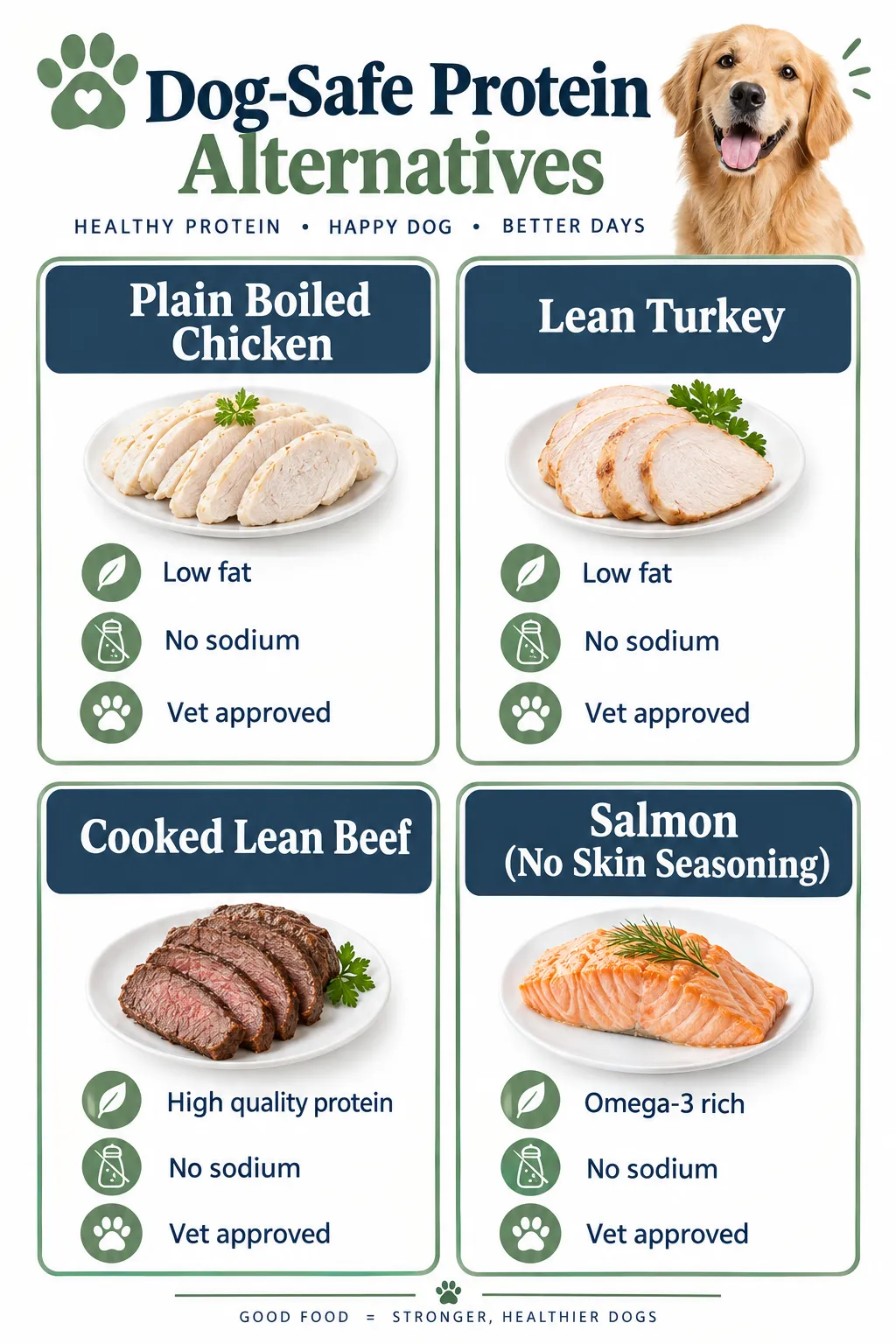
Good swaps to try:
- Plain boiled chicken breast, shredded into small pieces.
- Lean cooked turkey, unseasoned.
- Small portions of cooked lean beef, fat trimmed.
- Salmon without skin or seasoning (see can dogs eat salmon skin for prep details).
For broader guidance on which human foods are safe day to day, the can dogs eat human food guide is a useful companion resource, and owners managing salty snacks around the house may also want to review can dogs eat potato chips.
Frequently Asked Questions
Can dogs eat sausage every day? No. Daily sausage feeding raises the risk of pancreatitis, obesity, and kidney strain due to consistent high fat and sodium intake.
Can dogs eat sausage links from breakfast? Breakfast sausage links often contain onion, nutmeg, or sage seasoning, making them one of the riskier sausage types to offer a dog.
What if my dog ate a whole sausage by accident? Monitor for vomiting, diarrhea, or lethargy over 24-48 hours, and call a vet immediately if the sausage contained garlic, onion, or heavy seasoning.
Is turkey sausage safer than pork sausage for dogs? Plain turkey sausage is generally slightly leaner than pork sausage, but both should be unseasoned and given only in tiny, rare amounts.
Can dogs eat vegan or plant-based sausage? Plant-based sausages often still contain onion, garlic, or high sodium, so they carry similar risks and aren’t automatically safer.
Can sausage cause long-term health problems in dogs? Yes. Repeated feeding can contribute to obesity, pancreatitis flare-ups, and added strain on the kidneys and heart over time.
Should dogs with pancreatitis history ever eat sausage? No. Dogs with a history of pancreatitis should avoid sausage completely, as fat is the main trigger for flare-ups.
Conclusion
So, can dogs eat sausage? Technically yes, in rare and tiny amounts, but it’s not a food worth building into a dog’s regular diet. The fat, sodium, and seasoning risks outweigh any benefit, and safer alternatives like plain chicken or turkey give dogs the same enjoyment without the downside. Puppies, small breeds, and dogs with existing health conditions should skip sausage entirely.
Next steps for owners:
- Check ingredient labels before sharing any sausage, and skip anything with garlic or onion.
- Keep portions tiny and infrequent, reserved for special occasions only.
- Watch for vomiting, diarrhea, or lethargy after any accidental ingestion.
- Call a vet right away if a dog eats seasoned sausage or shows signs of abdominal pain.
- Build daily treats around lean, plain proteins instead of processed meats.
References
[1] Can Dogs Eat Sausage – https://www.petmd.com/dog/nutrition/can-dogs-eat-sausage [2] Can Dogs Eat Sausage – https://www.greenmatters.com/pets/can-dogs-eat-sausage [3] Can Dogs Eat Sausages – https://www.dogster.com/dog-nutrition/can-dogs-eat-sausages/ [4] Can Dogs Eat Sausage 2 – https://www.petscare.com/news/faq/can-dogs-eat-sausage-2 [5] Sausage – https://www.dogsafer.com/foods/sausage [6] Can Dogs Eat Sausage – https://spectrumcare.pet/dogs/nutrition/can-dogs-eat-sausage [7] Can Dogs Eat Sausages – https://www.purepetfood.com/help/can-dogs-eat-sausages [8] Can Dogs Eat Sausage – https://www.dogsafer.com/resources/can-dogs-eat-sausage [9] What Three Meats Should Dogs Avoid Every Day 3 – https://www.petscare.com/news/faq/what-three-meats-should-dogs-avoid-every-day-3 [10] Dog Ate Sausage 6441 – https://www.dialavet.com/ask-a-vet/dog-ate-sausage-6441