

Quick Answer
Yes, dogs can eat parsley in small amounts, and most veterinary sources consider fresh garden parsley (curly or flat-leaf) safe as an occasional addition to meals [1][2]. The catch: one specific type, spring parsley, is classified as toxic to pets, and the two are easy to confuse at a garden center or farmers market [10][6]. Stick to culinary parsley in small pinches, and skip concentrated oils or supplements.
Key Takeaways
- Garden parsley is generally safe for dogs in small, occasional amounts [1][2].
- Spring parsley is toxic and should never be fed to pets [10][6].
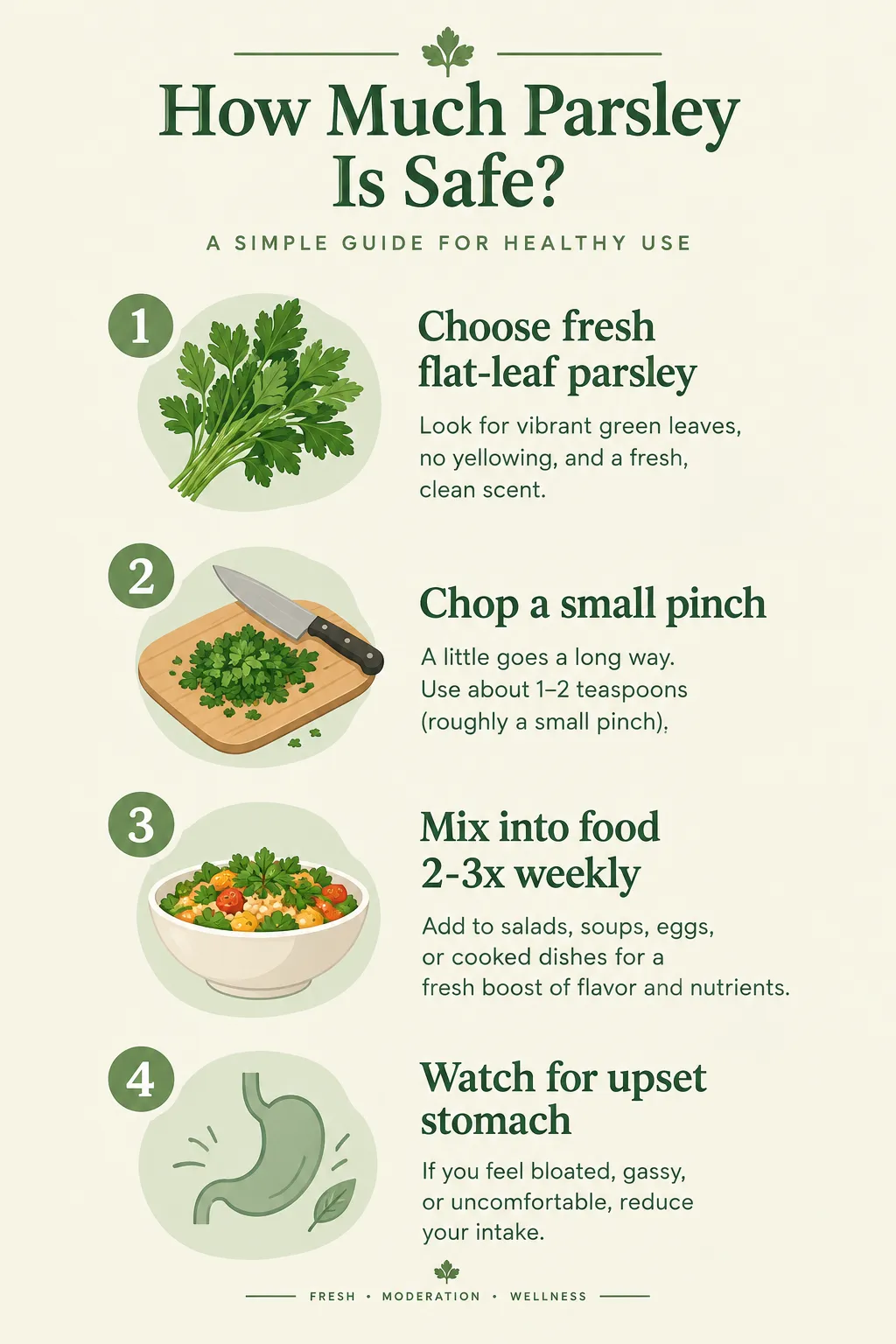
- A small pinch (roughly ¼ to 1 teaspoon, fresh, chopped) mixed into food a few times a week is the typical guideline for an average-sized dog [3][4].
- Too much parsley can cause digestive upset, including vomiting or diarrhea [1][8].
- Dogs with kidney disease should avoid regular parsley because of its oxalate content [7][3].
- Flat-leaf parsley is easier to digest than curly parsley for most dogs [6][8].
- Parsley does not replace dental care, but it can help mask mild mouth odor temporarily [2][8].
- Puppies can have tiny tastes once eating solid food, but portions should be smaller than for adult dogs [3][4].
Can Dogs Eat Parsley Safely?
Yes, dogs can eat parsley safely when it’s fresh garden parsley given in small amounts, not the toxic spring parsley variety [1][10]. Culinary parsley (the kind sold in grocery stores) contains vitamins A, C, and K along with antioxidants, and it’s recognized by major pet health resources as non-toxic for dogs in moderation [2][9].
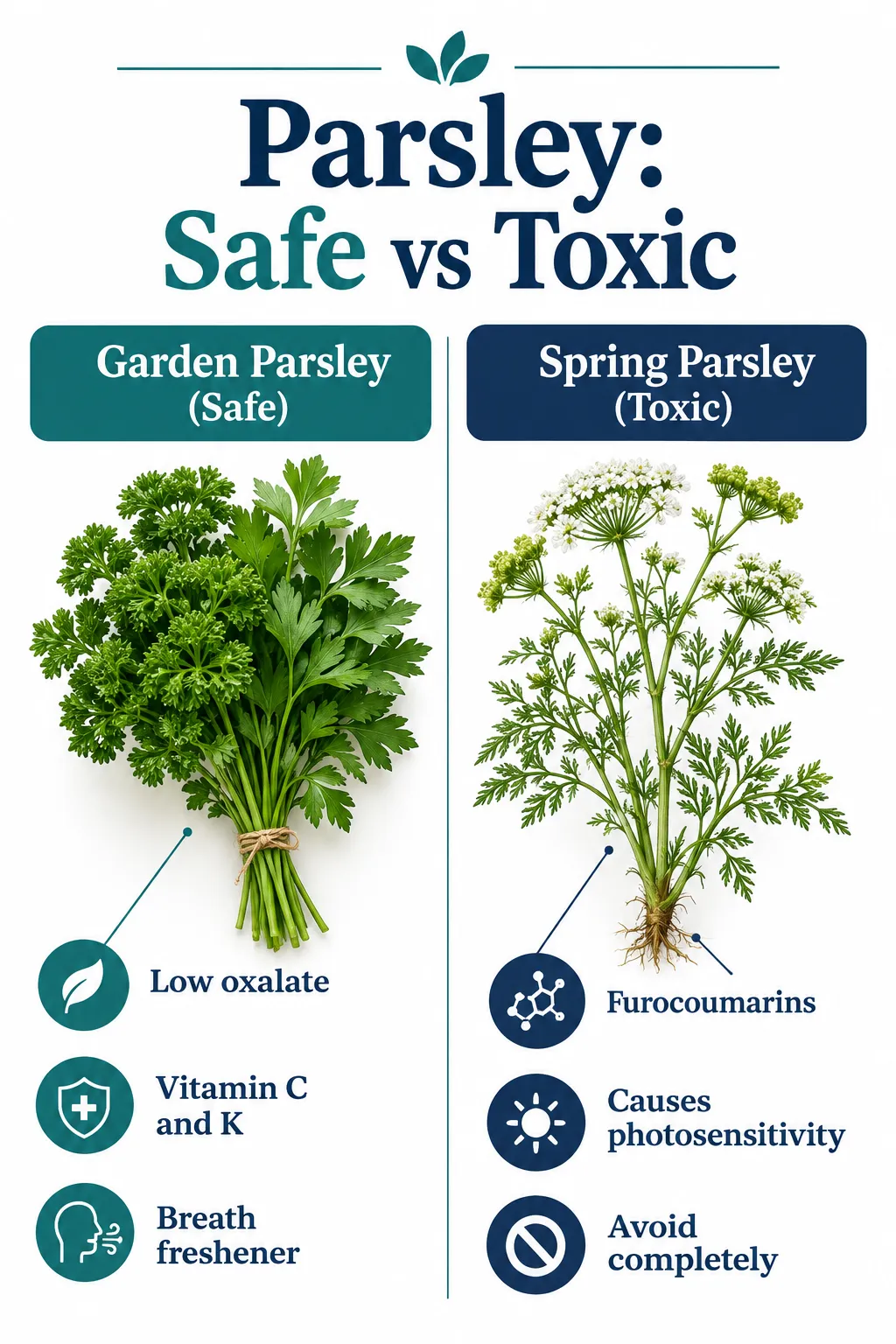
Safety depends on three things:
- Type: Garden/culinary parsley (curly or flat-leaf) is fine; spring parsley is not.
- Amount: A light sprinkle, not a handful.
- Form: Fresh or dried herb, never essential oils or herbal supplements meant for people.
Decision rule: Choose fresh, plain parsley with no seasoning, garlic, or onion mixed in if you’re adding it to your dog’s bowl. Pre-made herb blends often contain unsafe additions, so check labels closely [5].
Is Parsley Toxic to Dogs?
Garden parsley is not toxic to dogs, but spring parsley (Cymopterus watsonii), a wild plant found in parts of the western United States, is classified as toxic by the ASPCA [10][6]. This is the single biggest point of confusion for pet owners researching parsley safety.
Spring parsley contains furocoumarins, compounds that can cause photosensitization, meaning a dog’s skin becomes unusually sensitive to sunlight after exposure, leading to irritation or burns on light-skinned areas [6][7]. This plant typically grows wild in rocky terrain and isn’t something you’d buy at a grocery store, but dogs who roam off-leash in certain regions could encounter it.
Common mistake: Assuming all “parsley” is the same plant. If a dog eats a wild plant and starts showing skin redness or sun sensitivity after being outdoors, call a vet and mention possible spring parsley exposure [6].
How Much Parsley Can Dogs Have?
A reasonable amount is about a quarter to one teaspoon of fresh, chopped parsley mixed into food, offered two or three times a week for an average-sized adult dog [3][4]. Smaller dogs need less; larger dogs can tolerate slightly more, but there’s no need to go overboard since parsley is a garnish, not a nutritional staple.
Quick reference for portioning:
| Dog Size | Suggested Fresh Parsley Amount | Frequency |
|---|---|---|
| Small (under 20 lbs) | Pinch to ¼ tsp | 1-2x weekly |
| Medium (20-50 lbs) | ¼,½ tsp | 2-3x weekly |
| Large (50+ lbs) | ½,1 tsp | 2-3x weekly |
Edge case: If a dog has never had parsley before, start with the smallest amount and watch for 24 hours before repeating. This helps catch any individual sensitivity early.
What Happens If a Dog Eats Too Much Parsley?
Eating a large amount of garden parsley usually causes mild digestive upset rather than true poisoning, think vomiting, loose stool, or a gassy stomach [1][8]. It’s uncomfortable but typically resolves on its own within a day.
Things that make a bigger overdose more concerning:
- Essential oils or concentrated extracts are far more potent than the fresh herb and can cause more serious reactions [7].
- Dogs with existing kidney or liver issues may process excess oxalates poorly, raising the stakes of overindulgence [7][3].
- A dog that raided a whole garden bed of parsley plants (versus a sprinkle on dinner) warrants a call to the vet, especially if vomiting persists past 24 hours.
Mini example: A 15-pound terrier that eats a tablespoon of chopped parsley at once will likely just have a sour stomach for a day. The same dog eating a whole bunch of wild spring parsley is a different, more urgent situation.
Parsley Poisoning Symptoms in Dogs
Parsley poisoning, specifically from spring parsley or very large doses of concentrated products, can show up as skin redness, sunburn-like irritation, lethargy, drooling, or gastrointestinal distress [6][10]. True poisoning from the culinary herb alone is rare.
Watch for:
- Vomiting or diarrhea that doesn’t resolve in 24 hours
- Unusual skin sensitivity or redness after sun exposure
- Lethargy or loss of appetite
- Drooling or pawing at the mouth
If any of these appear after a dog eats an unknown plant outdoors, contact a veterinarian promptly rather than waiting it out. For broader context on which everyday foods carry real toxicity risk, this complete guide to safe and toxic foods for dogs is a useful companion read.
Parsley vs Other Herbs for Dogs
Parsley sits in the “generally safe in moderation” category alongside a handful of other common kitchen herbs, but not every herb shares that status [5][9]. Knowing the lineup helps avoid mix-ups when seasoning homemade dog food.
| Herb | Dog Safety | Notes |
|---|---|---|
| Parsley (garden) | Safe, small amounts | Avoid spring parsley variety [10] |
| Basil | Safe, small amounts | Mild antioxidant benefits [5] |
| Oregano | Safe, very small amounts | Strong flavor, use sparingly [7] |
| Cinnamon | Safe in small doses | Different plant family, different risks |
| Chives/garlic | Unsafe | Toxic to red blood cells |
For a closer look at a specific spice many owners ask about, see this guide on whether dogs can safely have cinnamon. And since vegetables often get lumped in with herbs in kitchen scraps, this breakdown of whether dogs can eat celery is a helpful cross-reference.
Choose parsley if you want a mild breath-freshening, vitamin-rich garnish. Choose basil instead if your dog seems sensitive to parsley’s slightly bitter taste.
Does Parsley Freshen Dog Breath?
Yes, parsley can help temporarily mask bad breath in dogs because of its natural chlorophyll content, but it does not treat the underlying cause of odor [2][8]. Persistent bad breath is often a sign of dental disease, diet issues, or a health problem that needs a vet’s attention.
Parsley works as a quick, low-risk freshening snack, not a dental care substitute. Pair it with regular brushing and dental chews for real results. A fun way to use it: try the mint and parsley fresh breath biscuits recipe for a homemade treat that combines both breath-freshening herbs in one bite-sized snack.
Common mistake: Relying on parsley alone for chronic bad breath. If odor lingers despite regular parsley use, schedule a dental check.
Why Do Vets Recommend Parsley for Dogs (and How to Serve It)
Veterinary and nutrition sources often mention parsley as a low-calorie way to add vitamins A, C, and K plus antioxidants to a dog’s diet, and as a mild breath freshener [1][2][9]. It’s not a required supplement, but it’s a reasonable, low-risk extra for dogs who already eat a balanced diet.
Simple ways to serve it:
- Finely chop fresh flat-leaf parsley and sprinkle a pinch over kibble.
- Blend into a treat, similar in spirit to recipes like these homemade pumpkin biscuits for dogs, swapping in a small amount of parsley.
- Freeze into ice cubes with water for a cooling, lightly flavored summer snack.
- Mix into plain yogurt for a vitamin-boosted topper.
Can Dogs Eat Parsley Stems and Roots?
Dogs can technically eat parsley stems since they’re not toxic, but stems are tougher and more fibrous, so chopping them finely helps prevent choking or digestive discomfort [8][4]. Parsley root, used in some European cooking, is also non-toxic in small cooked amounts but isn’t commonly recommended since it offers little benefit over the leaves.
Practical tip: Stick to the leafy parts for easiest digestion. If stems are included, mince them well, especially for small dogs or those prone to gulping food.
Curly Parsley or Flat-Leaf Parsley: Which Is Better for Dogs?
Flat-leaf (Italian) parsley is generally considered easier for dogs to digest and has a milder flavor than curly parsley, though both are safe culinary varieties [6][8]. Curly parsley has a slightly tougher texture that some dogs find less palatable.
| Type | Texture | Flavor | Best For |
|---|---|---|---|
| Flat-leaf | Softer, easier to chop | Milder | Most dogs, picky eaters |
| Curly | Firmer, more fibrous | Slightly stronger | Fine if finely chopped |
Decision rule: Choose flat-leaf if a dog has a sensitive stomach or is new to parsley; curly is fine too as long as it’s chopped small.
Can Puppies Eat Parsley?
Puppies can have a tiny taste of parsley once they’re eating solid food, but portions should be much smaller than an adult dog’s serving, and new foods should be introduced one at a time [3][4]. A puppy’s digestive system is still developing, so moderation matters even more.
Edge case: Skip parsley (and any new food) during the first weeks of transitioning to solid food. Wait until a puppy is comfortably eating regular puppy food before adding extras.
Is Parsley Safe for Dogs With Kidney Disease?
Dogs with kidney disease should generally avoid regular parsley because it contains oxalates, compounds that can contribute to kidney stone formation and added strain on already compromised kidneys [7][3]. This is one of the more important exceptions to the “parsley is generally safe” rule.
If a dog has diagnosed kidney issues, check with a veterinarian before adding parsley or any new ingredient to their diet. This also applies to pregnant dogs and other medically fragile pets, where even mild, generally safe additions deserve a vet’s sign-off first [7]. For broader everyday-food context, this guide to what human foods dogs can eat covers other common exceptions worth knowing.
Best Herbs Dogs Can Eat Instead of Parsley
If parsley isn’t a good fit, dogs can also safely enjoy basil, cilantro, and small amounts of mint, all considered low-risk, dog-friendly herbs [5][9]. Rotating herbs can be a simple way to add variety without relying on one ingredient too heavily.
- Basil: Mild, antioxidant-rich, good substitute.
- Cilantro: Safe in small amounts, strong flavor.
- Mint: Safe and breath-freshening, pairs well with parsley in treats.
- Avoid: Chives, garlic, and any herb blend containing onion powder.
FAQ
Can dogs eat parsley every day? Occasional use (a few times a week in small amounts) is the more common recommendation rather than daily feeding, since parsley is a garnish, not a core nutrient source [3][4].
Is dried parsley safe for dogs? Yes, plain dried parsley with no added salt, garlic, or onion is generally safe in small sprinkled amounts [5].
Can dogs eat parsley sauce or pesto? No, skip sauces and pesto since they often contain garlic, excess oil, salt, or cheese that aren’t dog-friendly [5].
What’s the difference between parsley and cilantro for dogs? Both are considered safe herbs in moderation; cilantro has a stronger, more polarizing flavor that some dogs avoid [9].
Can dogs eat parsley from a garden? Yes, if it’s confirmed culinary garden parsley. Avoid any unidentified wild plant that resembles parsley, since spring parsley is toxic [10][6].
Does parsley help with dog gas or digestion? Parsley isn’t proven to treat digestive issues; it’s mainly valued for mild breath-freshening and a light nutrient boost [8].
Can dogs with allergies react to parsley? It’s uncommon but possible, as with any new food. Introduce small amounts first and watch for itching or stomach upset.
Is parsley safe for pregnant dogs? Pregnant or medically fragile dogs should only get parsley with veterinary approval, given limited specific safety data for these groups [7].
Conclusion
Garden parsley is a safe, low-risk herb for most dogs when given in small, occasional amounts, but spring parsley is a different plant entirely and should always be avoided [1][10]. The safest approach: use fresh flat-leaf or curly culinary parsley, keep portions to a small pinch a few times a week, and skip it entirely for dogs with kidney disease, pregnant dogs, or any pet with an unclear health status unless a vet approves it first.
Next steps for owners:
- Check that any parsley at home is culinary garden parsley, not a wild lookalike.
- Start with a small pinch mixed into food and watch for 24 hours.
- Skip parsley for dogs with kidney issues without vet guidance.
- Try a homemade recipe, like the mint and parsley fresh breath biscuits, for a fun, controlled way to serve it.
- When in doubt about any plant or food, call a veterinarian before feeding.
References
[1] Can Dogs Eat Parsley – https://www.akc.org/expert-advice/nutrition/can-dogs-eat-parsley/ [2] Can Dogs Eat Parsley – https://www.akc.org/expert-advice/advice/can-dogs-eat-parsley/ [3] Can Dogs Have Parsley Safety Guide – https://paws-tales.com/health-wellbeing/can-dogs-have-parsley-safety-guide [4] Can Dogs Eat Parsley Safety Guide – https://paws-tales.com/health-wellbeing/can-dogs-eat-parsley-safety-guide [5] What Seasonings Can Dogs Have Herbs Spices – https://www.chewy.com/education/dog/food-and-nutrition/what-seasonings-can-dogs-have-herbs-spices [6] Spring Parsley – https://www.pawsdogdaycare.com/toxic-and-non-toxic-plants/spring-parsley [7] Parsley Basil Oregano – https://www.dogcancer.com/articles/diet-and-lifestyle/parsley-basil-oregano/ [8] Can Dogs Eat Parsley – https://www.dogster.com/dog-nutrition/can-dogs-eat-parsley/ [9] Herbs That Dogs Can Eat – https://thevetdesk.com/ask-the-vet/dogs/herbs-that-dogs-can-eat/ [10] Parsley – https://www.aspca.org/pet-care/aspca-poison-control/toxic-and-non-toxic-plants/parsley