

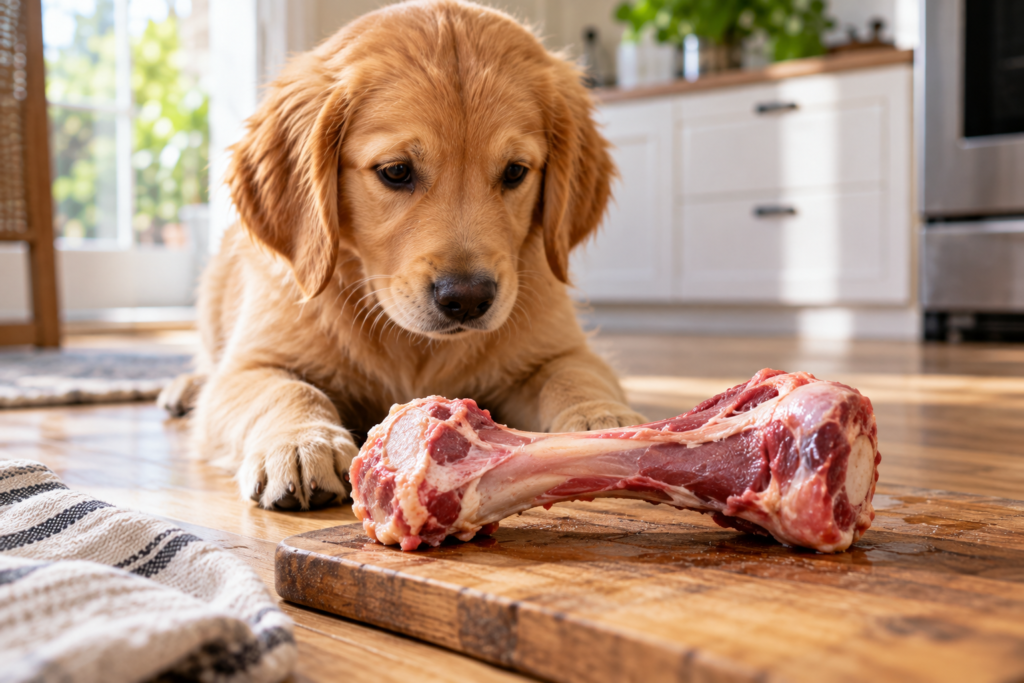
Quick Answer: Can Puppies Eat Lamb Bones? No, puppies should not eat cooked lamb bones. Cooking makes bones brittle, causing them to splinter into sharp fragments that can injure the mouth or digestive tract. Raw lamb bones are more controversial, but many veterinarians advise against them for puppies because of choking, bacterial contamination, tooth damage, and gastrointestinal risks. [2][10]
Key Takeaways
- Cooked lamb bones are never safe for puppies because heat makes them brittle and more likely to splinter. [2][10]
- Raw lamb bones remain controversial, with potential bacterial, choking, and tooth-damage risks. [5][6][10]
- Young puppies are especially vulnerable because their teeth, swallowing ability, and digestive systems are still developing.
- Bone fragments can cause serious complications, including choking, intestinal blockage, perforation, and internal bleeding.
- If your puppy eats a lamb bone, contact your veterinarian for guidance rather than waiting for symptoms to appear.
- Safer alternatives include veterinary-approved puppy chews, frozen Kongs, and appropriately designed dental chews.
🦴 Lamb Bone Safety Quick Reference for Puppies
| Bone Type | Safe for Puppies? | Main Risk |
|---|---|---|
| Cooked lamb bones | Never | Splintering, perforation, blockage |
| Raw lamb bones | Generally no | Bacterial infection, choking, tooth damage |
| Processed lamb bone treats | No | Preservatives, splintering, additives |
| Raw, meaty lamb bone (large) | Extreme caution only | Supervised, short sessions, vet-approved |
Can Puppies Eat Cooked Lamb Bones?
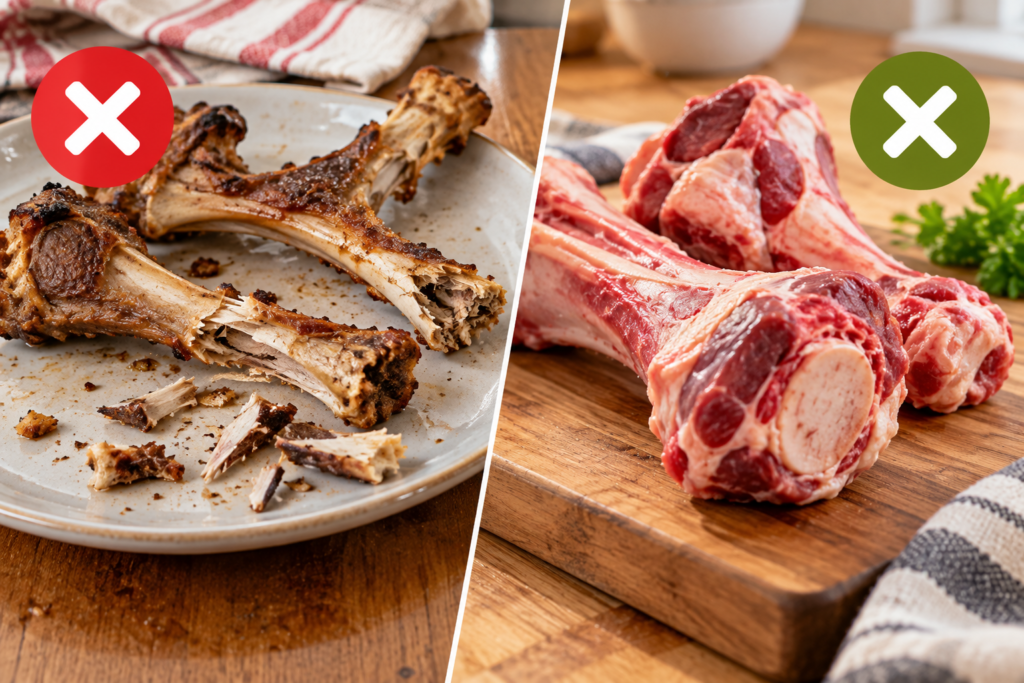
Cooked lamb bones are unsafe for dogs of any age, and puppies are particularly vulnerable. Cooking removes moisture from the bone, making it brittle and more likely to break into sharp pieces that can injure the mouth, throat, stomach, or intestines. [2][10]
The Royal Federation of Veterinary Surgeons (RFVS) and Purina both issued updated guidance in 2026 reinforcing that cooked bones should never be given to dogs. [2][10] The concern is not simply that a bone might break; sharp fragments can become lodged or damage the gastrointestinal tract.
Another common misconception is that a small cooked bone is safer for a small puppy. In reality, a puppy’s smaller digestive tract can make swallowed fragments more difficult to pass safely.
Takeaway: Never give your puppy a cooked lamb bone, whether it comes from a chop, roast, or another cut. [2][3]
Are Raw Lamb Bones Safe for Puppies?
Raw lamb bones are more complicated because expert opinion is divided. Some raw-feeding advocates consider raw bones less likely to splinter because they retain moisture and flexibility. [5][7] However, veterinary organizations and many practitioners warn about bacterial contamination, choking, tooth fractures, and digestive problems, particularly in puppies. [6][10]
Raw bones may be less brittle than cooked bones, but that does not eliminate the other risks. Puppies also have developing teeth and swallowing skills, making it harder to predict how they will chew and handle a bone.
If a veterinarian does approve a raw lamb bone for an older puppy, it should be large enough that the puppy cannot fit the entire bone in their mouth, meaty rather than bare, and offered only under direct supervision for a limited session of 10–15 minutes. [7]
Takeaway: Raw lamb bones are not recommended for puppies under 6 months. For older puppies, speak with your veterinarian first and follow any supervision and hygiene instructions they provide. [5][6]
What Happens If a Puppy Eats Lamb Bones?
If a puppy eats a lamb bone, the outcome depends on the bone’s size, whether it was cooked or raw, and how it was chewed. Cooked bones are especially concerning because they can splinter, while raw bones still carry choking, bacterial, and digestive risks. [4][6]
The most serious complications include:
- Gastrointestinal blockage, when a bone fragment becomes lodged in the stomach or intestines and prevents normal passage.
- Intestinal perforation, when a sharp fragment punctures the intestinal wall and allows bacteria into the abdominal cavity, potentially causing peritonitis.
- Choking, when a piece of bone becomes lodged in the throat or airway.
- Tooth fractures, because hard bones can crack developing puppy teeth. [4]
Takeaway: If your puppy eats a lamb bone, contact your veterinarian for guidance even if they appear normal. Some complications may not be immediately obvious.
🚨 Emergency Triage: Puppy Ate a Lamb Bone
When to Act, and How Fast
🟡 Monitor at home if:
- Puppy ate a small raw bone fragment and shows no symptoms
- Puppy is eating, drinking, and behaving normally
- Bone was raw, small, and the puppy chewed it thoroughly
🟠 Call your vet today if:
- Mild vomiting occurs once or twice
- Soft stool or slight diarrhea develops
- Your puppy seems slightly off but is still interested in food
- You’re unsure what type or size of bone was consumed
🔴 Go to emergency care NOW if:
- Repeated vomiting or dry heaving
- Abdominal swelling or obvious pain
- Lethargy, pale gums, or collapse
- Difficulty breathing or signs of choking
- Blood in vomit or stool
- Straining to defecate with no output
How Old Do Puppies Need to Be to Chew Bones?
Puppies should not be given bones, raw or cooked, before 12 weeks of age, and many veterinarians recommend waiting until at least 6 months. Before 12 weeks, baby teeth are still developing, and the digestive system is immature. [4][7]
The 3- to 6-month period is also when puppies are actively teething and chewing more intensely. Although that makes bones tempting to some owners, it is also a period when developing teeth can be damaged by very hard objects.
Frozen chew toys, damp frozen washcloths, and veterinary-approved teething rings can provide chewing relief without the risks associated with bones.
Takeaway: Wait until your puppy is at least 6 months old and discuss bone chewing with your veterinarian before introducing any bone. Cooked bones should never be offered. [4][7]
Lamb Bones vs Chicken Bones for Puppies: Which Is Safer?
Neither lamb nor chicken bones are recommended for puppies. Chicken bones, particularly small hollow bones, can be especially brittle when cooked, while lamb bones are denser and harder. [3][9]
However, a difference in risk does not make lamb bones safe. Cooked lamb bones can still splinter, raw lamb bones can still carry bacteria, and harder bones can still damage a puppy’s teeth.
| Factor | Lamb Bones | Chicken Bones |
|---|---|---|
| Splinter risk (cooked) | High | Very high |
| Bone density | Denser, harder | Lighter, more brittle |
| Choking risk | Moderate | High (small pieces) |
| Tooth fracture risk | Higher (harder bone) | Lower |
| Overall puppy safety | Not recommended | Not recommended |
Takeaway: Neither type is appropriate for puppies. If a veterinarian approves a recreational bone for an older puppy, follow their recommendation on size, type, and supervision. [3][9]
Best Bones and Alternatives to Lamb Bones for Puppies to Chew
The safest chewing options for puppies are generally alternatives to bones. Veterinary dentists and nutritionists recommend options that satisfy the urge to chew without the same splintering, bacterial, or blockage concerns. [2][4]
Safer alternatives include:
- Frozen Kong toys stuffed with puppy-safe fillings such as plain yogurt or mashed banana can provide chewing relief and mental stimulation.
- Veterinary-approved dental chews formulated specifically for puppies and sized appropriately.
- Nylon chew bones available in puppy-specific sizes and designed for chewing rather than consumption.
- Frozen carrots can provide another simple chewing option; supervise your puppy to prevent large pieces from being swallowed.
- Bully sticks can be digestible, but puppy-appropriate sizing and supervision are still important.
If you’re comparing lamb bones with rawhide, keep in mind that rawhide has its own risks, including choking and intestinal blockage from softened pieces. [2]
Takeaway: For puppies, veterinary-approved chew toys and dental products designed for their age and size are a more practical choice than lamb bones or rawhide. [2][4]
How to Prepare Lamb Bones for Puppies (If Vet-Approved)
If your veterinarian specifically approves a raw lamb bone for an older puppy, preparation and supervision are important. Never cook, boil, bake, or microwave the bone before giving it to a puppy; heating changes the bone and increases the risk of splintering. [2][10]
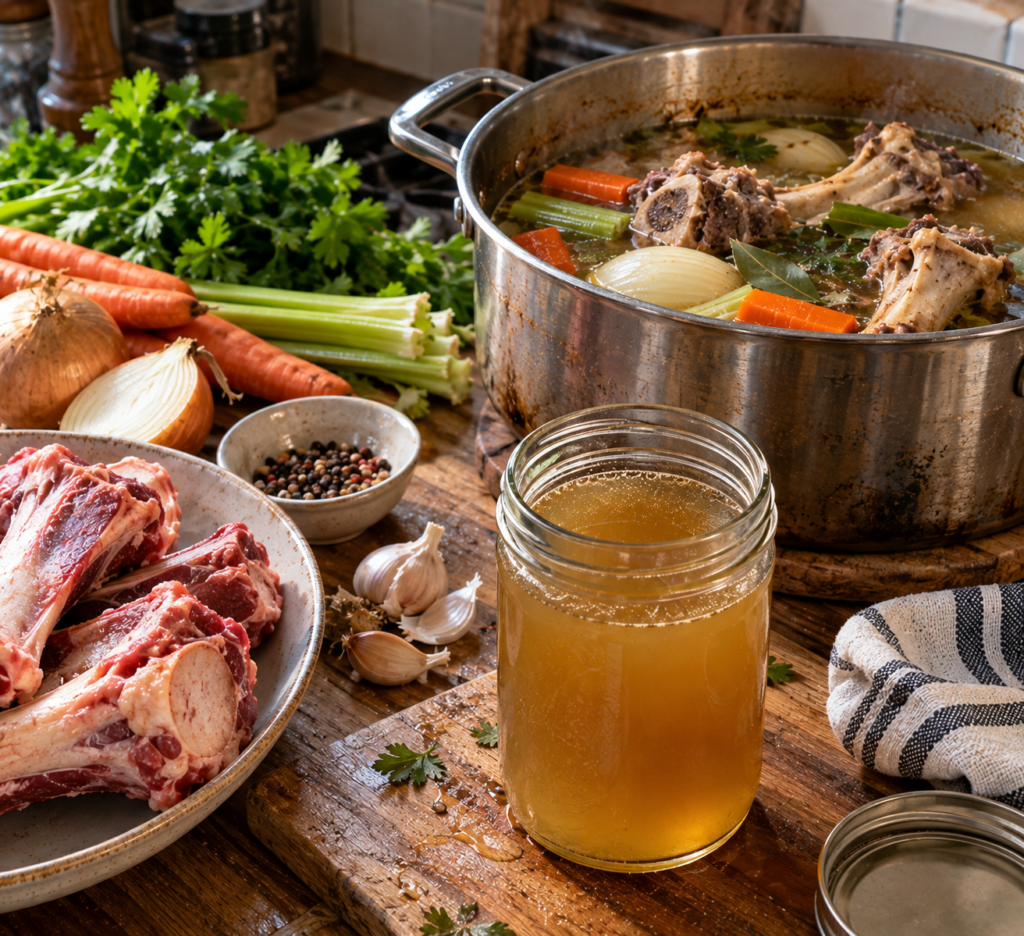
Ingredients
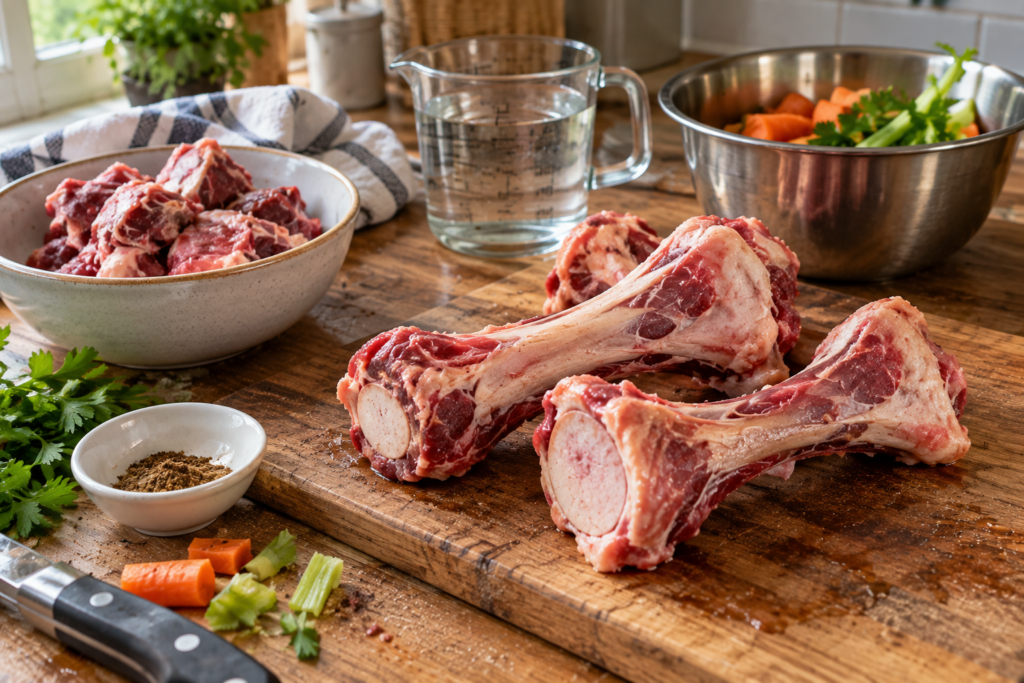
- 2–3 large, meaty raw lamb bones
- 1 carrot, roughly chopped
- 1 celery stalk, roughly chopped
- ½ onion, roughly chopped
- 1–2 garlic cloves, optional
- A small handful of fresh parsley
- 4–6 cups of water
Important: If this broth is intended for a puppy, keep it plain and unseasoned. Do not add salt, stock cubes, or other seasonings. Also, never give the cooked bones to the puppy—remove and discard them after cooking.
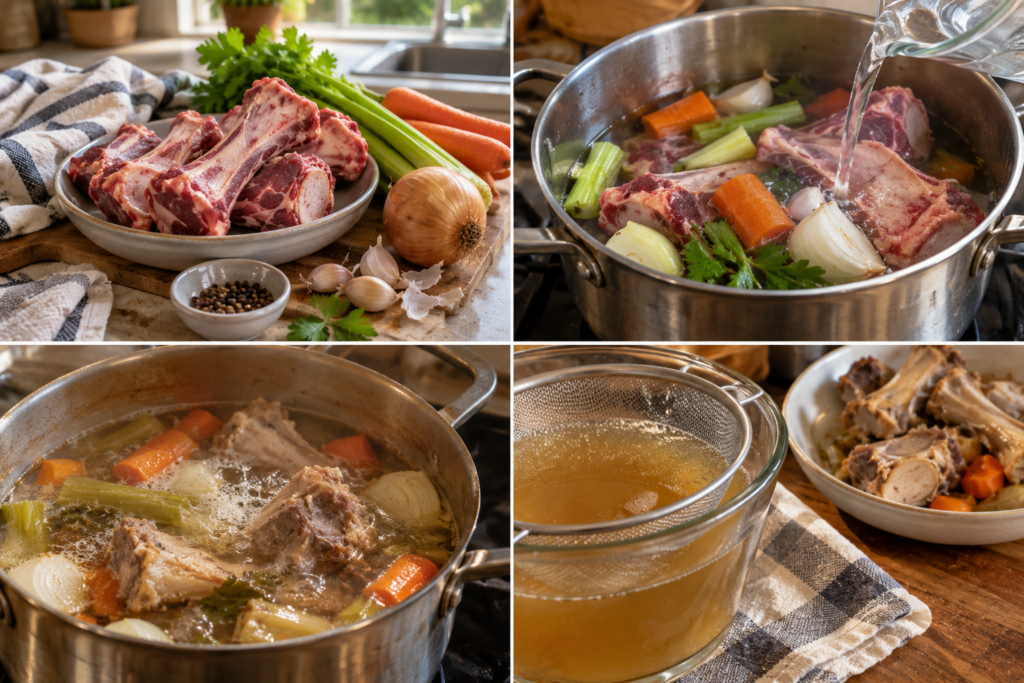
- Gather the ingredients
Place the lamb bones, carrots, celery, onion, garlic, parsley, and other vet-approved ingredients on your work surface. - Add the bones and vegetables to a pot
Put the lamb bones and vegetables into a large pot, then add enough water to cover everything. - Simmer gently
Bring the mixture to a gentle simmer and cook slowly until the broth develops a rich color and the meat and connective tissue soften. - Strain the broth
Remove the bones and vegetables, then strain the finished broth through a fine-mesh strainer to remove small bone fragments and solids.
Takeaway: If your veterinarian approves a raw lamb bone, keep the session short and supervised, and follow their instructions for handling and disposal. Never cook the bone. [5][7]
How Often Can Puppies Have Lamb Bones?
Even with veterinary approval, raw lamb bones should be an occasional chew rather than a routine part of a puppy’s diet. The original guidance recommends no more than once or twice per week and only for puppies over 6 months old. [6][7]
Frequent bone chewing can also contribute excess calcium and phosphorus and may cause constipation because bone material can harden stool. For growing puppies, excessive calcium can be particularly important because their diets need to remain appropriately balanced. [6]
Takeaway: Treat raw lamb bones as occasional, supervised enrichment rather than a daily chew. For regular chewing needs, use puppy-appropriate alternatives. [6]
Frequently Asked Questions
Can puppies eat cooked lamb chop bones?
No. Cooked lamb chop bones can become brittle and splinter into sharp fragments that may damage the digestive tract. Never give a puppy a cooked bone. [2][10]
Are raw lamb bones safer than cooked ones for puppies?
Raw lamb bones are less likely to splinter than cooked bones because they retain moisture and flexibility. However, they still carry bacterial, choking, tooth-damage, and digestive risks. Most veterinarians do not recommend them for puppies under 6 months. [5][6]
What should I do if my puppy swallowed a lamb bone whole?
Call your veterinarian or an emergency clinic immediately. Do not induce vomiting unless a veterinary professional specifically tells you to, because bringing a sharp bone fragment back up can cause additional injury. Your veterinarian may recommend monitoring, X-rays, or removal depending on the circumstances. [4]
Can lamb bones help with puppy teething?
Puppies naturally chew more during the 3- to 6-month teething period, but lamb bones are not a risk-free teething solution. Frozen Kong toys, chilled washcloths, and veterinary-approved teething rings can provide chewing relief without the same splintering and choking concerns. [4][7]
Are lamb bones better than rawhide for puppies?
Neither is ideal. Rawhide can present choking and blockage risks, while raw lamb bones carry splintering, bacterial, and tooth-damage risks. Veterinary-approved dental chews and durable puppy chew toys are alternatives worth discussing with your veterinarian. [2]
Can large-breed puppies handle lamb bones better than small breeds?
Size can change the type and severity of risk, but it does not make lamb bones safe. Larger puppies have stronger jaws that can also put more force on hard bones, increasing the possibility of tooth damage or broken fragments. [4][6]
What are the signs of a bone stuck in a puppy’s stomach?
Watch for repeated vomiting, loss of appetite, abdominal pain or bloating, lethargy, and straining to defecate. Symptoms can develop hours or even days after ingestion, so concerning changes warrant prompt veterinary attention. [4]
Conclusion
The answer is straightforward for cooked lamb bones: never give them to a puppy. Raw lamb bones are more nuanced, but they still carry risks that make them a poor choice for many puppies, particularly younger dogs.
Next steps:
- Remove cooked bones from your puppy’s reach, including leftovers, trash, and compost.
- Ask your veterinarian which chewing options are appropriate for your puppy’s age, breed, size, and health.
- Keep puppy-safe chews available, such as veterinary-approved dental chews, frozen Kongs, and appropriately sized chew toys.
- Keep your vet’s emergency number handy in case your puppy ever swallows a bone or develops concerning symptoms.
Your puppy’s need to chew is completely natural. The goal is to give them an outlet that satisfies that instinct while avoiding an unnecessary trip to the emergency clinic.
References
[1] Can Dogs Eat Lamb Bones – https://www.petscare.com/en-gb/news/faq/can-dogs-eat-lamb-bones
[2] Lamb Bones – https://www.purina.com/articles/dog/feeding/can-dogs-eat/lamb-bones
[3] Can Dogs Eat Lamb Bones – https://www.countryliving.com/uk/wildlife/pets/a64164791/can-dogs-eat-lamb-bones/
[4] Can Dogs Eat Lamb Bones: A Vet’s Opinion – https://clinic.vetnoms.com/en/can-dogs-eat-lamb-bones-a-vets-opinion/
[5] Are Dogs Allowed Lamb Bones – https://www.merseyraw.com/blogs/news/are-dogs-allowed-lamb-bones
[6] Risks Dogs Chewing Raw Lamb Bones 8058 – https://www.dialavet.com/vet-answers/risks-dogs-chewing-raw-lamb-bones-8058
[7] Blog: Can Dogs Have Lamb Bones – https://www.naturesmenu.co.uk/blog-can-dogs-have-lamb-bones.html
[9] Can Dogs Eat Lamb Bones – https://fetchpetcare.com/blog/can-dogs-eat-lamb-bones/
[10] Rfvs Position Statement – https://rfvs.info/rfvs-position-statement/