
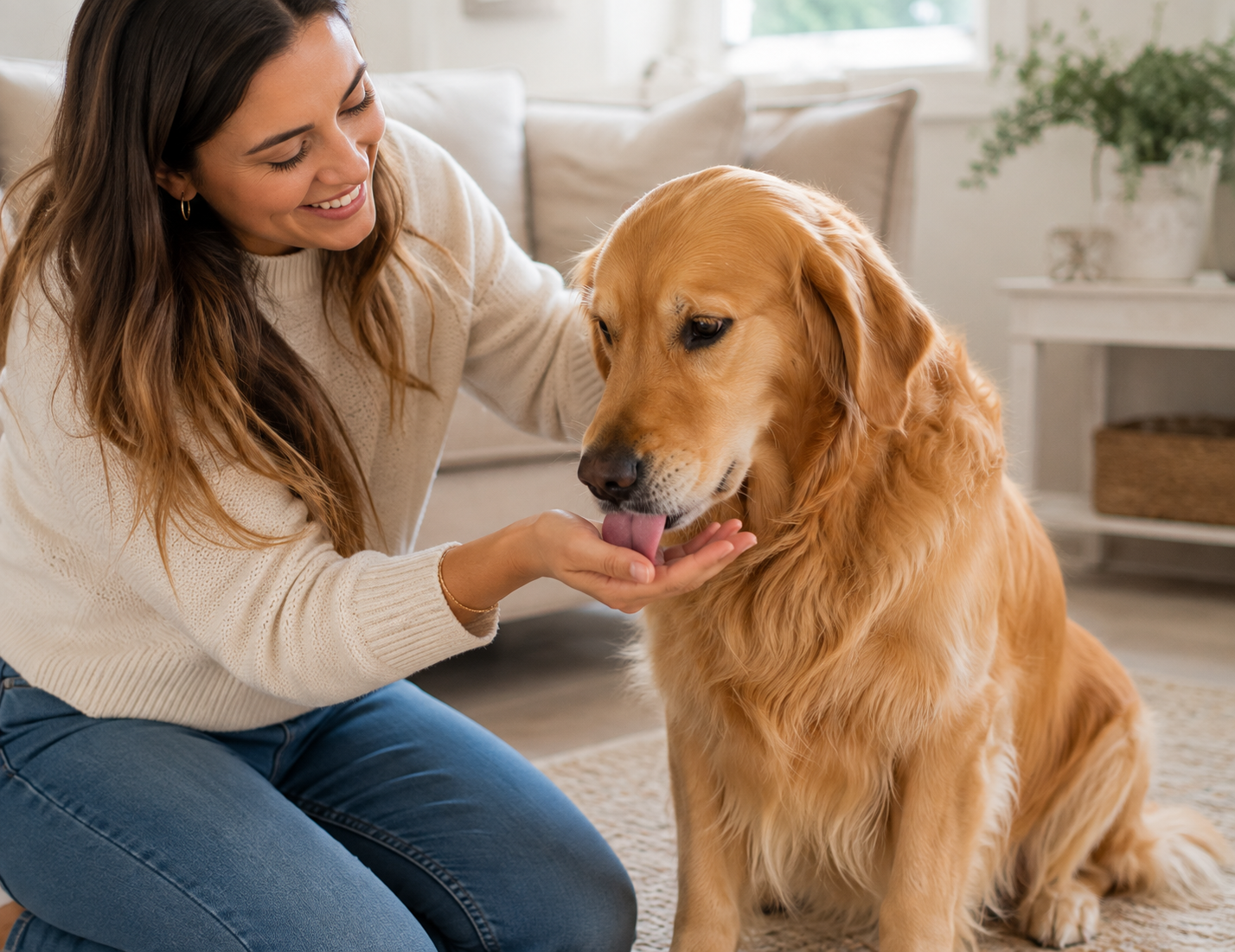
Quick Answer: Dogs lick people, themselves, other dogs, and objects for many different reasons. Licking is a normal canine behavior used to show affection, gather information, groom, communicate, and self-soothe. While occasional licking is completely normal, excessive or sudden licking can sometimes point to allergies, anxiety, pain, or another medical problem that should be checked by a veterinarian. Dog Licking Triage Tool Use this quick guide to help decide whether your dog’s licking is normal or if it needs veterinary attention. Behavior What You Should Do Brief face licking during greetings ✅ Usually normal—no action needed Occasional paw grooming ✅ Normal behavior Paw licking causing redness or hair loss ⚠️ Schedule a veterinary visit—possible allergies or infection Air licking with repeated lip smacking and swallowing ⚠️ Contact your veterinarian—may indicate nausea or dental pain Licking a wound until it becomes raw or bleeds 🚨 Prevent further licking with a cone and seek veterinary care immediately Sudden obsessive licking with vomiting or lethargy 🚨 Contact your veterinarian as soon as possible Key Takeaways I’ve noticed that almost every dog owner eventually asks the same question: “Why does my dog lick everything?” Whether it’s your hands, your face, their paws, the couch, or even the air, licking is one of the most common behaviors dogs display. The good news is that most licking is completely normal. Dogs use their tongues to communicate, gather information about their surroundings, strengthen social bonds, and even comfort themselves during stressful situations. However, when licking becomes excessive or suddenly changes, it can sometimes signal an underlying medical or behavioral problem. In this guide, you’ll learn why dogs lick people, why they lick their paws and wounds, when licking is normal, when it could indicate illness, and what you can do if your dog’s licking becomes excessive. Why You’ll Find This Guide Helpful There are many reasons dogs lick, and not all of them mean the same thing. This guide separates normal canine behavior from signs that may require veterinary attention. You’ll learn: Whether your dog gives you an occasional kiss or spends hours licking the same spot, this guide will help you understand what the behavior means and when it’s time to take action. Dog Licking Triage Tool Use this quick checklist to decide your next steps. Behavior Action Brief face licking during greetings Normal – No action needed Paw licking causing red fur or hair loss Call Vet – Likely allergies Air licking with lip smacking & swallowing Call Vet – Check for nausea Licking a surgical wound until it bleeds Emergency – Use cone & go Why Do Dogs Lick People? Dogs lick people for many different reasons. Most of the time, it’s a normal behavior that helps them communicate, strengthen social bonds, and learn more about the people they love. A quick lick on your hand or face is usually nothing to worry about. One of the most common reasons dogs lick people is to show affection. Licking is a social behavior that begins in puppyhood. Puppies lick their mother’s face, and many dogs carry this habit into adulthood as a way of greeting and bonding with their human family. Dogs are also naturally curious. Your skin carries scents from sweat, food, lotions, and the environment, giving your dog plenty of information through taste and smell. They’re especially attracted to the salty taste of human skin and the scent glands around your face. Licking can also be a calming signal. If you lean over your dog, make direct eye contact, or approach them during a stressful moment, they may lick you to communicate peaceful intentions and reduce tension. Some dogs develop a bedtime licking routine. As the house becomes quiet, they may lick your hand or arm before settling down to sleep. The repetitive motion helps many dogs relax, and the familiar scent of their owner provides additional comfort. However, not all licking is driven by affection. If your dog begins licking you constantly, appears restless, pants excessively, or shows other signs of stress, anxiety may be contributing to the behavior. Takeaway: Most dogs lick people to show affection, gather information, or relax. Excessive licking combined with anxious behavior may deserve closer attention. Why Is My Dog Constantly Licking Its Paws? Occasional paw grooming is completely normal, but constant paw licking usually points to an underlying problem. Allergies are one of the most common causes. Environmental allergens such as pollen, grass, or dust mites can make your dog’s paws itchy, while food allergies may also trigger persistent licking. The moisture created by constant licking can lead to yeast or bacterial infections, making the irritation even worse. Pain is another possible cause. A thorn, small cut, cracked paw pad, insect sting, or arthritis in the toes may cause your dog to repeatedly lick the affected area in an attempt to relieve discomfort. Behavioral issues can also play a role. Some dogs lick their paws out of boredom or anxiety, especially if they don’t receive enough physical exercise or mental stimulation. Treatment depends on the underlying cause. Your veterinarian may recommend allergy medication, antibiotics for infection, pain relief, or changes to your dog’s diet. If anxiety is contributing to the behavior, increasing exercise, enrichment, and training may help reduce repetitive licking. Takeaway: Persistent paw licking isn’t usually just grooming. Check for redness, swelling, cuts, or foreign objects, and contact your veterinarian if the behavior continues. Why Do Dogs Lick Wounds and Should You Stop Them? Dogs naturally lick wounds because they’re instinctively trying to clean and soothe the injured area. A few quick licks may remove dirt from a minor scrape, but repeated licking does far more harm than good. Although saliva contains enzymes that may help clean small wounds, a dog’s mouth also contains bacteria. Constant licking keeps the wound moist, damages new tissue, delays healing, and increases the risk of infection. Some dogs develop painful lick granulomas—thickened sores caused by repeated licking that can take weeks to heal. For surgical incisions or larger
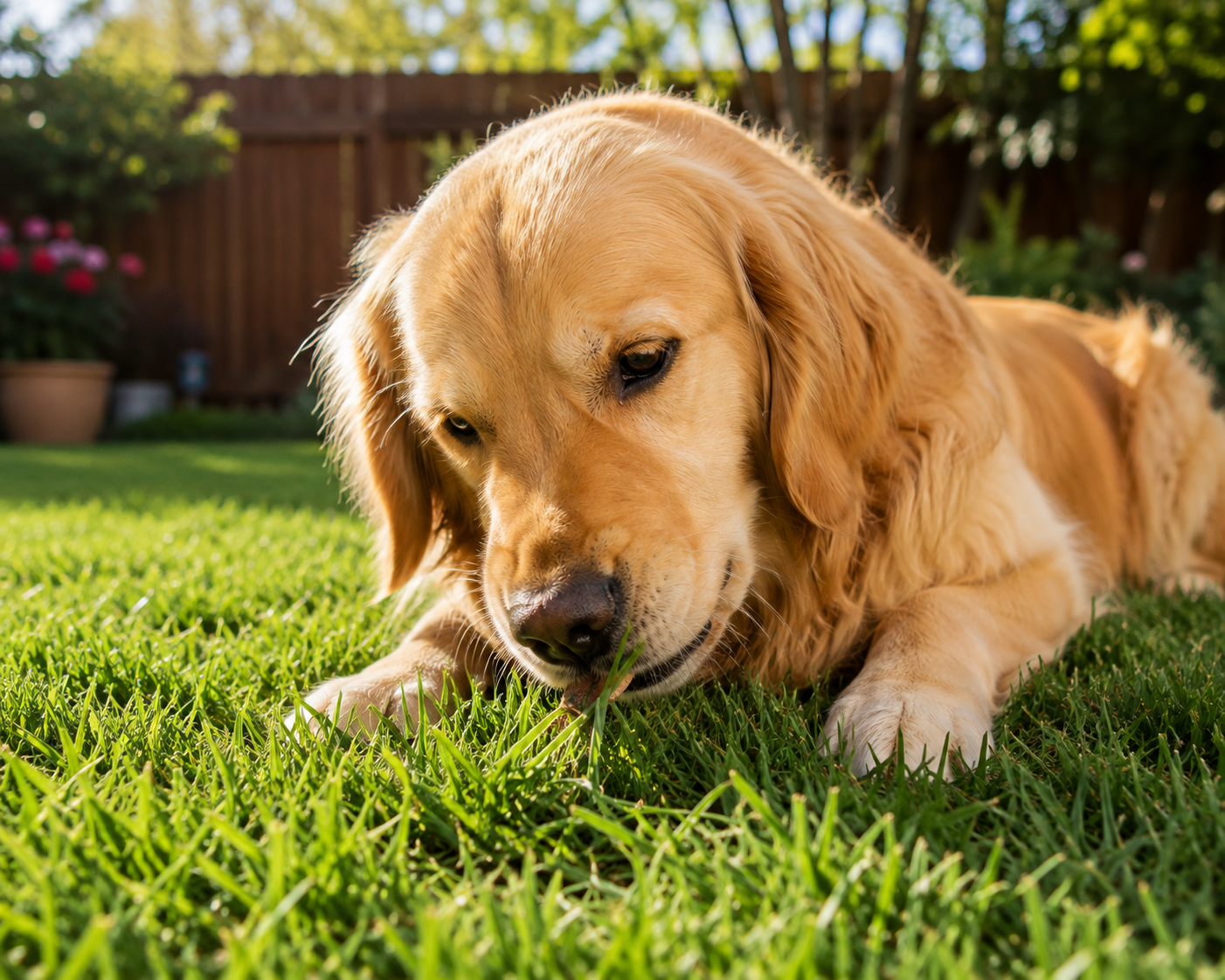
Why Do Dogs Eat Grass? Should You Be Concerned?
Quick Answer: Dogs eat grass for many different reasons, including curiosity, taste, boredom, or mild digestive discomfort. In most cases, it’s completely normal behavior and isn’t a sign that something is wrong. Studies show that fewer than 10% of dogs appear sick before eating grass, and only about 25% vomit afterward. If your dog only nibbles grass occasionally and acts normally, there’s usually no reason to worry. However, sudden, obsessive grass-eating or grazing that’s accompanied by vomiting, diarrhea, or lethargy should be checked by your veterinarian. 🚨 Grass-Eating Urgency Guide ✅ Usually Normal ⚠️ Contact Your Vet 🚨 Seek Emergency Care Key Takeaways I’ve seen many dogs stop during a walk, grab a few bites of grass, and then carry on as if nothing happened. It’s one of those behaviors that often surprises dog owners and leaves them wondering if their pet is trying to tell them something. The good news is that, for most dogs, eating grass is completely normal. Some dogs simply enjoy the taste, while others nibble grass out of curiosity, boredom, or instinct. Although many people believe dogs eat grass only when they have an upset stomach, research suggests that’s only part of the story. In this guide, you’ll learn why dogs eat grass, when it’s perfectly normal, when it could signal a health problem, and how to tell the difference between harmless grazing and behavior that deserves a call to your veterinarian. Why You’ll Find This Guide Helpful There’s a lot of conflicting information online about dogs eating grass. Some sources say it’s always a sign of an upset stomach, while others claim dogs simply enjoy it. The truth is somewhere in between. In this guide, you’ll discover: Whether your dog grabs a few blades during walks or grazes every day in the backyard, this guide will help you understand what’s normal and when you should be concerned. Why Do Dogs Eat Grass? The simple answer is that most dogs eat grass because it’s a normal part of their behavior. Wild relatives such as wolves and coyotes also eat plant material, so grazing isn’t unusual for dogs. In many cases, dogs simply enjoy the taste or texture of fresh grass, especially in the spring. Several factors may explain why dogs eat grass: Many owners believe dogs only eat grass when they have an upset stomach, but research doesn’t fully support that idea. Studies have found that fewer than 10% of dogs show signs of illness before eating grass, suggesting that digestive upset isn’t the main reason most dogs graze. That said, some dogs do appear to eat grass when they feel nauseated. In these cases, the grass may help trigger vomiting and relieve stomach discomfort. This seems to happen in some dogs, but it isn’t the most common explanation. Not every dog vomits after eating grass. In fact, only about 25% of dogs throw up afterward. When vomiting does happen, it’s often because the dog ate a large amount of grass quickly, which can irritate the stomach or throat. If your dog repeatedly vomits every time they eat grass, or vomits several times in one day, it’s important to contact your veterinarian. Takeaway: Most dogs eat grass simply because it’s normal behavior. Occasional grazing, even without vomiting, usually isn’t a cause for concern. When Is Grass Eating Dangerous? Grass itself isn’t toxic to dogs, but what grows on it—or what’s sprayed on it—can be dangerous. The biggest risks include: Long blades of grass swallowed whole can also cause gagging or irritation, although serious blockages are uncommon. The pattern of your dog’s grass-eating is often more important than the behavior itself. Sign Usually Normal May Need Veterinary Attention Frequency Occasional grazing Multiple times every day Vomiting Rare or never Every time or repeated vomiting Appetite Eating normally Refusing food Energy Normal activity Lethargy or weakness Behavior Eats a few bites then stops Obsessive grazing that’s hard to interrupt A dog that has always nibbled a little grass during walks is usually behaving normally. However, if your dog suddenly begins eating large amounts of grass, especially alongside vomiting, diarrhea, weight loss, or changes in behavior, they should be examined by a veterinarian. Takeaway: Grass is rarely the problem. Chemicals, toxic plants, parasites, and sudden changes in your dog’s behavior are the real reasons to be concerned. How Much Grass Is Too Much? There’s no exact amount of grass that’s considered “safe” because every dog is different. For most healthy dogs, eating a few blades during a walk or while relaxing in the yard isn’t a problem. The concern begins when grass-eating becomes frequent, excessive, or starts replacing normal eating habits. You should pay closer attention if your dog: Some dogs naturally graze more often than others. Personality, breed, diet, boredom, anxiety, and the amount of daily exercise all play a role. Dogs that don’t receive enough mental stimulation may also develop grass-eating as a repetitive habit. If your dog regularly eats large amounts of grass, it’s worth reviewing their diet, exercise routine, and daily enrichment before assuming there’s a medical problem. Takeaway: A few blades of grass are usually harmless. Frequent or obsessive grazing deserves a closer look, especially if it’s a new behavior. Should You Stop Your Dog From Eating Grass? Most of the time, no. Occasional grass-eating is normal and doesn’t need to be stopped. Instead of trying to eliminate the behavior completely, focus on keeping your dog safe and reducing excessive grazing if it becomes a habit. Here are a few simple ways to help: Avoid punishing your dog for eating grass. Punishment doesn’t address the underlying cause and may increase anxiety, making the behavior worse. Takeaway: You don’t need to stop occasional grass-eating. Focus on preventing access to unsafe grass and addressing excessive grazing if it becomes a regular habit. Can Puppies Eat Grass? Yes. Puppies often explore the world by putting things in their mouths, including grass. Occasional nibbling is usually a normal part of learning about their environment. Because puppies
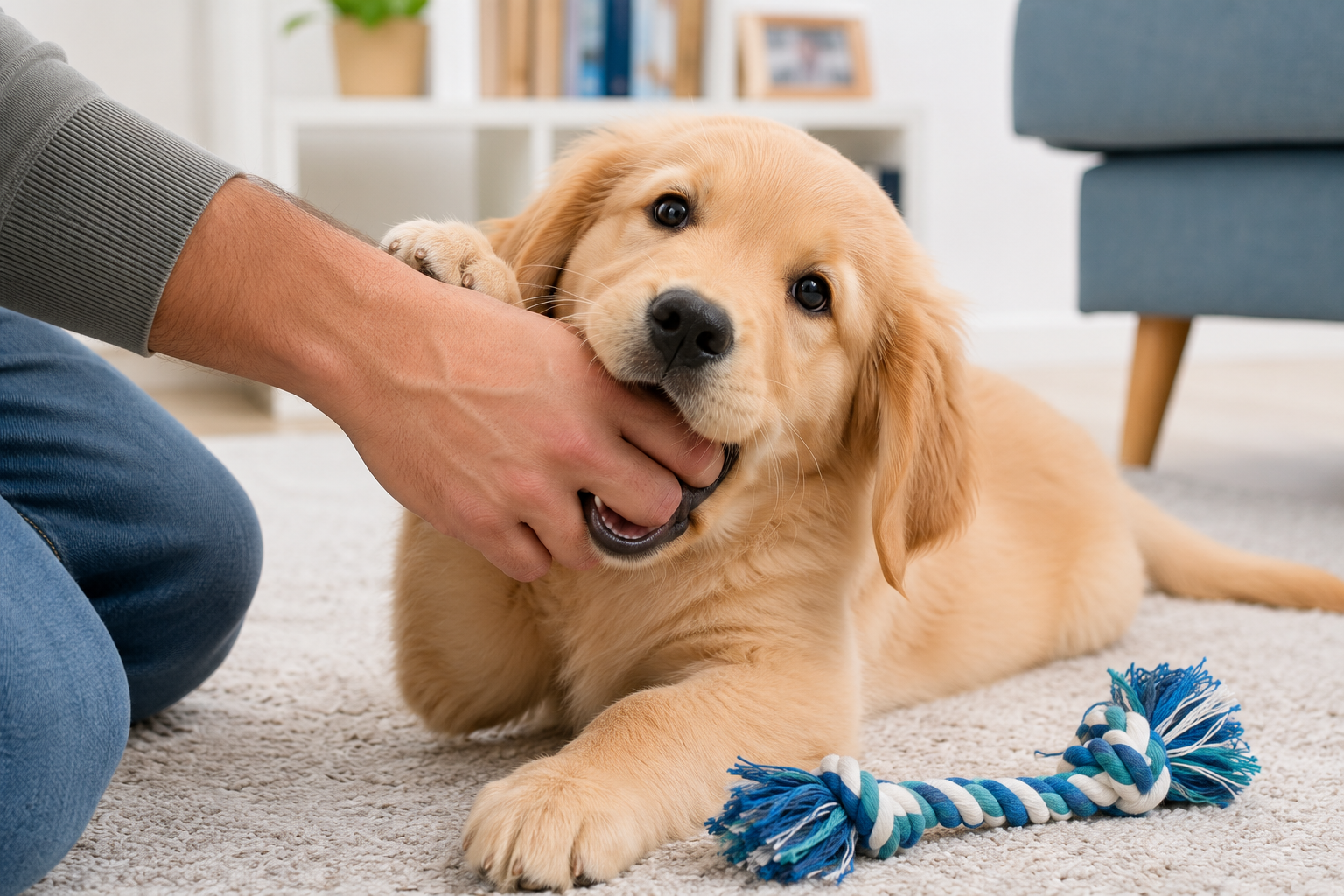
How to Stop a Puppy From Biting: Vet-Approved Training Guide
Quick Answer: To stop a puppy from biting, immediately end play whenever their teeth touch your skin, redirect them to an appropriate chew toy, and reward calm behavior. Puppy biting is a normal part of development, especially during teething and play, but consistent training teaches bite inhibition and helps puppies learn that human skin is never an acceptable chew toy. Most puppies improve significantly with patient, daily practice. However, if your puppy’s biting becomes unusually intense, causes repeated injuries, or is accompanied by stiff body language, growling, or resource guarding, consult your veterinarian or a qualified positive-reinforcement trainer to rule out underlying behavioral or medical concerns. Key Takeaways Why Do Puppies Bite? Puppy biting is a normal part of growing up. Puppies use their mouths to explore the world, interact with people and other animals, and learn how much pressure they can safely use during play. Unlike humans, who rely primarily on their hands, puppies use their mouths to investigate new objects, textures, and experiences. One of the most important skills puppies develop is bite inhibition—the ability to control the force of their bite. While living with their littermates, puppies naturally learn this skill through play. If one puppy bites too hard, the other usually yelps and stops playing. This teaches the biting puppy that rough play has consequences. When puppies join a new home, they continue practicing these behaviors with their human family. Since human skin is much more sensitive than fur, they need consistent guidance to learn that biting people immediately ends the fun. Is Puppy Biting Normal? Yes. Gentle mouthing and nipping are completely normal during the first few months of life. Puppies commonly bite because they are: Normal puppy biting is usually accompanied by loose, wiggly body language, a wagging tail, and playful behavior. While those sharp puppy teeth can hurt, this type of biting is rarely a sign of aggression. At What Age Do Puppies Stop Biting? Most puppies begin biting less between 3 and 5 months of age as they gain better impulse control and progress through teething. By 6 to 8 months, biting should decrease significantly if owners consistently reinforce appropriate behavior. Some energetic breeds, including Border Collies, Australian Shepherds, and Jack Russell Terriers, may continue mouthing longer because they naturally enjoy interactive play and movement. How Teething Affects Biting Teething is one of the biggest reasons puppies chew and bite more frequently. As adult teeth replace baby teeth—typically between 3 and 6 months of age—the gums become sore and itchy, encouraging puppies to chew on almost anything they can find. Common signs of teething include: You can help soothe sore gums by offering: Avoid cooked bones or objects that can splinter, as they may damage developing teeth or create a choking hazard. 🐾 Owner Tip: Puppies often become especially mouthy when they’re teething, tired, or overstimulated. Before assuming your puppy is being “naughty,” try offering a safe chew toy or giving them time for a nap. Puppy Biting vs. Aggression Most puppy biting is playful and harmless, but it’s important to recognize the difference between normal mouthing and behavior that may require professional attention. Playful puppies usually have loose, relaxed bodies, wagging tails, and frequently invite interaction with a play bow. Their bites are quick, playful, and not intended to injure. Aggressive behavior is very different. Puppies showing aggression may become stiff, freeze before biting, stare intensely, curl their lips, growl deeply, or guard food, toys, or other valued items. Puppy Bite Triage: Play vs. Aggression Behavior Normal Play Possible Aggression Body posture Loose and bouncy Stiff and rigid Tail Relaxed, wagging Stiff or tucked Eyes Soft, blinking Hard stare Growling Playful or excited Deep, threatening Bite Gentle mouthing Hard bite intended to injure If your puppy repeatedly displays stiff body language, hard bites, resource guarding, or bites without obvious play signals, contact your veterinarian or a qualified behavior professional for guidance. 🩺 Vet Insight: Most puppies grow out of playful biting with consistent training, but aggressive behavior should never be dismissed as “just a phase.” Early intervention greatly improves long-term outcomes. How to Stop a Puppy From Biting Teaching bite inhibition takes patience and consistency. Every member of the household should respond the same way whenever the puppy bites. Redirect to a Chew Toy Keep an appropriate chew toy within reach during play. If your puppy starts biting your hands or clothing, calmly replace your hand with the toy and encourage them to chew on that instead. End Play Immediately If your puppy’s teeth touch your skin, stop interacting right away. Stand up, fold your arms, and ignore the puppy for 10 to 20 seconds. This teaches that biting makes the fun end. Reward Calm Behavior As soon as your puppy settles down or begins chewing an appropriate toy, reward them with praise, gentle attention, or a treat. Positive reinforcement encourages good choices. Prevent Hand and Foot Biting Avoid rough games that encourage your puppy to chase hands or feet. Children should be taught to stand still like a “tree” if the puppy begins nipping, since running often encourages chasing. Choose the Right Chew Toys Offer durable chew toys designed for puppies and rotate them regularly to maintain interest. Frozen toys can also provide relief for teething puppies. Should You Yelp or Stay Quiet? Some puppies respond well to a brief “Ouch!” because it resembles feedback from littermates. Others become more excited and bite harder. If yelping increases your puppy’s excitement, quietly end play instead and redirect them to a chew toy. When Puppy Biting Becomes a Problem Although most puppy biting is harmless, some situations require closer attention. Puppy Bites That Draw Blood Sharp puppy teeth can accidentally scratch or puncture skin during play. Wash any bite that breaks the skin with soap and water and monitor for redness, swelling, or other signs of infection. Seek medical advice if the wound becomes infected or is severe. Biting That Gets Worse Instead of Better If your puppy’s biting becomes more
What Colors Can Dogs See? The Truth About Your Dog’s Vision
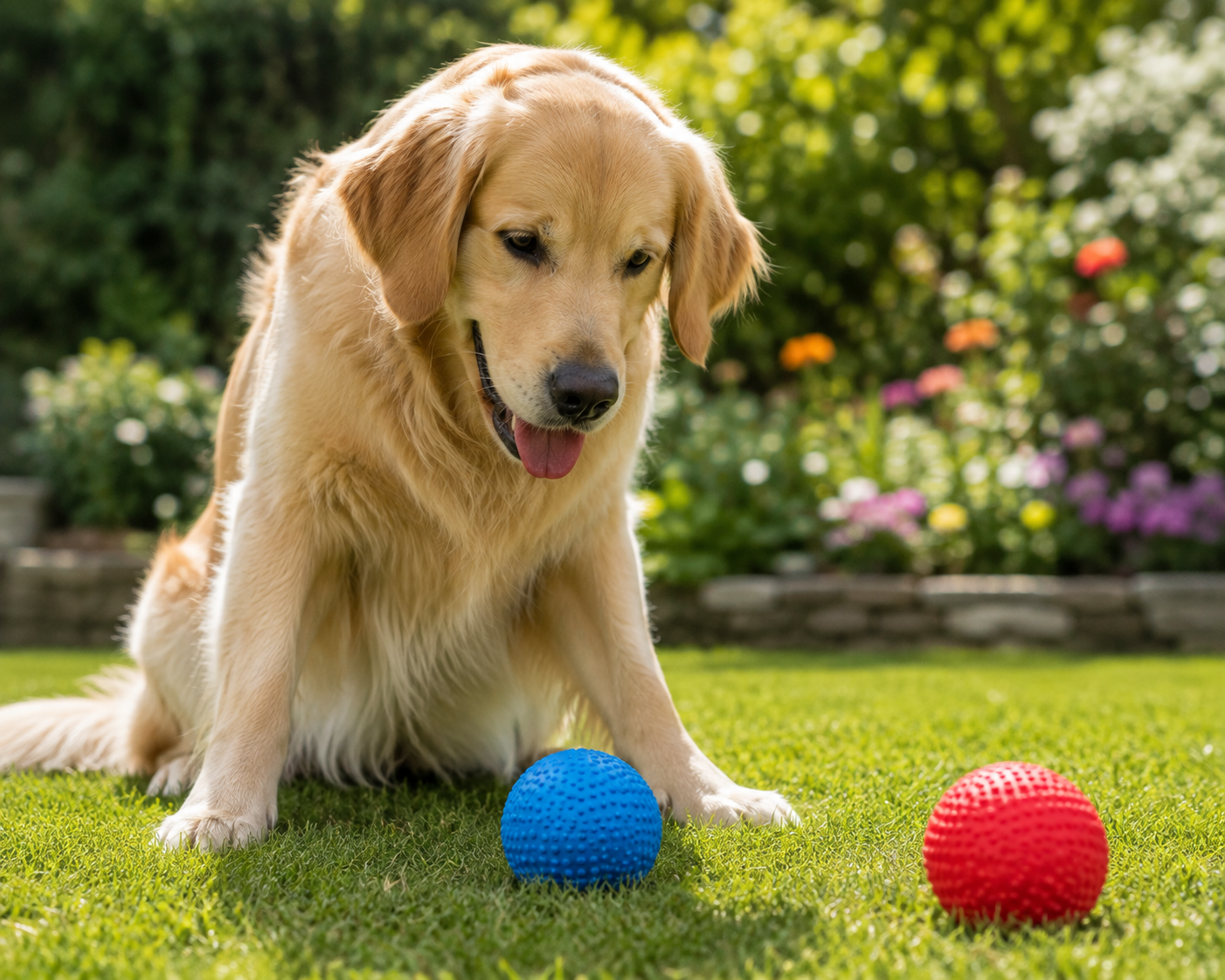
Quick Answer: Dogs can see color, but not the full range that humans do. They have dichromatic vision, meaning they see mainly shades of blue, yellow, and gray. Red and green appear as dull yellowish-brown or gray, which is why a bright red ball can almost disappear in green grass. If you want your dog to spot toys more easily, choose bright blue or yellow instead. Key Takeaways Quick Facts: Canine Vision Feature Dog Vision Vision Type Dichromatic (2 cone cells) Best Colors Blue and Yellow Hardest Colors to Distinguish Red and Green Visual Acuity About 20/75 Greatest Strength Night vision and motion detection If you’ve ever thrown a bright red ball into green grass and wondered why your dog struggled to find it, the answer isn’t stubbornness—it’s the way dogs see the world. Many people still believe dogs only see in black and white, but that’s a myth. Dogs can see color, just not as many colors as we can. Their eyes are specially designed to detect movement and see well in low light rather than appreciate a full rainbow of colors. In this guide, you’ll learn what colors dogs can actually see, why red toys are difficult to find, how canine vision compares to human vision, and how choosing the right colors can make playtime and training much easier for your dog. Why You’ll Find This Guide Helpful Understanding how your dog sees the world can help you make better choices when buying toys, setting up training sessions, or simply understanding their behavior. In this guide, you’ll discover: Whether you’re choosing a new fetch toy or simply curious about how your dog experiences the world, this guide will help you see things from your dog’s point of view. Do Dogs See in Black and White? No. Dogs do not see only in black and white. This is one of the biggest myths about canine vision, and science has shown it’s not true. Dogs can see color, but they don’t experience the same wide range of colors that humans do. Instead of seeing a full rainbow, they mainly see shades of blue, yellow, and gray. Although their world isn’t as colorful as ours, dogs don’t need full color vision to thrive. Their eyesight evolved to help them detect movement, hunt in low light, and navigate their surroundings rather than identify bright colors. Takeaway: Dogs see color—they just see fewer colors than humans. What Colors Can Dogs See Best? Dogs see blue and yellow more clearly than any other colors. These are the colors that stand out the most because of the way their eyes are built. If you’ve ever played fetch, you’ve probably noticed that some toys are easier for your dog to find than others. A bright blue ball stands out well against green grass, making it much easier to spot. Yellow toys also work well because they provide good contrast in most outdoor environments. If you regularly buy toys for your dog, choosing blue or yellow can make games more enjoyable and less frustrating. Takeaway: Blue and yellow are the easiest colors for dogs to recognize, making them the best choices for toys and training equipment. Why Do Dogs See Fewer Colors Than Humans? Dogs see fewer colors because they have only two types of cone cells in their retinas, while humans have three. Cone cells are responsible for detecting color. Humans have: Dogs only have: Instead of evolving to see many colors, dogs developed more rod cells, which help detect movement and improve vision in dim light. This trade-off gave wild dogs an advantage when hunting during dawn and dusk, when movement was far more important than seeing bright colors. Takeaway: Dogs sacrificed a wider color range in exchange for better motion detection and stronger low-light vision. How Is Dog Vision Different From Human Vision? Dogs and humans see the world very differently. Humans enjoy sharper eyesight and a much wider range of colors, while dogs are better at detecting movement and seeing in low-light conditions. Feature Humans Dogs Color Vision Red, green, blue Blue, yellow, gray Cone Cells 3 2 Night Vision Good Excellent Motion Detection Good Superior Visual Acuity About 20/20 About 20/75 This means your dog may not notice the color of a toy, but they’ll quickly spot it if it starts moving. Their eyes are designed to notice even slight movements, especially at dawn, dusk, or in dim lighting. Takeaway: Humans rely on color and sharp detail, while dogs rely on movement, contrast, and excellent night vision. Do All Dog Breeds See the Same Colors? Yes. All dog breeds see the same range of colors. Whether you have a Chihuahua, Labrador Retriever, Border Collie, or Great Dane, every dog has the same two types of cone cells responsible for color vision. This means all breeds see the world primarily in shades of blue, yellow, and gray. While some breeds may have slightly different eyesight because of the shape of their head or eyes, these differences affect things like field of view or visual sharpness—not the colors they can see. For example, Border Collies may be excellent at spotting movement because they were bred for herding, but they don’t see more colors than any other breed. Takeaway: Every dog breed shares the same blue-yellow color spectrum. Best Color Toys for Dogs to See If you’re shopping for a new toy, color matters more than most people realize. The easiest toys for dogs to spot are: 🥇 Bright blue 🥈 Bright yellow These colors stand out well against grass, dirt, and many indoor floors, making games like fetch much easier. Toys that are harder for dogs to see include: These colors often blend into outdoor backgrounds, forcing your dog to rely more on smell than eyesight. If your dog frequently loses toys in the yard, switching to bright blue or yellow is one of the simplest improvements you can make. Takeaway: For the best visibility, choose blue or yellow toys instead of red
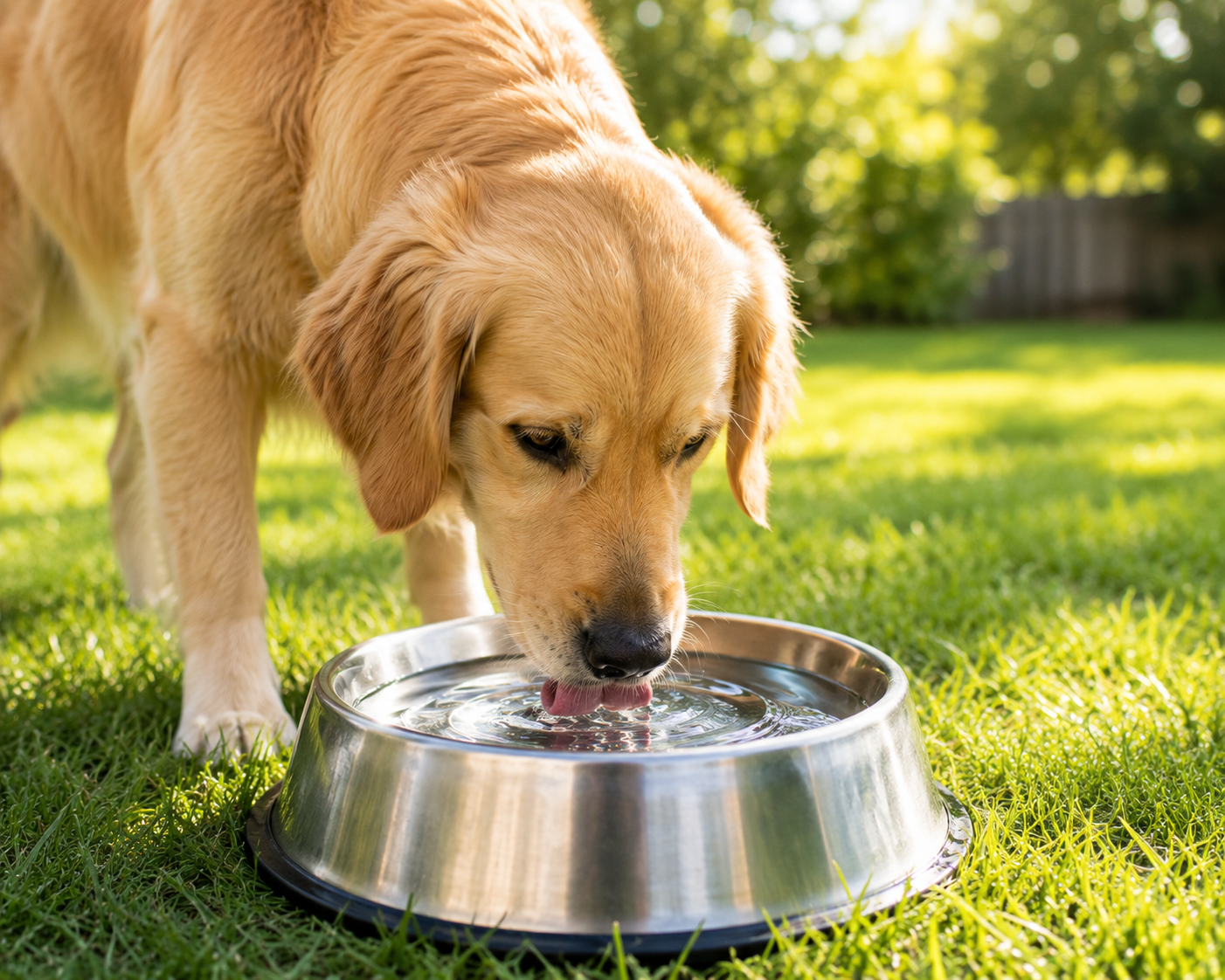
How Long Can a Dog Go Without Water?
Quick Answer: A healthy adult dog should always have access to fresh drinking water. While a dog may survive for up to 72 hours without water under ideal conditions, that’s a biological survival limit—not a safe guideline. In reality, 24 hours without drinking is considered a veterinary emergency, and puppies, senior dogs, and sick dogs can become dangerously dehydrated much sooner. If your dog hasn’t had water for 12 to 24 hours, refuses to drink, or shows signs of dehydration such as dry gums, sunken eyes, weakness, vomiting, or diarrhea, contact your veterinarian immediately. Acting early is much safer than waiting to see if your dog improves. 🚨 Dog Hydration Emergency Guide ✅ Monitor at Home ⚠️ Call Your Veterinarian Today 🚨 Seek Emergency Veterinary Care Immediately Key Takeaways Water is just as important to your dog’s health as food. Every organ in your dog’s body depends on proper hydration to function normally. Even mild dehydration can affect circulation, body temperature, digestion, and kidney function. Many owners ask, “How long can a dog go without water?” The answer depends on your dog’s age, overall health, activity level, and the weather. While some dogs may survive for up to three days without water under ideal conditions, serious dehydration can begin within the first 12 to 24 hours. In this guide, you’ll learn how long dogs can safely go without water, the early signs of dehydration, which dogs are at the greatest risk, how much water dogs need every day, and what to do if your dog refuses to drink. Why You’ll Find This Guide Helpful It’s easy to assume a thirsty dog will simply drink when they need to. Unfortunately, that’s not always true. Illness, pain, nausea, and hot weather can all affect a dog’s ability or desire to drink, allowing dehydration to develop surprisingly quickly. In this guide, you’ll discover: Whether you’re caring for a healthy adult dog, a playful puppy, or a senior companion, this guide will help you recognize dehydration early and know when it’s time to seek veterinary care. How Long Can a Dog Go Without Water? A healthy adult dog may survive for 48 to 72 hours without water under ideal conditions, but this is a biological survival limit—not a safe amount of time to wait. In most cases, dehydration begins much sooner. Within 12 to 24 hours, the body starts losing the fluids it needs to keep the heart, kidneys, and other organs working properly. As dehydration worsens, circulation slows, toxins build up, and the risk of organ damage increases. Here’s a general timeline: Time Without Water What Happens 0–12 hours Mild dehydration may begin, especially in hot weather or after exercise. 12–24 hours Dry gums, reduced energy, and early dehydration become more noticeable. Contact your veterinarian if your dog refuses to drink. 24–48 hours Severe dehydration develops, increasing the risk of kidney damage and shock. Veterinary care is urgently needed. 48–72 hours Life-threatening dehydration and organ failure become increasingly likely. This is a medical emergency. Dogs eating wet food receive some moisture from their meals, but wet food alone isn’t enough to replace drinking water. Takeaway: Never use the 72-hour survival limit as a guideline. If your dog hasn’t had water for 24 hours, seek veterinary care immediately. How to Tell if Your Dog Is Dehydrated Learning to recognize dehydration early can prevent a minor problem from becoming a medical emergency. Common signs of dehydration include: You can also perform two simple checks at home. Gum Moisture Test Lift your dog’s upper lip and gently touch the gums. Healthy gums should: Dry, sticky gums or slow color return may indicate dehydration. Skin Tent Test Gently lift the loose skin between your dog’s shoulder blades and let it go. Healthy skin should spring back immediately. If the skin stays raised or returns slowly, your dog may be dehydrated. These home checks are useful, but they don’t replace a veterinary examination. Takeaway: Dry gums, sunken eyes, or a skin tent that doesn’t quickly return to normal are signs your dog should be seen by a veterinarian. How Much Water Does a Dog Need Every Day? Dogs need fresh water every day to regulate body temperature, support healthy organs, and replace fluids lost through normal activities. A simple guideline is: About 1 ounce of water per pound of body weight each day. For example: Dog Weight Approximate Daily Water Intake 10 lbs 10 ounces 25 lbs 25 ounces 50 lbs 50 ounces (about 6 cups) 75 lbs 75 ounces 100 lbs 100 ounces Some dogs naturally need more water than others. Water requirements increase if your dog: Dogs eating canned food often drink a little less because wet food contains a large amount of moisture. Tracking how much your dog drinks each day can help you notice changes that may signal an underlying health problem. Takeaway: Most dogs need about 1 ounce of water per pound of body weight every day, but activity, diet, and weather can increase that amount. Which Dogs Become Dehydrated Faster? Some dogs lose water much more quickly than others and need closer monitoring. Puppies Puppies have fast metabolisms and small bodies, so even mild vomiting, diarrhea, or refusing water can lead to dehydration within a short time. Senior Dogs Older dogs may drink less because of arthritis, reduced mobility, or age-related illness. They may also lose more water if they have kidney disease or diabetes. Sick Dogs Dogs with vomiting, diarrhea, fever, or nausea lose fluids rapidly and may refuse to drink because they don’t feel well. For puppies, senior dogs, and sick dogs, waiting 24 hours before calling a veterinarian is too long. If they haven’t been drinking for about 12 hours or are showing signs of dehydration, contact your veterinarian as soon as possible. Takeaway: Puppies, older dogs, and sick dogs can become dangerously dehydrated much faster than healthy adult dogs. What to Do if Your Dog Won’t Drink Water If your dog refuses water, don’t panic—but don’t ignore
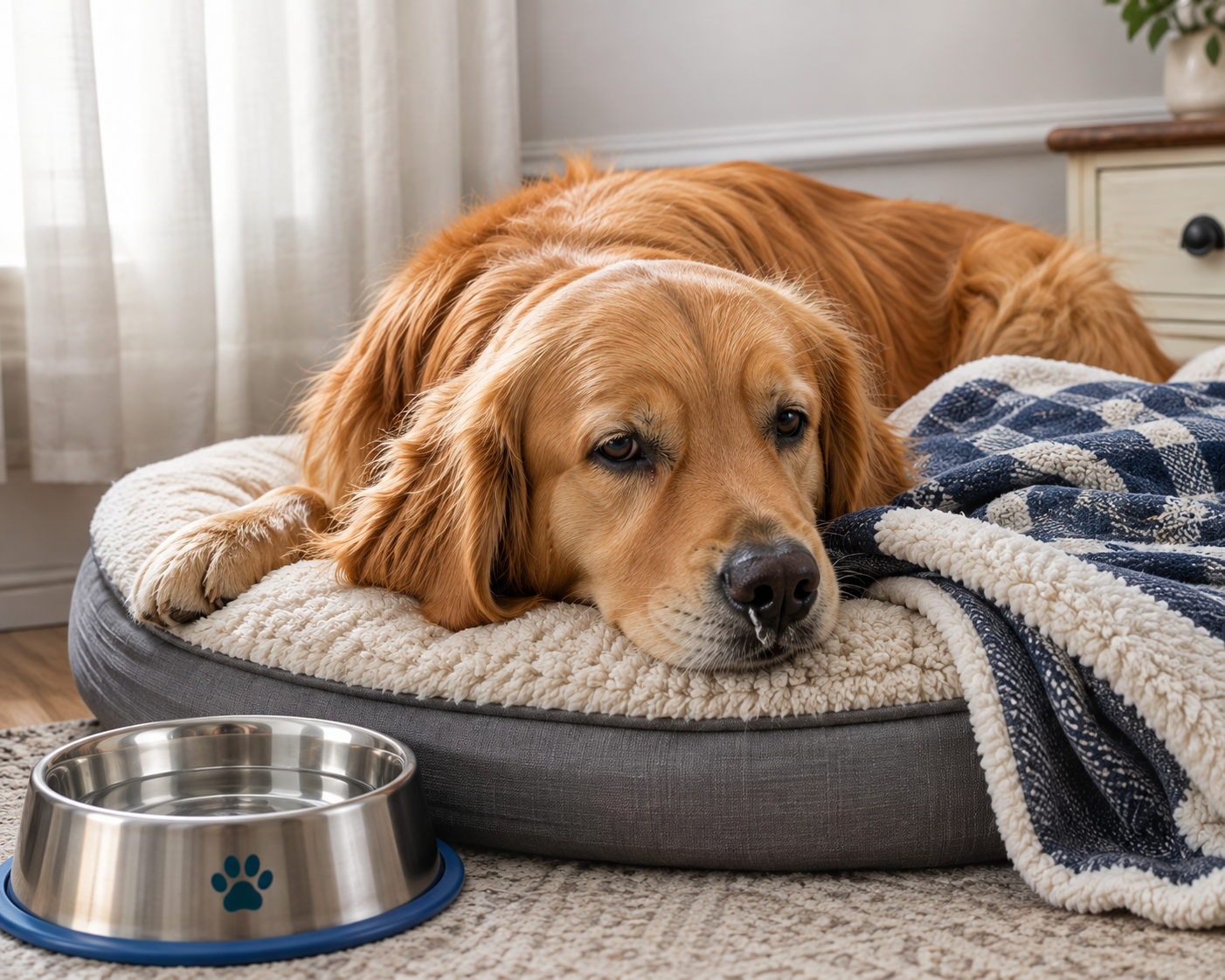
Can Dogs Catch Colds from Humans? Zoonotic Disease Facts
Quick Answer: No, dogs cannot catch the common cold from humans. Human cold viruses, such as rhinoviruses, are species-specific and cannot infect dogs. Instead, dogs develop cold-like symptoms from their own canine respiratory viruses and bacteria, including canine parainfluenza virus and Bordetella bronchiseptica. If your dog is sneezing or coughing while you have a cold, it’s almost certainly a coincidence rather than something you passed on. Dogs catch respiratory illnesses from other dogs, not from people. However, if your dog develops difficulty breathing, refuses to eat, or their symptoms last longer than 10 days, contact your veterinarian. 🚨 Dog Cold or Veterinary Emergency? ✅ Monitor at Home ⚠️ Call Your Veterinarian 🚨 Seek Emergency Veterinary Care Immediately Key Takeaways If you’ve ever had a cold while your dog was curled up beside you, you’ve probably wondered whether they could catch it too. It’s a common concern, especially when your dog starts sneezing or coughing around the same time. The good news is that dogs cannot catch the common cold from humans. Although dogs and people can develop similar symptoms, the viruses responsible are different and are adapted to infect only their own species. In this guide, you’ll learn why dogs can’t catch your cold, what actually causes cold-like symptoms in dogs, how canine respiratory infections spread, what signs to watch for, and when it’s time to call your veterinarian. Why You’ll Find This Guide Helpful Cold-like symptoms in dogs can look very similar to those in people, making it easy to assume the illnesses are the same. In reality, dogs develop respiratory infections from completely different viruses and bacteria. In this guide, you’ll discover: Whether you’re feeling under the weather yourself or your dog has started sneezing and coughing, this guide will help you understand what’s happening and what to do next. Can Dogs Catch Colds from Humans? No. Dogs cannot catch the common cold from humans because the viruses that cause human colds are species-specific. Human cold viruses, such as rhinoviruses, are adapted to infect human cells and cannot reproduce in a dog’s respiratory system. Instead, dogs develop cold-like symptoms from canine-specific viruses and bacteria, including canine parainfluenza virus, Bordetella bronchiseptica, and canine adenovirus. These pathogens spread between dogs, not from people to pets. Although some diseases can pass between humans and animals, the everyday common cold isn’t one of them. COVID-19 has been reported in a small number of dogs, but these infections are usually mild and don’t resemble a typical dog cold. So, if you’re home with a runny nose and your dog starts sneezing too, it’s almost certainly a coincidence rather than something you passed to them. Takeaway: Dogs don’t catch human colds—they catch their own canine respiratory infections. What Are the Symptoms of a Cold in Dogs? Many dog colds look surprisingly similar to human colds, especially during the early stages. Common symptoms include: Most dogs continue drinking water and remain interested in their surroundings, even if they aren’t quite as playful as normal. Watch for these warning signs that suggest a more serious illness: Typical Dog Cold Concerning Signs Clear nasal discharge Thick yellow or green discharge Occasional dry cough Persistent or wet cough Slightly tired Very weak or unwilling to move Normal breathing Rapid or difficult breathing Improves within 7–10 days Lasts longer than 10 days One common myth is that a warm, dry nose means your dog is sick. In reality, the best indicators are changes in breathing, energy level, appetite, and coughing. Takeaway: Mild sneezing and a runny nose often improve with rest, but breathing problems or symptoms lasting longer than 10 days require veterinary care. How Do Dogs Catch Colds? Dogs catch respiratory infections from other infected dogs, not from humans. The viruses and bacteria that cause canine respiratory disease spread through: One of the most common respiratory illnesses is kennel cough, also called Canine Infectious Respiratory Disease Complex (CIRD). Kennel cough often causes a distinctive honking cough that sounds like your dog has something stuck in their throat. It’s usually caused by a combination of viruses and bacteria, with Bordetella bronchiseptica being one of the most common bacterial causes. Fortunately, vaccines are available to help reduce the risk of Bordetella and several other respiratory infections, especially for dogs that regularly socialize with other dogs. Takeaway: Dogs catch colds from other dogs through close contact—not from people. How Long Does a Dog Cold Last? Most mild dog colds improve within 7 to 10 days with supportive care. Some dogs begin feeling better within five days, while others may take up to two weeks to fully recover. During recovery: If symptoms continue beyond 10 days, or your dog starts getting worse instead of better, it’s time to schedule a veterinary examination. A longer illness may mean a secondary bacterial infection or another respiratory condition that requires treatment. Most dog colds are caused by viruses, so antibiotics usually aren’t needed. However, your veterinarian may prescribe antibiotics if a bacterial infection develops. Never give your dog human cold medicine. Ingredients such as acetaminophen, pseudoephedrine, and xylitol can be toxic and may cause life-threatening complications. If your dog develops difficulty breathing, blue or pale gums, collapses, or coughs up blood, seek emergency veterinary care immediately. Takeaway: Most dog colds clear up within 7–10 days, but worsening symptoms or breathing problems should always be treated as an emergency. How to Prevent Colds in Dogs Although you can’t prevent every respiratory infection, there are several simple steps you can take to reduce your dog’s risk. Good prevention includes: Puppies, senior dogs, and dogs with weakened immune systems are more likely to become seriously ill, so preventing exposure is especially important for these groups. Takeaway: Vaccination, good hygiene, and avoiding exposure to sick dogs are the best ways to reduce your dog’s risk of catching a respiratory infection. What Home Remedies Help a Dog with a Cold? Most mild dog colds can be managed at home with supportive care while your dog’s immune system fights the
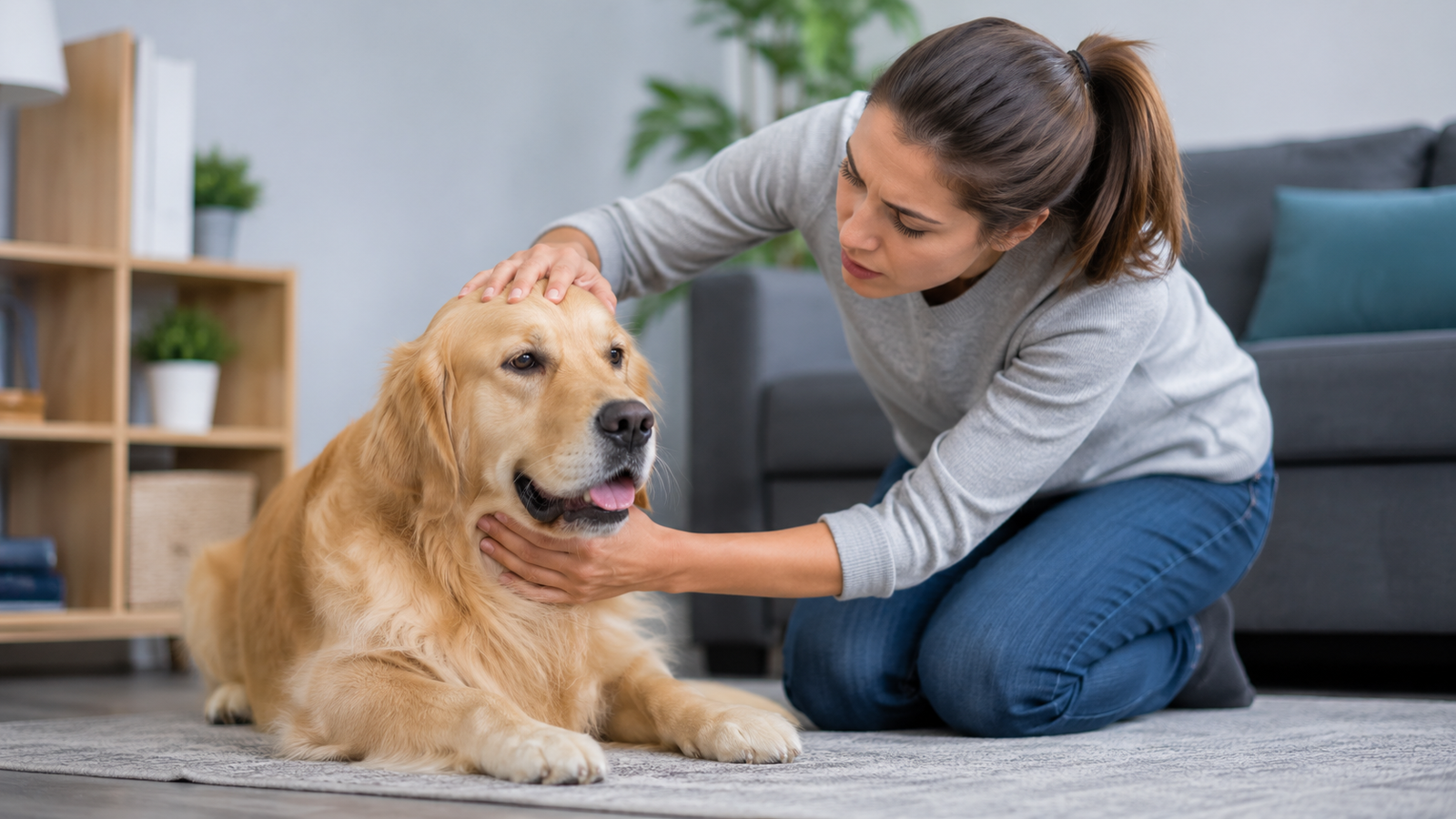
Why Is My Dog Panting? Normal, Stress, or Medical Emergency?
Quick Answer: Panting is your dog’s natural way of cooling down after exercise, excitement, or warm weather. However, if your dog is panting heavily while resting, during the night, or in a cool room, it may be a sign of pain, anxiety, overheating, heart disease, respiratory illness, or another underlying medical condition. Normal panting usually settles within 10–20 minutes after activity. If the panting is sudden, severe, or occurs alongside symptoms such as pale gums, collapse, vomiting, or difficulty breathing, seek veterinary care immediately. Key Takeaways Quick Urgency Guide Quick Urgency Guide: Is Your Dog’s Panting Normal? Situation Likely Cause What You Should Do 🟢 Panting after exercise or excitement Normal cooling Let your dog rest in a cool area and offer fresh water. Panting should improve within 10–20 minutes. 🟡 Panting while resting or in a cool room Pain, stress, illness, or another underlying issue Monitor your dog closely and contact your veterinarian if the panting continues or worsens. 🔴 Heavy panting with pale gums, collapse, vomiting, bloating, or difficulty breathing Medical emergency Seek emergency veterinary care immediately. Owner Tip: If your dog’s panting seems unusual for them—even if you can’t identify the cause—it’s safest to contact your veterinarian for guidance. Why Is My Dog Panting? Panting is a normal way for dogs to regulate their body temperature because they have very few sweat glands. Instead of sweating like humans, dogs cool themselves by rapidly moving air over the moist surfaces of their tongue, mouth, and upper respiratory tract. While panting after exercise, excitement, or warm weather is expected, excessive or unexplained panting can be a sign that something isn’t right. Looking at when your dog is panting and whether other symptoms are present can help determine if the behavior is normal or needs veterinary attention. Normal Causes of Panting Your dog may pant for several harmless reasons, including: In these situations, panting usually improves once your dog has rested, cooled down, or relaxed. Abnormal Causes of Panting Panting that occurs while your dog is resting or continues without an obvious reason may be caused by: If your dog also appears weak, restless, or has trouble breathing, veterinary evaluation is recommended. 🩺 Vet Insight: Panting by itself doesn’t always indicate an emergency. Veterinarians evaluate additional signs—such as breathing effort, gum color, heart rate, temperature, and recent activity—to determine whether the panting is normal or a symptom of illness. When Is Panting an Emergency? Although many cases of panting are harmless, some require immediate veterinary care. The key is to look for other symptoms that occur alongside panting. Seek emergency veterinary care immediately if your dog has: Common Emergency Conditions Condition Warning Signs Heatstroke Heavy panting, drooling, weakness, collapse Bloat (GDV) Swollen abdomen, pacing, unsuccessful attempts to vomit Poisoning Panting, shaking, vomiting, excessive drooling Heart Disease Panting at rest, coughing, exercise intolerance Respiratory Disease Labored breathing, noisy breathing, blue gums What To Do If Your Dog Is Panting Heavily If your dog begins panting excessively, stay calm and assess the situation before taking action. Step 1: Move Your Dog to a Cool Area Take your dog out of direct sunlight and into a shaded or air-conditioned space. Avoid strenuous activity and encourage them to rest. Step 2: Offer Fresh Water Provide small amounts of cool, fresh water. Do not force your dog to drink, especially if they appear weak or nauseated. Step 3: Check for Other Symptoms Look for warning signs such as: These symptoms may indicate a medical emergency. Step 4: Contact Your Veterinarian If the panting continues without an obvious cause or is accompanied by concerning symptoms, call your veterinarian immediately for advice. Step 5: Transport Your Dog Safely If emergency care is needed, keep your dog calm during transport. Avoid overheating the vehicle, and bring any medications or relevant medical history if available. 🐾 Owner Tip: Never cool an overheated dog with ice-cold water. Use cool (not icy) water or cool, damp towels while seeking veterinary care, as rapid cooling can sometimes worsen the situation. Preventing Future Panting Episodes While not every cause of panting can be prevented, many episodes are avoidable with proper care and attention to your dog’s health and environment. Here are some simple ways to reduce the risk of excessive panting: Keeping your dog cool, comfortable, and healthy can significantly reduce the risk of heat-related illnesses and other conditions that cause excessive panting. 🐾 Owner Tip: Brachycephalic breeds such as Bulldogs, Pugs, and Boston Terriers are more prone to overheating because of their shortened airways. These dogs should be exercised carefully, especially during warm weather. Common Mistakes to Avoid When a dog starts panting heavily, well-meaning owners sometimes make decisions that delay treatment or make the situation worse. Avoid these common mistakes: Recognizing the warning signs early and acting quickly can make a significant difference in your dog’s recovery. Frequently Asked Questions Why is my dog panting at night? Occasional panting during sleep may occur after dreaming or changing positions. However, frequent nighttime panting can be associated with pain, anxiety, heart disease, respiratory problems, or cognitive decline in older dogs. If the behavior becomes persistent, consult your veterinarian. Why is my dog panting while resting? Panting while resting is not always normal. It may be caused by pain, stress, overheating, medications, heart disease, or another medical condition. If the panting is persistent or accompanied by other symptoms, veterinary evaluation is recommended. Can stress or anxiety cause excessive panting? Yes. Dogs experiencing stress or anxiety may pant even when they are not hot. Other signs often include pacing, trembling, yawning, lip licking, or hiding. Removing the source of stress may help, but persistent anxiety should be discussed with your veterinarian. How long should a dog pant after exercise? Most healthy dogs stop panting within 10 to 20 minutes after resting in a cool environment with access to fresh water. Panting that continues beyond 30 minutes or becomes more intense should be evaluated by a veterinarian. Why is my senior dog panting so much?
Can Dogs Have Autism? Understanding Canine Behavioral Differences
Quick Answer: Dogs cannot be formally diagnosed with autism, but they can exhibit autism-like behaviors. Veterinary behaviorists refer to these patterns as canine dysfunctional behavior (CDB). Dogs with CDB may show social withdrawal, repetitive actions, and heightened sensitivity to sensory stimuli, which mirror symptoms seen in human autism spectrum disorder. Key Takeaways: 🚨 Urgency Triage Box: When to Seek Veterinary Care Exploring the Enigma of Canine ‘Autism’ What is autism in dogs, and is it common? While dogs cannot be diagnosed with autism spectrum disorder (ASD) as humans can, they can display repetitive and antisocial behaviors that closely resemble the condition. Veterinary professionals instead use the term canine dysfunctional behavior (CDB) to describe these patterns, which are not common but are recognized in behavioral medicine. The concept of “canine autism” has gained attention as veterinary behaviorists observe dogs exhibiting behaviors similar to autism in humans. Instead of a formal diagnosis, CDB serves as a framework for understanding canine behaviors that deviate from the norm. Many owners search for information about autism dogs, wondering if their pet’s quirks are signs of a deeper disorder. Research suggests that while dogs exhibiting autism-like behaviors exist, the prevalence is relatively low compared to other behavioral conditions like anxiety or canine compulsive disorder (OCD) 1. Understanding canine behaviors requires looking at the intersection of genetics, environment, and neurology. Dogs display behaviors that might seem odd, but true CDB involves persistent, inflexible patterns that interfere with a dog’s quality of life. Such behaviors often include a lack of social competence and difficulty adapting to change 3. Signs of Autism-like Behaviors in Dogs What are the signs of autism in dogs? Dogs exhibiting autism-like behaviors often show signs of social withdrawal, repetitive actions, and unusual responses to sensory stimuli. These symptoms are collectively referred to as canine dysfunctional behavior, and they can vary widely in severity from one dog to another. Recognizing the signs of CDB early can help owners provide better support. Common signs include: Many owners don’t realize that these signs can overlap significantly with other conditions. For example, a dog spinning in circles might just be bored, or it could be a sign of canine compulsive disorder. A common mistake is assuming a dog is just “quirky” when they are actually experiencing anxiety or a neurological issue. If your dog displays behaviors resembling autism, it is crucial to document the frequency and triggers of these actions. Can Dogs Be Diagnosed with Autism? Can dogs be diagnosed with autism, and how much does dog autism testing cost? Dogs cannot be formally diagnosed with autism because the diagnostic criteria for autism spectrum disorder (ASD) are specific to humans. However, veterinary behaviorists can diagnose canine dysfunctional behavior (CDB) through detailed behavioral histories and observations, with consultations typically costing between $200 and $500 depending on the specialist and region. Diagnosing CDB is challenging because there is no definitive blood test or brain scan for the condition. Instead, the process relies heavily on the owner’s observations and the vet’s clinical assessment. A veterinary behaviorist will look for persistent patterns of social deficits, repetitive behaviors, and sensory issues that cannot be better explained by another medical or behavioral condition 1. The field is still developing its diagnostic framework for dysfunctional behavior CDB. Vets often use non-invasive electroencephalography (EEG) to study canine cognitive processes, which aids in understanding the neural underpinnings of behaviors similar to autism in dogs 4. If you are concerned about the cost, start with a standard veterinary visit to rule out underlying medical issues before seeking a specialized behaviorist. How Is Canine Autism Different from Human Autism? How is canine autism different from human autism? The primary difference is that human autism is a formally recognized neurodevelopmental disorder with established diagnostic criteria, whereas canine autism is an informal term for behaviors resembling autism, officially termed canine dysfunctional behavior (CDB). While both share traits like social challenges and repetitive behaviors, the cognitive and emotional complexities of human autism are far more intricate. Comparisons to human autism traits help researchers understand both species. In humans, autism spectrum disorder (ASD) involves complex differences in communication, social interaction, and restricted interests. Dogs exhibiting autism-like behaviors show parallel traits, such as reduced attention to human eyes and difficulty with social interactions 3. However, we cannot know if a dog experiences the world the same way a human with autism does. Research into autism-like behaviors dogs provides valuable insights into human autism. Studying the shared genetic factors and behavioral similarities helps scientists develop better therapies for both humans and affected dogs 2. While the label “canine autism” is used colloquially, it’s important to remember that dogs do not have the same self-reflective cognitive abilities as humans. What Causes Autism-like Behaviors in Dogs? What causes autism-like behaviors in dogs, and which dog breeds are prone to autism? The exact causes of canine dysfunctional behavior (CDB) are not fully understood, but research points to a combination of genetic mutations and environmental factors. Certain breeds, particularly Beagles and Bull Terriers, have been studied for genetic links to autism-like traits and repetitive behaviors. Exploring the causes behind CDB reveals fascinating genetic insights. A significant study at Peking University introduced mutations in the SHANK3 gene in Beagle dogs, a gene strongly associated with autism in humans. The mutant dogs exhibited social deficits, reduced human interaction, and increased anxiety, suggesting a direct genetic link to autism-like behaviors in canines 2. Beyond genetics, environmental factors like early trauma, lack of socialization, or chronic stress can contribute to behaviors similar to autism. Conditions like canine cognitive dysfunction (CCD) in older dogs can also mimic some of these symptoms. Understanding the root cause is essential for managing the disorder effectively. Autism vs. Anxiety in Dogs What is the difference between autism and anxiety in dogs? Autism-like behaviors (CDB) in dogs are characterized by persistent social deficits and repetitive actions, whereas anxiety is typically triggered by specific situations or stimuli, causing fear, restlessness, and avoidance. While they can look similar, anxiety is
Why Is My Dog Coughing? Causes, Sounds & When to Worry
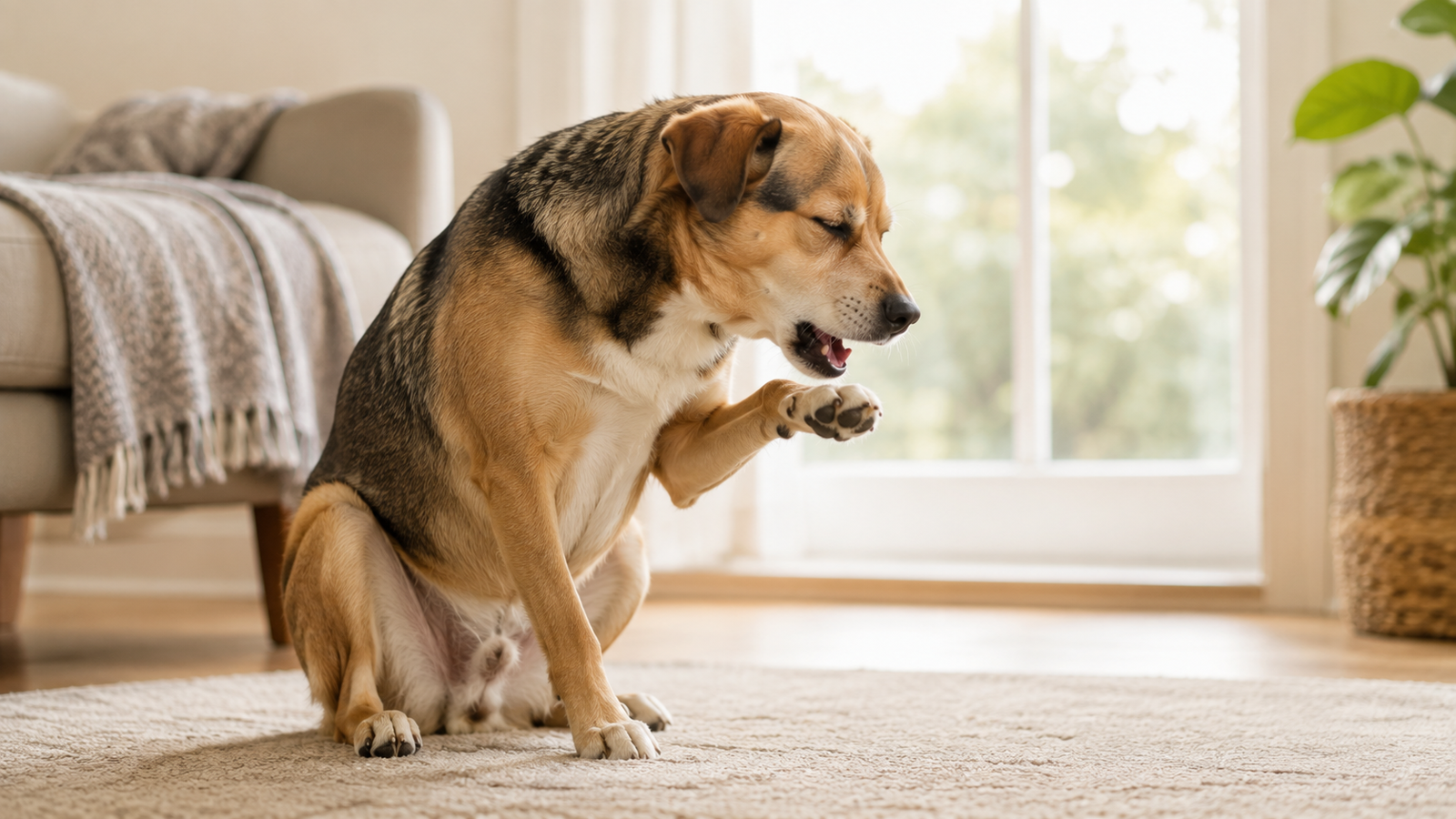
Quick Answer: Dogs cough for many different reasons, from mild throat irritation to respiratory infections, heart disease, or problems affecting the lungs. Common causes include kennel cough, allergies and environmental irritants, foreign objects, heart disease, pneumonia, and tracheal collapse. The type of cough matters too. A dry, hacking, or honking cough can have different causes from a wet or gurgling cough. An occasional mild cough in an otherwise healthy dog may be something you can monitor briefly. However, a cough that becomes persistent or worse, or occurs with lethargy, appetite loss, nasal discharge, or breathing difficulty, should be evaluated by a veterinarian. If your dog is struggling to breathe, has blue, gray, or very pale gums, coughs up blood, collapses, or cannot rest because of the coughing, seek emergency veterinary care immediately. Dog Coughing Triage Guide Monitor at Home Call Your Vet Today Go to Emergency Now Occasional dry cough Cough lasting 3–7 days Labored or rapid breathing Normal energy and appetite Reduced appetite Blue, gray, or pale gums No breathing difficulty Mild lethargy Coughing up blood Coughing for under 72 hours Cough getting worse Collapse or fainting Nasal discharge Can’t rest because of coughing This guide is a starting point, not a diagnosis. If you’re unsure about your dog’s symptoms, contact your veterinarian. Key Takeaways What Causes a Dog to Cough? Coughing is a protective reflex that helps clear the airways of irritants, mucus, or foreign material. The cause can be something relatively minor, such as dust or throat irritation, or a more serious condition affecting the respiratory system or heart. Common causes include: Kennel cough:Also called infectious tracheobronchitis, kennel cough is a contagious respiratory infection that commonly spreads where dogs gather, including boarding facilities, dog parks, and grooming facilities. Allergies and irritants:Dust, pollen, smoke, and strong odors can irritate sensitive airways and trigger coughing. Foreign objects:Grass awns, food, or small objects can become lodged in the throat or airway. Heart disease:Heart disease can contribute to coughing, particularly in older dogs and some small breeds. An enlarged heart may affect the airway, while heart failure can cause fluid to accumulate in the lungs. Pneumonia and lung infections:Respiratory infections can cause inflammation and fluid in the lungs. Tracheal collapse:This condition is particularly common in toy breeds and can produce a characteristic honking cough. Breeds That May Be More Prone to Coughing Some dogs are predisposed to particular respiratory or cardiac conditions. Toy breeds such as Chihuahuas, Pomeranians, and Yorkshire Terriers can be prone to tracheal collapse. Flat-faced breeds such as Pugs, French Bulldogs, and Bulldogs can have airway problems. Cavalier King Charles Spaniels are prone to mitral valve disease, while some larger breeds can develop heart conditions associated with coughing. Takeaway: Your dog’s age, breed, recent exposure to other dogs, and the sound of the cough can all provide useful clues, but they cannot replace a veterinary diagnosis. When Should I Take My Coughing Dog to the Vet? Not every cough is an emergency, but you should pay attention to how long it lasts and whether other symptoms appear. A mild, dry cough in an otherwise healthy dog may sometimes be monitored briefly. Your source suggests watching a mild cough for up to about 72 hours, while a cough lasting more than several days or becoming worse warrants veterinary attention. Contact your veterinarian if your dog’s cough: It can also help to record when the cough happens. Note whether it occurs after eating, during exercise, at night, or after your dog gets excited. A short video of the cough can also be extremely useful to your veterinarian. Emergency Signs Some symptoms require immediate veterinary attention. Go to an emergency veterinarian if your dog has: These signs can indicate a serious problem with breathing or circulation. Do not wait to see whether these symptoms disappear on their own. What Does Kennel Cough Sound Like? Kennel cough often produces a dry, hacking or honking cough. Many owners describe it as sounding like a goose honk or as though something is stuck in the dog’s throat. Some dogs gag or retch at the end of a coughing episode, which can make it look like they are trying to vomit. The cough may initially be dry and can sometimes become more productive as the illness progresses. How Long Does Kennel Cough Last? Your source states that many cases resolve within approximately 1–3 weeks. Puppies, senior dogs, and dogs with weakened immune systems can be more vulnerable to complications such as pneumonia. Is Kennel Cough Contagious? Yes. Kennel cough can spread easily between dogs through respiratory droplets and contaminated surfaces. If your dog develops a suspected contagious respiratory infection, keep them away from other dogs and contact your veterinarian for advice. What’s the Difference Between a Dry and Wet Cough? The sound of your dog’s cough can provide clues about what may be happening. Cough Type Sound Possible Causes Dry, hacking Sharp or harsh Kennel cough, allergies, tracheal collapse Wet, gurgling Moist or productive Pneumonia, bronchitis, fluid in the lungs Gagging/retching Throat-clearing or retching Foreign object, kennel cough, throat irritation Honking Goose-like Tracheal collapse, kennel cough A wet or productive cough can be more concerning because it may indicate fluid or inflammation affecting the lower respiratory tract. Important: The sound alone cannot tell you exactly what is wrong. A veterinarian may need to examine your dog and perform diagnostic tests. Is My Dog Coughing or Gagging? Coughing and gagging can look very similar. Coughing is a forceful expulsion of air from the respiratory tract. Gagging is more of a reflex involving the back of the throat and can look like dry heaving. Dogs with kennel cough may gag or retch after a coughing fit, which is one reason owners sometimes mistake coughing for vomiting. Repeated gagging without a typical cough can have different causes, including throat irritation or a foreign object. If your dog is repeatedly gagging, pawing at their mouth, drooling excessively, or struggling to breathe, seek veterinary care. Helpful Tip Record a

Why Is My Dog Throwing Up? Causes, Vomit Colors & When to Worry
Quick Answer Dogs can throw up for many reasons, from eating something they shouldn’t have or eating too quickly to infections, pancreatitis, toxins, intestinal blockages, and other medical conditions. A single episode in an otherwise alert, comfortable adult dog may not be serious, but repeated vomiting, blood in the vomit, severe pain, a swollen abdomen, or suspected toxin or foreign-object ingestion needs prompt veterinary attention. The appearance of the vomit can provide useful clues, but color alone cannot diagnose the cause. Your dog’s overall condition, how often they are vomiting, and any other symptoms are just as important. Key Takeaways Is Dog Vomiting Serious or Normal? It depends on how often your dog vomits and how they behave afterward. A dog that vomits once after eating grass or gulping food too quickly and then returns to normal may simply need monitoring. Vomiting becomes more concerning when it is repeated or accompanied by: Dog Vomiting Urgency Guide Situation What to Do Single vomit, dog alert and otherwise normal Monitor closely Vomiting repeatedly or mild lethargy Contact your vet Blood in vomit Veterinary attention promptly Severe pain or bloated abdomen Emergency veterinary care Suspected toxin ingestion Contact a veterinarian immediately Suspected foreign object Veterinary assessment promptly Puppy or senior dog vomiting repeatedly Contact your vet promptly This is a general guide rather than a diagnosis. When your dog appears seriously ill, don’t wait for symptoms to become more severe. What Causes Dogs to Throw Up? There are many possible causes, and they range from mild stomach upset to emergencies. Common dietary causes Medical causes More serious causes Motion sickness can also cause vomiting, particularly in puppies. Vomiting vs. Regurgitation: What’s the Difference? Vomiting and regurgitation can look similar, but they happen differently. Vomiting is an active process. A dog may show nausea, abdominal contractions, retching, and then forcefully expel stomach contents. Regurgitation is passive. Food or liquid comes back up without the same abdominal effort or retching. Feature Vomiting Regurgitation Abdominal effort Usually present Usually absent Nausea beforehand Common Usually absent Food Partly digested or digested Often undigested Main origin Stomach/upper digestive tract Esophagus If your dog repeatedly brings up undigested food without heaving, tell your veterinarian. The distinction can help guide diagnosis. What Do Different Colors of Dog Vomit Mean? Vomit color can provide clues, but it should never be used on its own to diagnose your dog. Vomit Color Possible Meaning What to Do Yellow Bile, often when the stomach is empty Monitor if isolated; vet if persistent White foam Stomach irritation or other causes Monitor; vet if repeated Brown Food or digestive material; occasionally more serious causes Vet if persistent, dark, or foul-smelling Bright red Fresh blood Contact your vet promptly Dark/coffee-ground material Digested blood Urgent veterinary attention Green Bile or something the dog ate, such as grass Monitor if isolated; vet if repeated Clear/watery Stomach fluid or water Monitor if isolated; vet if repeated Yellow vomit commonly contains bile, which can appear when the stomach is empty. Important: If you see blood or dark material that resembles coffee grounds, don’t assume it is simply something your dog ate. Why Does My Dog Throw Up on an Empty Stomach? Some dogs vomit yellow bile after going a long time without eating. This can happen because bile enters the stomach and contributes to irritation. It is sometimes referred to as bilious vomiting syndrome. For some dogs, feeding smaller meals more frequently or offering a small bedtime snack may help. However, repeated yellow vomiting should still be discussed with your veterinarian, particularly if your dog also has appetite changes, weight loss, diarrhea, pain, or lethargy. Acute vs. Recurrent Vomiting A sudden episode of vomiting is different from vomiting that keeps returning. Acute vomiting This starts suddenly and may resolve within a short period, particularly when caused by dietary indiscretion or another temporary stomach upset. Recurrent or chronic vomiting Vomiting that keeps happening over days, weeks, or months deserves veterinary investigation. Possible underlying causes include: A dog that repeatedly vomits should not simply be labelled as having a “sensitive stomach.” Can Dog Food Cause Vomiting? Yes. A sudden change in food can upset a dog’s digestive system. Dogs may also vomit after overeating, eating too quickly, or eating something they don’t tolerate. When changing foods, transition gradually rather than switching overnight. Food intolerance or allergy can also contribute to recurring digestive problems. If you notice a consistent pattern after a particular food, discuss it with your veterinarian before starting an elimination diet. Exercise After Eating Heavy activity immediately after a large meal may also cause digestive upset and can be particularly concerning in dogs at risk of bloat. Avoid vigorous exercise immediately after large meals, especially in deep-chested breeds. Can Stress or Anxiety Make Dogs Throw Up? Yes, stress can contribute to nausea and vomiting in some dogs. Potential triggers include: If your dog repeatedly vomits in a predictable stressful situation, discuss both the digestive symptoms and the underlying anxiety with your veterinarian. What Should I Do If My Dog Is Vomiting? For a single mild episode in an otherwise healthy adult dog, careful monitoring may be appropriate. 1. Give the Stomach a Short Break The original draft recommends withholding food for 2–4 hours after vomiting in an otherwise healthy adult dog. Do not apply this approach automatically to puppies, diabetic dogs, very small dogs, or dogs with medical conditions without veterinary advice. 2. Offer Water Carefully Keep your dog hydrated, but discourage them from gulping a large quantity at once if that triggers more vomiting. Offer small amounts frequently. 3. Reintroduce Food Gradually If vomiting has stopped, the original draft recommends introducing a small amount of bland food such as plain boiled chicken and white rice, followed by small meals. 4. Monitor Closely Watch for: Never Give Human Medication Without Veterinary Advice Do not give your dog human medications such as ibuprofen, aspirin, or anti-nausea medication unless your veterinarian specifically tells you to. Some human medicines can be dangerous or