
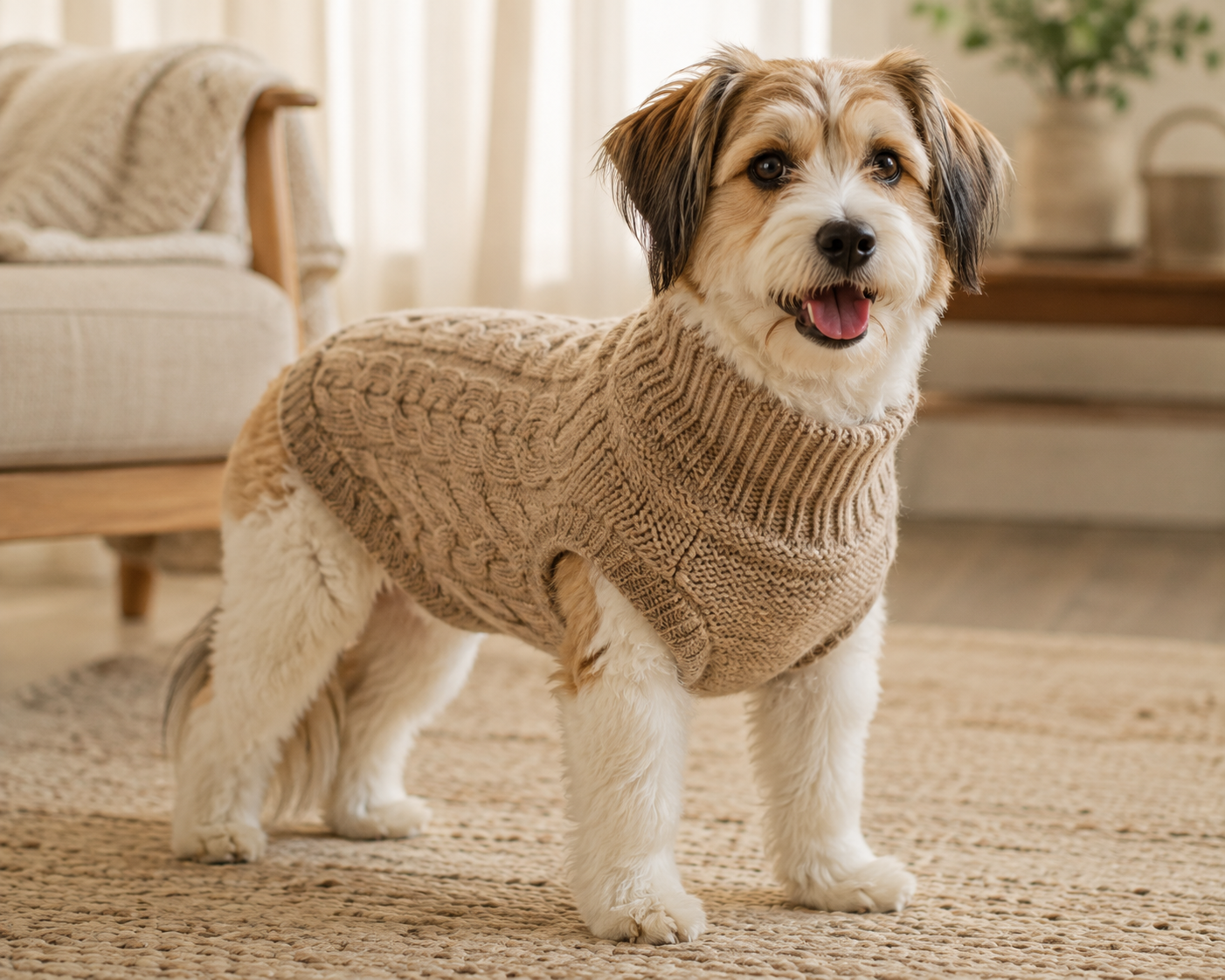
Quick Answer: Finding the right dog coat knitting pattern starts with your dog’s measurements and your knitting skill level. Beginners can start with simple flat-knit designs using basic stitches, while experienced knitters can try shaped coats, cables, collars, and hoods. Before you begin, measure your dog’s chest girth, neck circumference, and back length. A gauge swatch is also important because your knitting tension can change the finished size. For most dog coats, washable worsted or bulky-weight acrylic, superwash wool, or suitable blends are practical choices. A simple coat may take several hours to complete, depending on your dog’s size, the yarn, and the pattern. Key Takeaways Why Knit Your Own Dog Coat? Knitting your own dog coat gives you control over the fit, yarn, color, and design. A ready-made coat may not fit every dog perfectly, especially dogs with unusual body shapes. When you knit the coat yourself, you can adjust the length, chest opening, neckline, belly coverage, and fastenings. You can also choose a yarn that feels comfortable against your dog’s coat and skin. Benefits of knitting your own coat The main downside is time. A handmade coat takes longer than buying one ready-made. A knitted coat may also not provide the same waterproof protection as a purpose-made outdoor dog coat. If your dog needs protection from heavy rain or wet conditions, a waterproof commercial coat may be more practical. How to Measure Your Dog and Choose the Right Coat Size Before casting on, measure your dog carefully. You’ll need three main measurements. Chest Girth Measure around the widest part of your dog’s chest, usually directly behind the front legs. This is one of the most important measurements because the coat needs to fit securely without restricting movement. Neck Circumference Measure around the base of your dog’s neck where the neckline will sit. Keep the measuring tape comfortable rather than pulling it tightly. Back Length Measure from the base of the neck to the base of the tail. This determines how much of your dog’s back the coat will cover. Example Size Guide Dog Size Chest Girth Back Length Suggested Yarn Weight Small 14–18 in 8–12 in DK or Worsted Medium 19–24 in 13–18 in Worsted Large 25–32 in 19–26 in Bulky These measurements are only a general starting point. Always compare your dog’s measurements with the specific pattern’s sizing chart. Don’t Choose a Size by Breed Alone Dogs of the same breed can have different body shapes and chest depths. Your dog’s actual measurements are more useful than simply choosing a pattern labeled “Labrador” or “Chihuahua.” Make a Gauge Swatch Even if you’ve chosen the correct size, your coat can still come out too large or too small if your knitting tension doesn’t match the pattern. Make a gauge swatch before starting and adjust your needle size if necessary. Best Beginner Dog Coat Knitting Patterns and Stitches If you’re new to knitting dog clothing, choose a pattern that uses basic stitches and minimal shaping. Knit Stitch The basic knit stitch is enough for many simple dog coat patterns. Purl Stitch The purl stitch can be combined with the knit stitch to create texture and patterns. Garter Stitch Garter stitch is made by knitting every row. It creates a stretchy, textured fabric and is one of the easiest choices for beginners. Stockinette Stitch Stockinette alternates knit and purl rows to create a smooth surface. It gives a classic knitted appearance, although the edges can curl if they aren’t finished properly. Ribbing Ribbing alternates knit and purl stitches and creates a stretchy edge. It’s particularly useful around neck openings. What Makes a Good Beginner Pattern? Look for a pattern with: A simple flat-knit rectangle with a belly strap can be an excellent first project. How to Knit a Dog Coat Step by Step Most simple dog coats can be broken into a few basic stages. 1. Knit a Gauge Swatch Cast on approximately 20 stitches and knit a small swatch. Measure your stitches per inch and compare them with the pattern instructions. 2. Cast On the Body Using the measurements and gauge required by your pattern, cast on the correct number of stitches. Work the main back panel according to the pattern. 3. Shape the Chest Some patterns use increases or decreases to shape the chest. Simpler designs may use a separate belly flap or strap instead. Follow the instructions for your chosen pattern carefully. 4. Bind Off and Block Once you’ve completed the coat, bind off the stitches. If the yarn and pattern allow blocking, gently shape the coat to the correct dimensions and allow it to dry flat. 5. Add the Fastening Finish the coat with an appropriate fastening. Options include: Make sure the fastening is securely attached and doesn’t interfere with your dog’s movement. Best Yarn for Knitting Dog Coats The best yarn depends on the weather, your dog’s comfort, and how often the coat will need washing. Acrylic Acrylic yarn is affordable, durable, and generally easy to care for. It’s a practical choice for a coat that may get muddy during walks. Superwash Wool Superwash wool can provide warmth while being easier to wash than untreated wool. Wool Blends Wool blends can combine warmth with durability and may be easier to care for than some pure wool yarns. Cotton Cotton is breathable and washable, but it generally has less elasticity and warmth than wool or acrylic. What Should You Look For? For most dog coats, choose yarn that is: If your dog has sensitive skin, choose a soft yarn and watch for signs of irritation. Dog Coat Customization Ideas Once you’ve mastered a basic coat, you can personalize it in several ways. Add a Belly Strap A belly strap can help keep the coat from slipping sideways or falling off. Add a Collar Pick up stitches around the neck opening and work a few inches of ribbing. Bind off loosely so the collar remains comfortable. Add a Hood For a simple hood, knit a rectangle
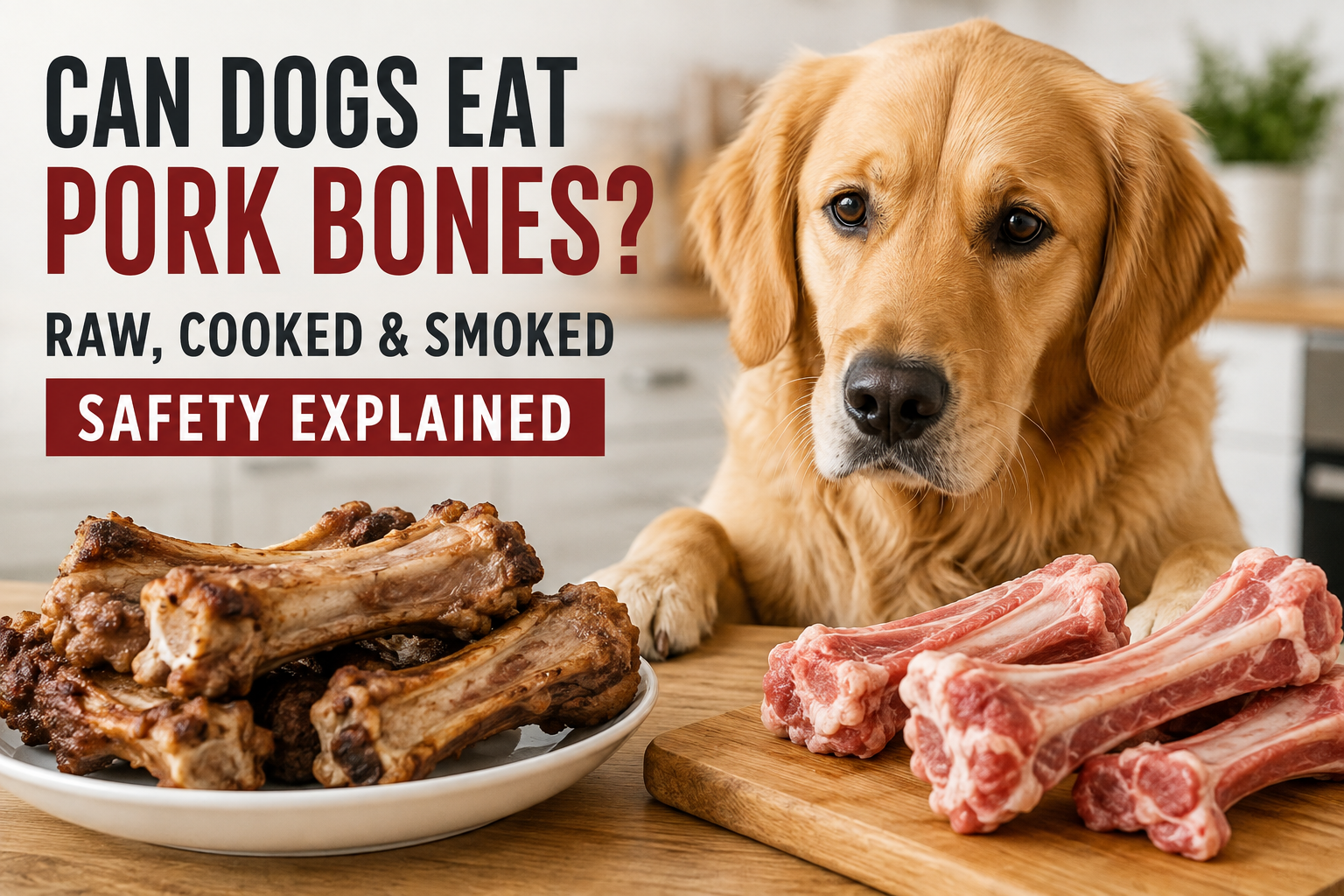
Can Dogs Eat Pork Bones? Raw, Cooked & Smoked Bone Safety
Quick Answer: Dogs should not eat cooked, smoked, roasted, or boiled pork bones. Cooking makes bones more brittle, increasing the risk that they break into sharp pieces that can cause choking, mouth injuries, intestinal blockages, or internal injuries. Raw pork bones are different because they are less likely to splinter in the same way, but they are not risk-free. Raw bones can carry bacteria and parasites and can still cause choking, dental injuries, or digestive problems. If your dog has eaten a pork bone, especially a cooked or smoked one, contact your veterinarian for advice rather than waiting for symptoms to appear. Quick Safety Reference: Pork Bones & Dogs Bone Type Recommendation Main Concern Raw pork bones ⚠️ Avoid unless your vet approves Bacteria, parasites, choking, dental injury Cooked pork bones ❌ No Splintering, choking, internal injury Smoked pork bones ❌ No Brittle bone and splintering Pork rib bones ❌ No Thin pieces can break into sharp fragments Store-bought raw bones ⚠️ Discuss with your vet Size, chewing behavior, bacteria, and injury risk The safest choice is to avoid pork bones altogether and use an appropriate chew or dental product instead. Key Takeaways Can Dogs Eat Pork Bones? What Are the Risks? The simple answer is no for cooked pork bones. When pork bones are cooked, they become brittle and can break into sharp fragments. A dog may swallow these pieces before you have a chance to intervene. Those fragments can cause several problems, including: Choking A whole bone or broken fragment can become lodged in the throat. This is especially concerning with smaller dogs or dogs that tend to swallow things quickly. Mouth and tongue injuries Sharp fragments can cut the gums, tongue, or other tissues inside the mouth. Digestive tract injuries Sharp pieces can potentially injure the stomach or intestines as they move through the digestive tract. Intestinal blockage A piece of bone that does not pass normally can become lodged and cause an obstruction. Bacterial and parasite exposure Raw pork bones can carry bacteria such as Salmonella and may also carry parasites. This is why simply choosing a raw bone instead of a cooked bone does not remove every risk. Bottom line: Cooked pork bones should never be given to dogs. Raw pork bones also require caution and veterinary guidance. Raw vs. Cooked vs. Smoked Pork Bones Not all pork bones have the same mechanical risks, but none should be treated as a completely risk-free chew. Cooked Pork Bones Avoid them. Cooking changes the structure of bone and makes it more brittle. When a dog chews the bone, it can break into sharp fragments. This includes pork bones that have been: The fact that the bone came from food your dog can otherwise eat does not make the bone itself safe. Smoked Pork Bones Avoid them too. Smoked pork bones have been exposed to heat during processing, so they can have the same splintering concern as other cooked bones. The fact that a smoked bone is sold in a pet store doesn’t automatically mean it is safe for every dog. If you’re considering a bone-based chew, check with your veterinarian and consider safer alternatives. Raw Pork Bones Raw bones are less brittle than cooked bones and are therefore less likely to produce the same type of sharp splinters. However, that doesn’t make raw pork bones risk-free. Potential concerns include: Your dog’s chewing style and the size and shape of the bone also matter. For these reasons, I would not recommend casually giving a dog a raw pork bone simply because it hasn’t been cooked. If you are considering raw bones for your dog, talk with your veterinarian first. Pork Rib Bones Pork rib bones deserve extra caution because they are relatively thin. Once cooked, they can break into small, sharp pieces that may be easy for a dog to swallow. For that reason, cooked pork rib bones should never be offered as treats. What to Do If Your Dog Eats a Pork Bone If your dog has swallowed a pork bone, don’t assume everything will be fine simply because your dog looks normal at first. The appropriate response depends on the type and size of the bone, how much was eaten, and your dog’s size and health. Contact your veterinarian promptly if: Watch for concerning signs such as: Seek emergency veterinary care if your dog: Do not try to make your dog vomit unless a veterinarian specifically tells you to do so. Safer Alternatives to Pork Bones If your dog loves to chew, you don’t have to give them a bone to satisfy that instinct. Consider alternatives such as: Rubber chew toys Durable rubber toys can provide a chewing activity without the sharp fragments associated with cooked bones. Choose a size appropriate for your dog and inspect the toy regularly for damage. Veterinarian-approved dental chews Some dental chews are specifically designed to encourage chewing while supporting dental hygiene. Ask your veterinarian which type is appropriate for your dog’s size and chewing habits. Other appropriate dog chews There are many commercially available chew products designed specifically for dogs. Choose products appropriate for your dog’s size and chewing style. The key point is that a safer chew is preferable to taking a chance with a cooked pork bone. Are Pork Bones Safe for Puppies? Puppies should not be given pork bones. Puppies are still developing their teeth and jaws, and they may also be more likely to chew or swallow inappropriate objects. A bone can create risks such as: Puppies also don’t need bones as part of their diet. Their main food should be a complete and balanced puppy diet appropriate for growth. If you’re looking for a chew for a puppy, ask your veterinarian about an age- and size-appropriate option. What About Pork Without the Bone? Plain, thoroughly cooked pork is a different issue from pork bones. The meat itself can be suitable for dogs when prepared appropriately, but it should be: Avoid giving your dog processed
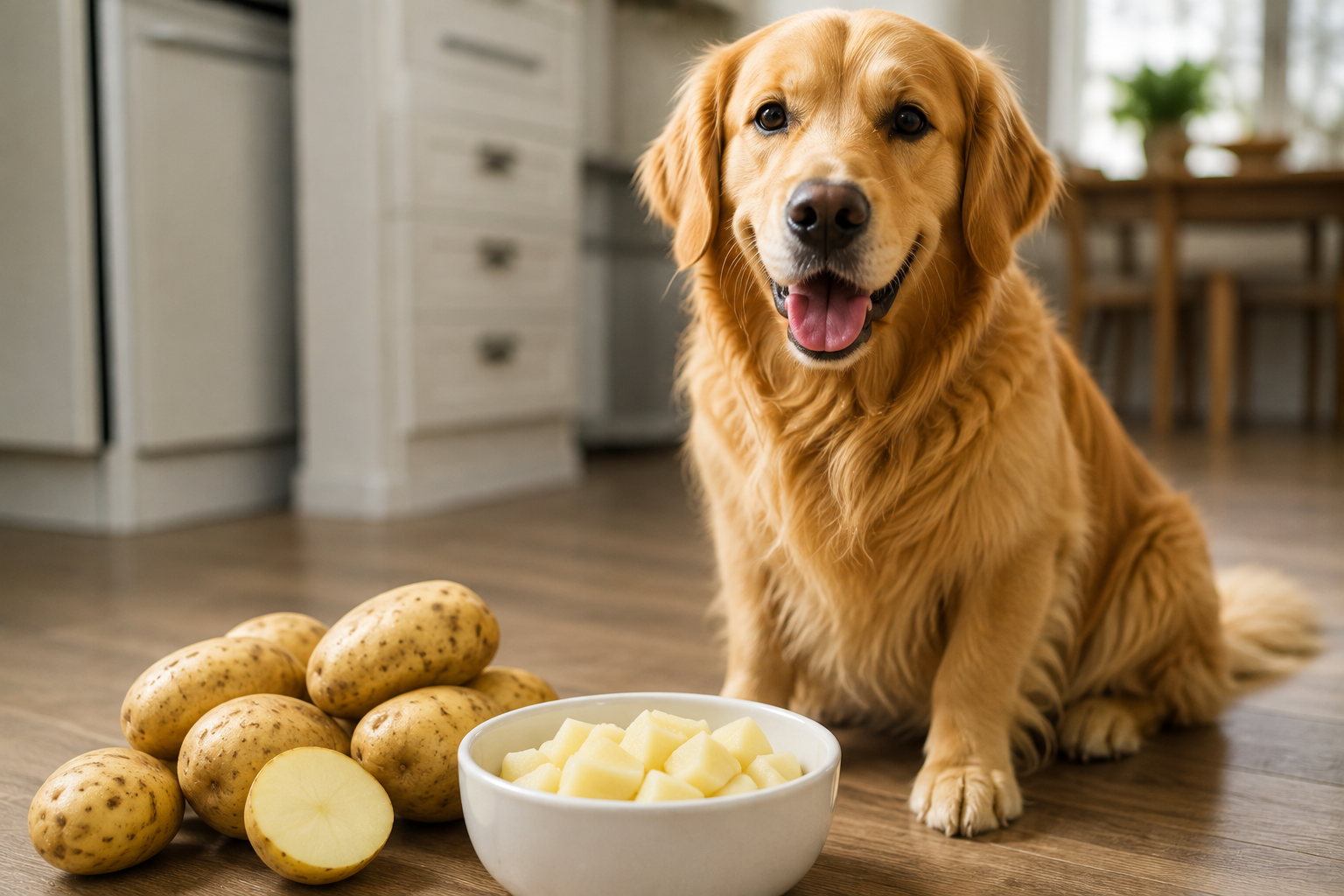
Can Dogs Eat Potatoes? Raw vs Cooked Safety Explained
Quick Answer: Yes, dogs can eat plain, fully cooked potatoes in small amounts. Boiled, baked, or steamed potatoes can be an occasional treat for most healthy adult dogs. The important part is how the potato is prepared. Raw and green potatoes should not be fed to dogs because they can contain higher levels of naturally occurring glycoalkaloids such as solanine. Potatoes covered in butter, salt, cream, onion, garlic, or other seasonings should also be avoided. If you give your dog potato, remove the skin, cook it thoroughly, let it cool, and serve a small amount plain. 🐾 Quick Answer: Plain, cooked, peeled potatoes can be an occasional treat for most healthy adult dogs. Avoid raw, green, fried, or heavily seasoned potatoes. Quick Safety Reference Potato Type Safe for Dogs? What to Know Plain boiled potato ✅ Yes Cook thoroughly and serve plain Plain baked potato ✅ Yes Remove skin and toppings Sweet potato ✅ Yes Cook and serve plain Raw potato ❌ Avoid Can contain solanine and other glycoalkaloids Green potato ❌ Avoid Higher glycoalkaloid levels Potato skin ⚠️ Best avoided Can contain higher levels of glycoalkaloids Mashed potatoes with butter/salt ❌ Avoid Added fat, salt, and seasonings French fries/chips ❌ Avoid High in fat and salt; may contain toxic seasonings This table reflects the safety distinctions made throughout your original article. Key Takeaways Can Dogs Eat Potatoes? Yes. Plain, cooked potatoes can be safe for most healthy adult dogs when offered in small amounts. White potatoes, red potatoes, and Yukon Gold potatoes can all be prepared for dogs as long as they are thoroughly cooked and served without added butter, salt, cream, onion, garlic, or other seasonings. The concern is mainly with raw, green, or improperly prepared potatoes. Raw potatoes contain naturally occurring glycoalkaloids, including solanine and chaconine. Higher exposure can cause digestive problems and, in more serious cases, neurological or other systemic signs. So, if your dog is eyeing the potato you’re preparing for dinner, a small piece of plain cooked potato is very different from giving them a raw potato or a handful of fries. Which Potatoes Are Safe for Dogs? Several common potato varieties can be given to dogs when properly prepared. White potatoes Plain white potatoes can be offered after they have been thoroughly cooked and peeled. Red potatoes Red potatoes can also be safe when cooked and served without seasonings. Yukon Gold potatoes Yukon Gold potatoes can be treated the same way: cook them thoroughly, remove the skin, and serve them plain. Sweet potatoes Sweet potatoes are also suitable for dogs when cooked and served plain. They are nutritionally different from white potatoes and provide beta-carotene and other nutrients. Regardless of the variety, the same basic rule applies: Cook it, keep it plain, and serve only a small amount. Are Raw or Green Potatoes Dangerous for Dogs? Raw Potatoes Raw potatoes should not be fed to dogs. They can contain solanine and other glycoalkaloids, particularly in the skin and areas of the potato that have been exposed to light. Your original sources associate exposure with signs such as vomiting, diarrhea, lethargy, weakness, confusion, and, with more significant exposure, neurological problems. If your dog has eaten a raw potato, the seriousness depends on factors such as the amount eaten, the dog’s size, and whether the potato was green or sprouted. If you know your dog ate a significant amount of raw potato, contact your veterinarian for advice rather than waiting for symptoms. Green Potatoes Green potatoes should be avoided completely. Green coloring develops when potatoes are exposed to light and can indicate increased levels of glycoalkaloids. Your original article specifically identifies green potatoes as a higher-risk form and recommends never feeding them to dogs. Don’t try to make a green potato safe by simply cooking it. Discard it instead. The same applies to potatoes with extensive sprouting or significant green areas. When Should I Call the Vet? If your dog ate a small amount of plain cooked potato and is acting normally, there may be no reason for immediate concern. The situation is different if your dog ate raw or green potato or develops symptoms. Contact your veterinarian if your dog develops: Seek emergency veterinary care for severe signs such as: Your original article recommends veterinary attention for vomiting, diarrhea, or lethargy after raw potato exposure and emergency care for severe neurological or systemic signs. If you’re unsure how much your dog ate or what type of potato it was, tell your veterinarian what happened and, if possible, keep the packaging or remaining food available for identification. Are Potatoes Nutritious for Dogs? Cooked potatoes provide several nutrients, including: These nutrients can contribute to a dog’s overall diet, but potatoes aren’t nutritionally essential. A complete and balanced dog food should provide the nutrients your dog needs without relying on potatoes. Potatoes are also relatively starchy and calorie-dense, which is another reason to keep portions modest. Think of plain cooked potato as an occasional addition or treat, not something your dog needs to eat every day. How Much Potato Can a Dog Eat? The safest approach is to start with a small amount. Your original article suggests that a medium-sized dog can have a few small cubes of plain cooked potato a few times per week, with somewhat larger amounts possible for larger dogs. It also emphasizes that potatoes should never replace balanced dog food. Because dogs differ in size, calorie needs, activity level, and health, there isn’t one portion that works for every dog. Start with: Watch for digestive upset after introducing any new food. Dogs that need extra caution Speak with your veterinarian before regularly giving potatoes to a dog with: The original article specifically recommends extra caution for dogs with these conditions. How to Safely Prepare Potatoes for Your Dog Preparing potatoes for your dog is straightforward. 1. Choose a fresh potato Avoid potatoes with obvious green areas or extensive sprouts. 2. Peel it Your original article recommends removing the skin before feeding.
Homemade Dog Food
Quick Answer: Homemade dog food can give you more control over the ingredients in your dog’s bowl. This recipe combines cooked chicken, brown rice, carrots, green beans, fish oil, and a veterinarian-approved supplement. However, meat, rice, and vegetables alone do not provide all the nutrients a dog needs for long-term health. Homemade diets need careful formulation to be complete and balanced for the individual dog’s life stage and needs. AAFCO notes that creating a nutritionally complete homemade diet is complex because dogs require many nutrients in specific amounts and ratios. Important: If you plan to feed homemade food as your dog’s main diet, work with your veterinarian or a board-certified veterinary nutritionist to make sure the recipe and supplement meet your dog’s nutritional needs. Recipe at a Glance Prep Time Cook Time Total Time Yield 15 minutes 25 minutes 40 minutes 6 standard servings Main ingredients: Chicken, brown rice, carrots, green beans, fish oil, and a veterinarian-approved supplement. Best for: An adult dog whose homemade diet has been appropriately formulated or approved by their veterinarian. Key Takeaways If you’ve ever wanted to know exactly what goes into your dog’s food bowl, homemade dog food can be appealing. You can choose the protein, carbohydrate, and vegetables yourself and prepare everything in your own kitchen. This recipe combines chicken with brown rice, carrots, and green beans for a simple cooked meal. But there is an important difference between homemade food and a complete and balanced diet. Dogs need many essential nutrients in the right amounts and ratios. A homemade recipe can look healthy while still being deficient in important nutrients. AAFCO explains that formulating complete and balanced pet food is a complex process, with different requirements for different life stages. So, if you’re making this recipe as your dog’s regular food, don’t skip the veterinary formulation or appropriate supplement. In this guide, I’ll show you how to prepare the recipe, how much to feed, how to adapt it, what ingredients to avoid, and how to store it safely. Why You’ll Love This Homemade Dog Food One of the biggest advantages of making your dog’s food at home is knowing exactly which ingredients you’re using. This recipe uses familiar ingredients that are easy to find: You can also make ingredient changes when your veterinarian recommends a different protein, carbohydrate, or vegetable for your dog. Another benefit is that you can prepare several portions at once and store them for later. However, homemade food should not be considered automatically healthier than commercial food. A commercial diet that is labeled complete and balanced is formulated to provide the required nutrients for its intended life stage. Takeaway: Homemade food gives you ingredient control, but nutritional balance is what makes a long-term diet appropriate for your dog. Ingredients You’ll Need Main ingredients Before you start The exact supplement, amount, and overall recipe should be based on your dog’s nutritional requirements if this food will replace their regular diet. If you’re preparing this recipe simply as a temporary meal or topper, the nutritional requirements are different from those of a complete long-term diet. How Do I Make Homemade Dog Food for My Dog? This recipe is simple to prepare. You’ll cook the rice, chicken, and vegetables separately before combining them. 1. Cook the rice Place the brown rice and 2 cups (473 ml) of water in a large pot. Bring it to a boil, then reduce the heat and cover the pot. Simmer until the rice is tender and has absorbed the water, about 30 minutes. 2. Cook the chicken Place the diced chicken in a separate skillet over medium heat. Cook until the chicken is completely opaque and cooked through, about 8 minutes, stirring occasionally. Do not add salt, onions, garlic, butter, or seasoning. 3. Cook the vegetables Steam the carrots and green beans until they are tender and can be easily pierced with a fork, about 5 minutes. 4. Combine everything Add the cooked rice, chicken, carrots, and green beans to a large bowl. Mix everything together and allow the food to cool completely before serving. 5. Add the supplement and fish oil Stir in the fish oil and the veterinarian-approved supplement according to your dog’s specific formulation. Do not guess the supplement amount. How Much Homemade Dog Food Should I Feed My Dog? There isn’t one serving size that is correct for every dog. The amount your dog needs depends on: Your original recipe gives 1/2 cup per 10 pounds of body weight per day as a general starting point, split between two meals. However, this should not be treated as a universal feeding recommendation because homemade recipes can vary considerably in calorie density. A better approach is to use your veterinarian’s recommended calorie intake and monitor your dog’s body condition and weight. If your dog starts gaining or losing weight unexpectedly, the portion may need to be adjusted. Takeaway: Don’t rely on a fixed cup-per-pound rule for every dog. Feeding amounts should be based on the dog’s individual calorie needs and the actual recipe. Is Homemade Dog Food Safe for All Dogs? Not automatically. A homemade diet that works for one adult dog may not be appropriate for another dog. Puppies Growing puppies have different nutrient requirements from adult dogs. A diet that is suitable for an adult dog may not provide the right amounts or ratios of nutrients needed for growth. Do not feed this recipe as a puppy’s sole diet unless it has been specifically formulated for growth by a veterinary nutrition professional. Pregnant or nursing dogs Pregnancy and nursing require different nutritional support. A homemade recipe should be specifically formulated for these stages. Dogs with medical conditions Dogs with kidney disease, liver disease, diabetes, food allergies, urinary problems, or other medical conditions may need carefully controlled diets. If your dog has a medical condition or eats a prescription diet, talk to your veterinarian before making homemade food their main diet. Can an unbalanced homemade diet cause problems? Yes. Long-term nutritional
Simple Blueberry Dog Birthday Cake Recipe
Quick Answer: This Simple Blueberry Dog Birthday Cake Recipe is an easy homemade treat made with whole wheat flour, fresh blueberries, unsweetened applesauce, eggs, and unsweetened almond milk. It contains no added sugar and avoids ingredients that are toxic to dogs, such as xylitol, chocolate, grapes, and macadamia nuts. Making the cake at home lets you control exactly what goes into your dog’s birthday treat. Because cake is still a treat, keep the portion small and remember that treats should make up no more than 10% of your dog’s daily caloric intake. Recipe at a Glance Prep Time Cook Time Servings 10 minutes 25 minutes 4 dog servings Main ingredients: Whole wheat flour, blueberries, unsweetened applesauce, eggs, and unsweetened almond milk. Best for: Dog birthdays, special occasions, or an occasional homemade treat. Key Takeaways If you’re planning a special birthday for your dog, making a homemade cake is a simple way to give them a treat while knowing exactly what ingredients you’re using. This blueberry dog cake combines whole wheat flour, fresh blueberries, unsweetened applesauce, eggs, and unsweetened almond milk. Instead of adding refined sugar, the recipe relies on the natural sweetness of the fruit. Unlike traditional human birthday cakes, this recipe is made without chocolate, xylitol, grapes, macadamia nuts, or other ingredients that can be dangerous for dogs. In this guide, I’ll show you what ingredients are safe, how to make this simple blueberry cake, how to decorate it safely, how much to serve, and how to store leftovers. Why You’ll Find This Recipe Helpful Making a birthday cake for your dog doesn’t have to be complicated. You only need a few simple ingredients and a little preparation to make a special treat at home. In this recipe, you’ll learn: Whether you’re celebrating your dog’s birthday or simply want to make them something special, this recipe gives you an easy homemade option. How to Make a Dog-Safe Blueberry Cake Without Sugar? You don’t need added sugar to make a tasty birthday cake for your dog. This recipe uses unsweetened applesauce to add moisture and natural sweetness, while the blueberries add their own flavor. Dogs do not need added sugar in their diet, so keeping the recipe free from refined sugar is a simple way to make the cake more appropriate as an occasional treat. Ingredients Instructions Takeaway: The cake is simple to make and uses unsweetened applesauce and blueberries instead of added sugar. Easy Blueberry Dog Cake Substitutions and Variations You can make a few simple changes to the recipe if needed. Peanut Butter Blueberry Cake Add 1/4 cup (64g) unsalted natural peanut butter to the wet ingredients. Always check the label to make sure the peanut butter contains no xylitol. Oat Flour Variation You can replace the whole wheat flour with oat flour if you prefer to use a different flour. Egg-Free Version Replace the two eggs with two flax eggs. To make two flax eggs, mix: Let the mixture sit for about 5 minutes until it thickens, then use it in place of the eggs. If your dog has a diagnosed food allergy or follows a prescription diet, check with your veterinarian before changing the recipe. How to Frost and Decorate a Dog Birthday Cake You don’t need traditional sugary frosting to decorate a dog birthday cake. Some simple options include: Choose plain, unsweetened products. For decorations, you can use: Avoid candles, plastic decorations, or other small items that your dog could swallow. If you’d like to write your dog’s name or age on the cake, you can pipe plain unsweetened yogurt onto the cooled cake using a small plastic bag with the corner snipped off. Important: Always check peanut butter for xylitol before using it. How Much Cake Can I Give My Dog? Birthday cake should be treated as an occasional treat, not as part of your dog’s regular meals. A general guideline is to keep all treats combined to no more than 10% of your dog’s daily caloric intake. You don’t need to give your dog a large slice. A small piece is enough for a birthday celebration. If you have a small dog or puppy, start with an even smaller portion. If your dog has a medical condition, food allergy, or follows a prescription diet, ask your veterinarian about an appropriate serving size. Takeaway: A small piece is enough. Remember to count birthday cake as part of your dog’s daily treats. How to Store Homemade Dog Birthday Cake Store leftover cake in an airtight container in the refrigerator for up to 3–4 days. Keeping it covered helps maintain freshness and prevents the cake from absorbing odors from other foods. For longer storage, cut the cake into individual portions and place them in a freezer-safe container. The cake can be frozen for up to one month. When you’re ready to serve a frozen piece, thaw it overnight in the refrigerator. Frequently Asked Questions Can puppies eat blueberry birthday cake? Yes, puppies can have a small piece. Introduce new foods slowly and watch for signs of an upset stomach. Is xylitol dangerous in dog cakes? Yes. Xylitol is highly toxic to dogs. Never use peanut butter or sweeteners that contain xylitol. Can I use regular flour instead of whole wheat? Yes, regular flour can be used, but this recipe uses whole wheat flour as its main flour. How do I make a simple blueberry dog cake without eggs? Use flax eggs. Mix 2 tablespoons of flaxseed meal with 6 tablespoons of water and let it sit for about five minutes before using it in the recipe. What is the best frosting for dogs? Plain, unsweetened Greek yogurt or plain cream cheese can be used as simple frosting options. Unsalted peanut butter is another option as long as it contains no xylitol. Conclusion Making a birthday cake at home lets you control exactly what goes into your dog’s special treat. This Simple Blueberry Dog Birthday Cake uses whole wheat flour, blueberries, unsweetened applesauce, eggs, and unsweetened
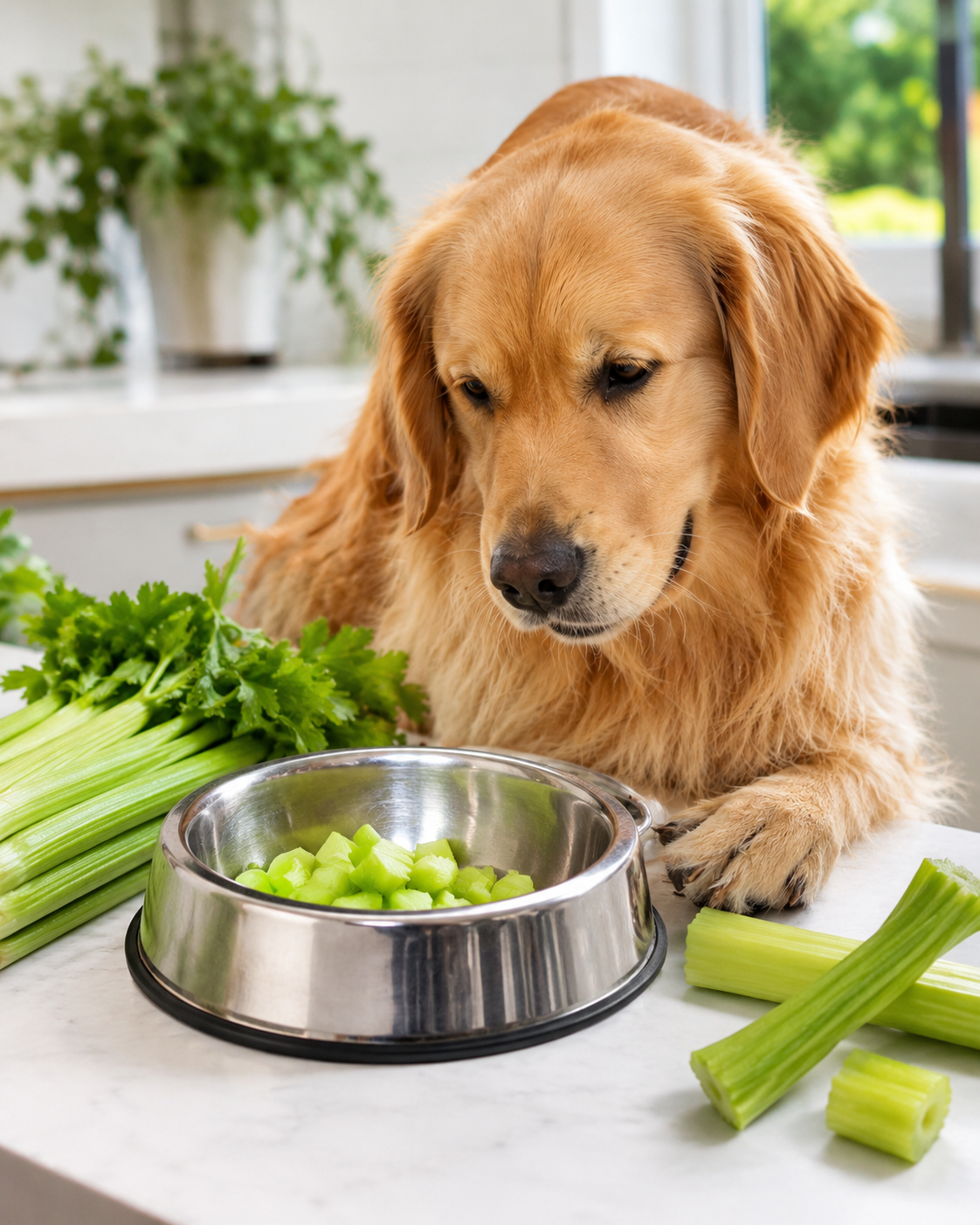
Can Dogs Eat Celery? Benefits, Risks & Serving Tips
Quick Answer: Yes, dogs can eat celery safely. Celery is generally considered a safe, low-calorie treat for dogs when served in moderation and prepared properly. It contains a lot of water and provides nutrients such as vitamins A, C, and K, along with fiber and potassium. The main things to watch are portion size and preparation. Large pieces or whole celery stalks can be a choking hazard, especially for small dogs. Too much celery can also cause digestive upset. Always wash celery thoroughly and cut it into small, bite-sized pieces before giving it to your dog. Treats, including celery, should make up no more than about 10% of your dog’s daily calorie intake. 🥦 Celery for Dogs: Quick Reference Factor Verdict Overall safety ✅ Safe in moderation Raw celery ✅ Safe when washed and cut small Cooked celery ✅ Safe when plain Celery leaves ⚠️ Wash well; remove if conventionally grown Choking risk ⚠️ Cut into small pieces Treat portion ✅ Keep treats within about 10% of daily calories Puppies ⚠️ Start with a tiny amount Prescription diets ⚠️ Ask your veterinarian first Key Takeaways If your dog begs whenever you’re chopping vegetables, you may have wondered whether you can share some of your celery. The good news is that celery is generally safe for dogs. It can make a crunchy, low-calorie treat, and its high water content makes it a refreshing option. However, celery isn’t something your dog needs to stay healthy. A complete and balanced dog food should provide the nutrition your dog needs, while celery should remain an occasional treat. The way you serve it also matters. A whole celery stalk can be difficult for a dog to chew and may create a choking risk. Washing the celery, removing the tough strings, and cutting it into small pieces makes it much safer. In this guide, I’ll explain how much celery dogs can eat, the benefits and possible risks, whether puppies can eat it, how to prepare it safely, and what to do if your dog eats too much. Why You’ll Find This Guide Helpful It’s easy to think that because celery is healthy for people, you can give your dog as much as they want. That’s not quite how it works. This guide will help you understand: Whether you’re giving your dog celery for the first time or they already love the crunch, these simple guidelines can help you make snack time safer. Is Celery Safe for Dogs to Eat? Yes. Celery is generally considered safe for dogs and is included among dog-safe vegetables by veterinary and pet-health sources. It is low in calories, low in fat, and contains a high amount of water. Celery also contains nutrients such as vitamins A, C, and K, folate, potassium, and fiber. However, these nutrients are a bonus rather than something your dog needs from celery. A complete and balanced dog food should remain the main source of nutrition. The most important safety issue is how celery is prepared. Whole stalks or large pieces can be difficult to chew and may cause choking, especially in small dogs. Always cut celery into small pieces before serving. Takeaway: Celery is a safe occasional treat for most healthy dogs when it is washed, cut into small pieces, and served in moderation. What Are the Benefits of Celery for Dogs? Celery can be a useful low-calorie treat, particularly for dogs that need to watch their weight. It contains a lot of water and provides several vitamins and minerals. Nutrient Potential Benefit Vitamin A Supports normal vision and immune function Vitamin C Provides antioxidant support Vitamin K Supports normal blood clotting Potassium Supports normal muscle and nerve function Folate Supports normal cell function Fiber Supports normal digestion Water Adds moisture to the diet Celery’s crunchy texture may also help freshen a dog’s breath and may provide some mild mechanical cleaning as they chew. However, celery should not replace regular tooth brushing or professional dental care. Think of celery as a healthy snack option rather than a supplement. Your dog doesn’t need celery to get these nutrients if they are already eating a complete and balanced diet. Takeaway: Celery’s biggest practical benefits are that it is low in calories, contains plenty of water, and provides several nutrients while making a crunchy treat. How Much Celery Can I Give My Dog? There isn’t one exact amount that works for every dog. The appropriate portion depends on your dog’s size, diet, calorie needs, and the other treats they receive. A useful general rule is that all treats combined should make up no more than about 10% of your dog’s daily calories. For a first taste, start with just one or two small pieces and see how your dog responds. PetMD provides these general serving examples: Dog Size Example Celery Portion Extra-small, 2–20 lb 1–2 small pieces Small, 21–30 lb 2–3 pieces Medium, 31–50 lb 5–6 pieces Large, 51–90 lb A small handful Extra-large, 91+ lb A handful These are only general examples, not strict prescriptions. If your dog is overweight, has a medical condition, or eats a prescription diet, ask your veterinarian about appropriate treat portions. Takeaway: Start small and count celery as part of your dog’s total daily treats. Are There Any Risks or Dogs That Should Avoid Celery? Celery is safe for most healthy dogs, but there are still a few things to consider. Choking Large chunks, whole stalks, and tough celery strings can become choking hazards. Small dogs and dogs that gulp their food are especially important to watch. Digestive Upset Too much celery can cause gas, loose stools, or stomach discomfort because of its fiber content. Introduce it slowly and stop giving it if your dog develops digestive problems. Prescription Diets If your dog is on a prescription diet, don’t add celery or other treats without checking with your veterinarian first. Even a safe food may not be appropriate for a dog with a specific medical or nutritional requirement. Dogs With Health Conditions
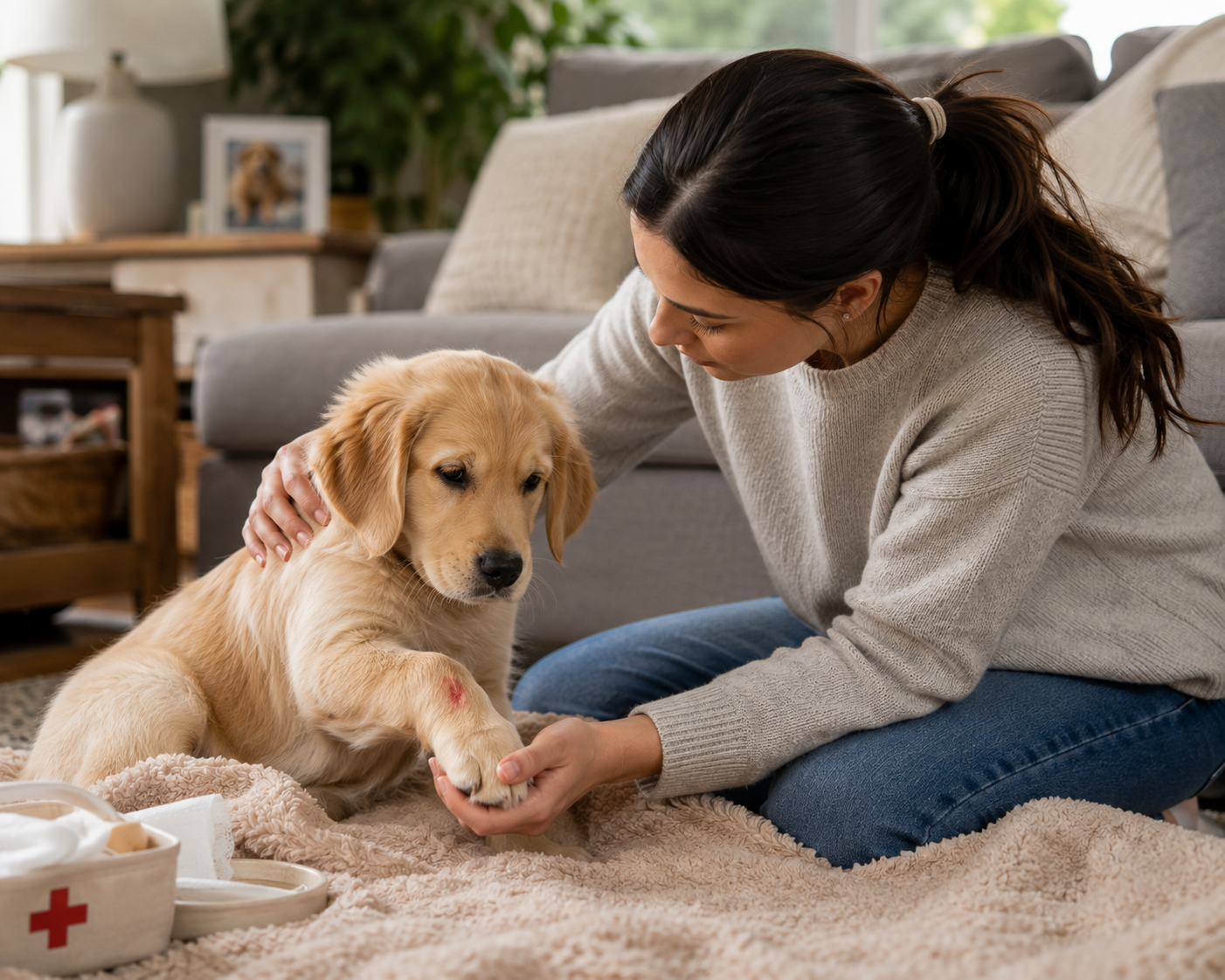
Can Puppies Get Concussions? Signs and Emergency Steps
Quick Answer: Yes, puppies can get concussions. A puppy’s skull is thinner and softer than an adult dog’s, making brain injuries more likely after falls, collisions, or other blows to the head. Even what seems like a minor accident can cause a concussion in a young puppy. If your puppy hits their head and becomes disoriented, vomits, loses balance, has unequal pupils, or loses consciousness, seek veterinary care immediately. Puppies are more vulnerable to head injuries than adult dogs because their brains and skulls are still developing. 🚨 Puppy Head Injury Triage ✅ Monitor at Home ⚠️ Call Your Veterinarian Today 🚨 Go to an Emergency Veterinarian Immediately Key Takeaways Puppies are naturally curious, energetic, and sometimes a little clumsy. They run into furniture, tumble off couches, miss steps, and play without realizing how easily they can get hurt. Most of these little bumps are harmless, but some can cause a concussion or other serious head injury. Because a puppy’s skull and brain are still developing, even a fall that might not seriously injure an adult dog can be much more dangerous for a young puppy. Recognizing the warning signs early and knowing when to seek veterinary care can make a big difference in your puppy’s recovery. In this guide, you’ll learn how puppies get concussions, the symptoms to watch for, what to do immediately after a head injury, how long recovery usually takes, and when a head injury becomes a veterinary emergency. Why You’ll Find This Guide Helpful A head injury can happen in seconds, and it’s often difficult to know whether your puppy has simply bumped their head or suffered a concussion. Understanding the warning signs can help you make quick, informed decisions when every minute matters. In this guide, you’ll discover: Whether your puppy fell off the couch, bumped into furniture, or had a more serious accident, this guide will help you understand what to watch for and when it’s time to seek professional care. Can Puppies Get Concussions? Yes. Puppies can get concussions at any age, including newborn puppies. A concussion is a mild traumatic brain injury that happens when a blow to the head or a sudden impact causes the brain to move inside the skull. Puppies are more likely to suffer head injuries than adult dogs because their skulls are still developing. Young puppies have thinner skull bones, and some breeds have open fontanelles (soft spots) that provide less protection for the brain. Common causes of puppy concussions include: Toy breeds, such as Chihuahuas and Yorkshire Terriers, are especially vulnerable because of their small size. A fall that might not seriously affect a large-breed puppy can cause a significant head injury in a much smaller puppy. While puppies are naturally playful and clumsy, most bumps are harmless. The injuries that need immediate attention are those followed by changes in behavior, balance, or awareness. Takeaway: Puppies of any age can suffer a concussion, especially after falls or hard impacts to the head. How Do You Know If a Puppy Has a Concussion? The most common signs of a concussion include: One of the most important things to remember is that symptoms don’t always appear immediately. Some puppies seem completely normal after a fall but begin showing signs of a concussion several hours later. Because of this, veterinarians recommend monitoring your puppy closely for at least 24 hours after any significant head injury. Minor Head Bump vs. Concussion A minor bump usually causes a brief yelp or moment of surprise before your puppy quickly returns to normal. A concussion is different. Your puppy may continue acting unusually, have trouble walking, seem confused, or develop symptoms that worsen over time. Minor Head Bump Possible Concussion Brief yelp or surprise Confusion or disorientation Returns to normal within minutes Wobbling or loss of balance Eats and plays normally Vomiting or unusual sleepiness Normal behavior Unequal pupils or seizures No new symptoms Symptoms appear hours later Because brain injuries happen inside the skull, your puppy may have no visible wound at all. A puppy can have a concussion even if the outside of the head looks completely normal. Takeaway: Watch your puppy’s behavior—not just the injury itself. Changes in balance, alertness, or coordination are much more important than whether there’s a visible bump. What Should You Do If Your Puppy Hits Their Head? If your puppy hits their head, stay calm and assess them right away. Acting quickly helps you recognize serious problems early and gives your veterinarian valuable information if treatment is needed. Step 1: Check Responsiveness Call your puppy’s name and see if they respond normally. A puppy that seems dazed, confused, or doesn’t recognize you should be examined by a veterinarian. Step 2: Look for Warning Signs Check for: Step 3: Keep Your Puppy Calm Move your puppy to a quiet, padded area and limit activity. Avoid running, jumping, or rough play while you monitor them. Step 4: Do Not Give Human Medication Never give ibuprofen, acetaminophen, aspirin, or other human pain relievers. These medications can be toxic to dogs and may worsen certain injuries. Step 5: Monitor Closely Watch your puppy carefully over the next 24 hours. Keep track of: When Should You Go to the Veterinarian? Seek emergency veterinary care immediately if your puppy has: Contact your veterinarian the same day if your puppy seems unusually sleepy, refuses food, develops a swelling on the head, or simply isn’t acting like themselves. When speaking with your veterinarian, note: Takeaway: After any significant head injury, keep your puppy calm, watch for changes over the next 24 hours, and seek veterinary care immediately if emergency signs develop. Can Puppies Recover From a Concussion? Yes. Most puppies with mild concussions recover completely when they’re examined promptly and allowed to rest. Recovery depends on how severe the injury is. Injury Severity Typical Recovery Time Mild concussion 24–72 hours Moderate concussion 1–2 weeks Severe head injury Several weeks or longer During recovery: Although most mild concussions heal well, severe injuries
Black Puppy Poop: What It Means and When to See a Vet
Quick Answer: Black puppy poop usually means your puppy is passing digested blood in their stool, a condition called melena. This often indicates bleeding somewhere in the stomach or upper small intestine and should always be treated as a veterinary emergency until proven otherwise. Puppies have much less blood volume than adult dogs, so even a small amount of internal bleeding can become serious quickly. If your puppy’s stool is black, sticky, shiny, or tar-like, contact your veterinarian immediately. 🚨 Puppy Black Stool Urgency Guide ✅ Monitor (Less Likely to Be an Emergency) ⚠️ Call Your Veterinarian Today 🚨 Seek Emergency Veterinary Care Immediately Key Takeaways Finding black poop in your puppy can be frightening, especially if you’ve never seen it before. Many owners immediately wonder whether it’s something their puppy ate or a sign of a serious illness. Unfortunately, black stool is one symptom you should never ignore. While certain foods and supplements can make stool appear darker than usual, true black, sticky, tar-like stool often means there’s bleeding somewhere in your puppy’s digestive tract. In this guide, you’ll learn what black puppy poop means, how to tell the difference between black and dark brown stool, the most common causes, when it’s an emergency, and what you should do before reaching your veterinarian. Why You’ll Find This Guide Helpful When you search online for black puppy poop, you’ll often find conflicting advice. Some sources say it’s caused by food, while others recommend rushing to the emergency clinic immediately. This guide helps you understand the difference. You’ll learn: Whether your puppy seems perfectly normal or is showing signs of illness, this guide will help you understand the urgency of the situation and make the safest decision for your puppy. What Does Black Puppy Poop Mean? Black puppy poop usually means your puppy is passing digested blood in their stool, a condition veterinarians call melena. Unlike bright red blood, which comes from the lower digestive tract, melena indicates bleeding higher up in the stomach or upper small intestine. As blood moves through the digestive system, stomach acid and digestive enzymes break it down, turning it black. This is why melena looks very different from normal stool. True melena often has these characteristics: Many owners mistake very dark brown stool for black stool. Looking at the stool against a white paper towel or tissue can make the color easier to judge. Because puppies have much less blood than adult dogs, even a relatively small internal bleed can become dangerous quickly. Takeaway: Black, sticky, tar-like stool usually means digested blood and should never be ignored. Is Black Puppy Poop Normal or Should You Worry? No. Black, tarry stool is never considered normal in puppies and should always be taken seriously. Veterinarians often describe melena in puppies as “an emergency until proven otherwise.” Young puppies lose blood much faster than adult dogs, making them more vulnerable to anemia, dehydration, and shock. The risk is even higher if your puppy: One of the most serious concerns in young, unvaccinated puppies is parvovirus. This highly contagious virus damages the intestinal lining, causing severe diarrhea, bleeding, dehydration, and rapid illness. Not every dark-colored stool means there’s internal bleeding. Certain foods and medications can darken stool without causing harm. The biggest clue is the texture—diet-related stool is usually dark brown and firm, while melena is black, sticky, and tar-like. Takeaway: If you’re unsure whether your puppy’s stool is black or simply dark brown, it’s safest to contact your veterinarian the same day. What Causes Black Poop in Puppies? Several different conditions can cause black stool in puppies. Some are medical emergencies, while others are much less serious. Common Medical Causes Can Food Cause Black Puppy Poop? Yes, but the stool usually looks very dark brown, not true black melena. Foods and products that may darken stool include: If your puppy recently started one of these foods or supplements and otherwise seems healthy, diet may be responsible. However, if the stool is sticky, shiny, foul-smelling, or your puppy appears unwell, don’t assume food is the cause. Takeaway: Medical causes are far more concerning than dietary causes. When in doubt, let your veterinarian make the diagnosis. Puppy Poop Color Chart: What’s Healthy? Healthy puppy poop should be chocolate brown, firm enough to hold its shape, and easy to pick up. Here’s a quick guide: Color Likely Meaning What You Should Do Chocolate brown Healthy digestion No action needed Dark brown Usually diet-related or normal Monitor Black, tarry Digested blood (melena) Call your veterinarian today Bright red Fresh blood from the lower digestive tract Contact your veterinarian Yellow Digestive or absorption problem Veterinary advice recommended Gray or white Liver or pancreatic concern Veterinary evaluation Green Grass eating or bile-related issue Monitor; call if it continues If you’re struggling to tell whether the stool is black or dark brown, place a small amount on a white paper towel. True melena appears almost jet black, while normal dark stool still has a noticeable brown tint. Takeaway: Chocolate brown is normal. Black, sticky stool should always be treated as a veterinary concern. Blood in Puppy Poop vs Black Poop: What’s the Difference? Although both involve bleeding, red blood and black stool usually come from different parts of the digestive tract. Red Blood Black Tarry Stool Fresh blood Digested blood Lower digestive tract Upper digestive tract Bright red streaks or drops Black, shiny, sticky stool Often linked to the colon or rectum Usually linked to the stomach or upper small intestine Many owners assume bright red blood is always more serious because it’s easier to see. In reality, black stool often indicates bleeding that’s been occurring for longer and may involve the upper digestive tract, making it especially concerning in puppies. Both types of blood deserve veterinary attention, but black, tarry stool should be treated with greater urgency. Takeaway: Red blood and black stool have different causes, but both require a veterinary examination. Black, tarry stool is generally the more urgent finding in puppies.
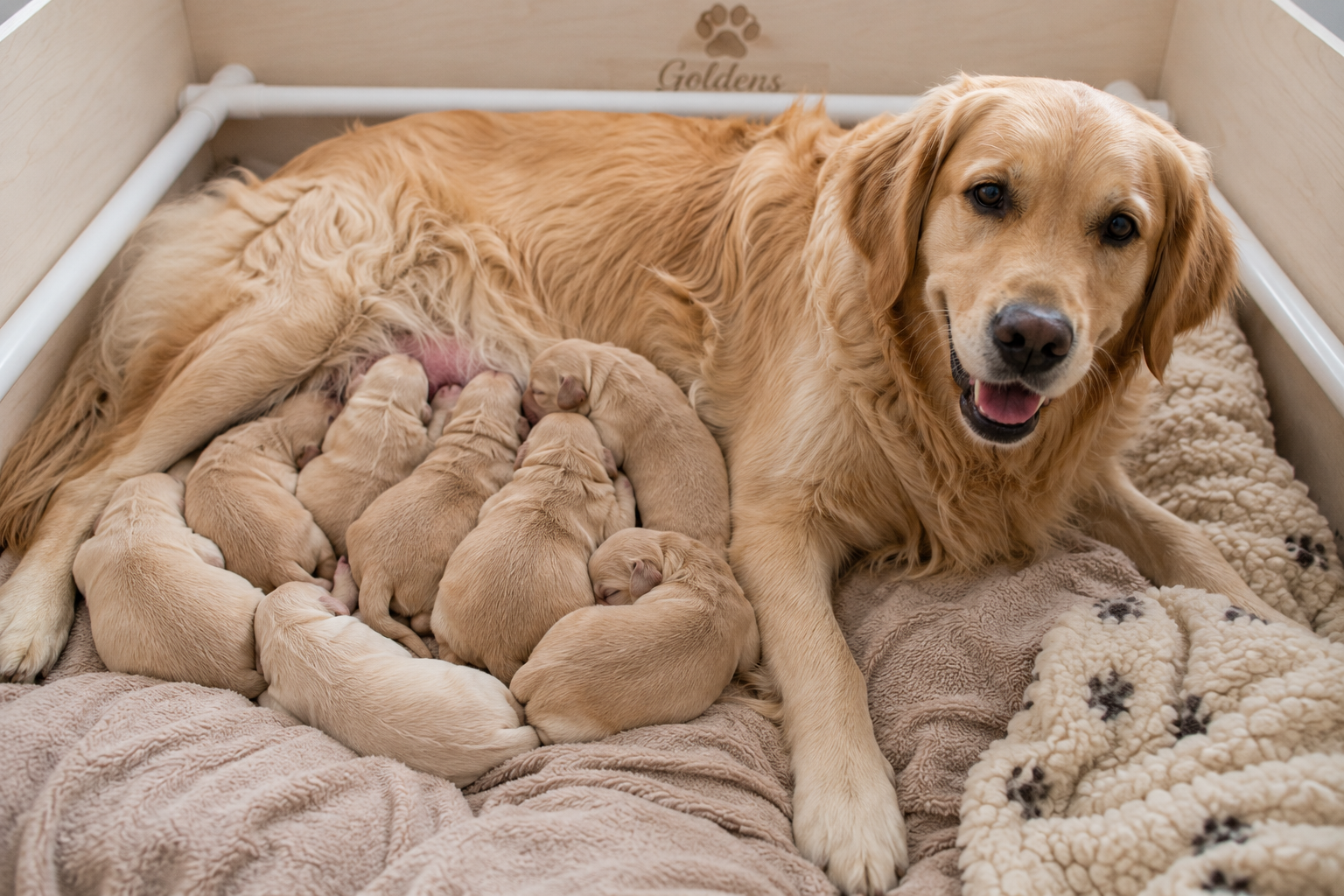
When Do Puppies Open Their Eyes? Development Timeline by Breed
Quick Answer: Most puppies open their eyes between 10 and 14 days after birth, although anywhere from 7 to 21 days is considered normal depending on the breed and the individual puppy. When their eyes first open, their vision is blurry and limited. Puppies don’t see clearly right away—full vision develops gradually over the next 6 to 8 weeks. Never try to force a puppy’s eyes open, and contact your veterinarian if the eyes remain closed after 21 days or you notice swelling or thick discharge. Key Takeaways Puppy Eye Development Quick Facts Milestone Typical Timeline Eyes begin opening 10–14 days (normal range: 7–21 days) Full vision develops 6–8 weeks Eye color starts changing 3–4 weeks Final eye color 8–12 weeks Call your veterinarian if Eyes remain closed after 21 days, or swelling and thick discharge are present Never do this Force a puppy’s eyelids open Watching a litter of puppies grow is exciting, and one of the biggest milestones is seeing their eyes open for the first time. It’s also one of the questions new dog owners and breeders ask most often: “When should my puppy open its eyes?” The good news is that most puppies follow a predictable development timeline. During the first two weeks of life, their eyes stay closed while the delicate tissues inside continue to develop. Once the eyelids begin to separate, vision improves little by little over the following weeks. In this guide, you’ll learn when puppies normally open their eyes, why they’re born with closed eyelids, what healthy eyes should look like, when vision fully develops, and which warning signs mean it’s time to contact your veterinarian. Why You’ll Find This Guide Helpful There are many myths about puppy eye development. Some people worry when one puppy opens its eyes before the others, while others think they should help the eyelids open sooner. This guide explains what’s normal and what isn’t. You’ll learn: Whether you’re raising your first litter or caring for a single newborn puppy, this guide will help you understand each stage of healthy eye development with confidence. When Do Puppies Open Their Eyes After Birth? Most puppies open their eyes between 10 and 14 days after birth, although anywhere from 7 to 21 days falls within the normal range. The process happens gradually rather than all at once. You’ll usually notice a small slit appearing first, often near the inner corner of the eyelid, before the eye opens fully over the next day or two. It’s also normal for one eye to open before the other. Even puppies in the same litter may reach this milestone on different days, so don’t worry if one puppy opens its eyes slightly earlier than its siblings. Keeping track of each puppy’s development can be helpful, especially if you’re raising a litter. Recording the date each puppy opens its eyes makes it easier to spot delays and discuss any concerns with your veterinarian. Takeaway: Most puppies open their eyes between 10 and 14 days, and slight differences between littermates are completely normal. Why Are Puppies Born With Their Eyes Closed? Puppies are born with their eyelids fused shut because their eyes haven’t finished developing. The closed eyelids protect the delicate retina, cornea, and optic nerve while these structures continue maturing during the first two weeks of life. This natural seal also helps protect the eyes from bright light, dust, bacteria, and other irritants while the puppy is at its most vulnerable stage. Many people assume closed eyes mean a puppy was born too early, but that’s not the case. Dogs are naturally born at an early stage of development. During the first few weeks after birth, their brains, nervous systems, hearing, vision, and movement all continue developing outside the womb. For this reason, you should never try to separate a puppy’s eyelids yourself. The lids will open naturally once the eyes underneath are ready. Takeaway: Closed eyelids are a normal part of healthy puppy development and protect the eyes while they continue to mature. Do Puppies Open Their Eyes at Different Times? Yes. Not every puppy reaches this milestone on the same day. Both breed and individual development influence when the eyes begin to open. Here’s a general guide: Breed Size Typical Eye-Opening Age Examples Toy & Small Breeds 7–10 days Chihuahua, Pomeranian, Yorkshire Terrier Medium Breeds 10–14 days Beagle, Border Collie, Cocker Spaniel Large & Giant Breeds 14–21 days Labrador Retriever, German Shepherd, Great Dane Even within the same litter, puppies may open their eyes a day or two apart. Some simply develop a little faster than others, and that’s usually nothing to worry about. Breed size also plays a role. Smaller breeds often reach developmental milestones slightly earlier, while larger breeds tend to mature more slowly. Takeaway: Breed size and individual growth both affect when puppies open their eyes. A few days’ difference between littermates is completely normal. Are Puppies Blind Before Their Eyes Open? Yes. Newborn puppies are both blind and deaf during their first days of life. Their eyelids are sealed shut, and their ear canals remain closed, so they rely almost entirely on their sense of smell, touch, and body heat to find their mother and littermates. Although they can’t see or hear, puppies are far from helpless. They use instinctive rooting movements to locate their mother’s milk and spend most of their time sleeping, nursing, and growing. As their nervous system develops over the next two weeks, their eyes and ears gradually become functional. Even after their eyes open, their vision remains blurry and continues improving over several weeks. Takeaway: Puppies are born blind because their eyes and nervous system are still developing. Vision begins only after the eyelids naturally open. How Long Until Puppies Can See Clearly After Opening Their Eyes? Opening their eyes is only the beginning of a puppy’s visual development. Although the eyelids separate around 10 to 14 days, puppies don’t see clearly right away. Their vision improves gradually over the next 6
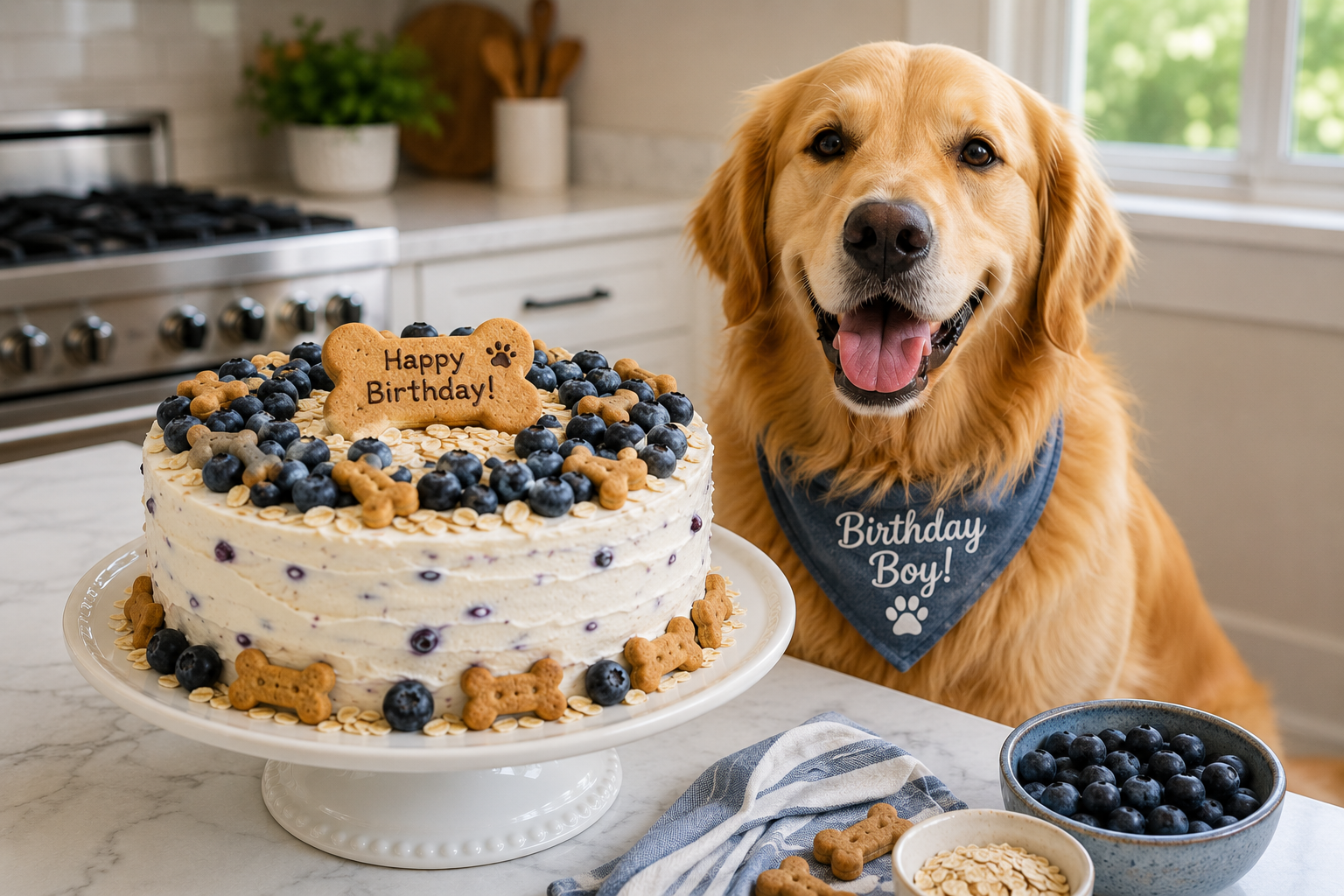
Homemade Dog Blueberry Oat Cake Recipe
Quick Answer: This homemade dog blueberry oat cake is a healthy, budget-friendly treat that’s perfect for birthdays, Gotcha Days, or any special occasion. Made with wholesome ingredients like oat flour, unsweetened applesauce, and fresh blueberries, it’s naturally sweet, free from refined sugar, and easy to make in about 35 minutes. If you’re here for the recipe, use the Jump to Recipe button to skip straight to the ingredients and step-by-step instructions. Key Takeaways Quick Recipe Info Detail Information Prep Time 10 minutes Bake Time 25 minutes Total Time 35 minutes Servings 4–6 dogs Difficulty Easy Best For Birthdays, Gotcha Days, and special treats Equipment Mixing bowl, spatula, small cake pan, oven I love making homemade treats because I know exactly what’s going into them, and this blueberry oat dog cake is one of my favorites. It’s simple to prepare, uses everyday ingredients, and looks special enough to celebrate your dog’s birthday or adoption anniversary. Instead of using refined sugar or artificial ingredients, this recipe gets its natural sweetness from unsweetened applesauce and juicy blueberries. Oat flour gives the cake a soft texture that’s gentle on many dogs’ stomachs, while a light layer of plain Greek yogurt makes a simple dog-friendly frosting. In this guide, you’ll learn how to make a homemade blueberry oat dog cake step by step, which ingredients are best, how much your dog can safely enjoy, and the easiest ways to store any leftovers. Why You’ll Love This Recipe There are plenty of homemade dog cake recipes online, but this one stands out because it’s simple, affordable, and made with ingredients you can easily find at most grocery stores. You’ll love this recipe because: Whether you’re celebrating a puppy’s first birthday or treating an older dog to something special, this cake is an easy way to make the day memorable while keeping the ingredients healthy. What’s a Good Homemade Dog Blueberry Oat Cake Recipe? This recipe is simple enough for beginners but special enough for birthdays, adoption anniversaries, or any time you want to spoil your dog with a homemade treat. The batter comes together in one bowl using wholesome, dog-friendly ingredients, then bakes into a soft cake that’s easy to slice and serve. Ingredients Step-by-Step Instructions Pro Tip Fold the blueberries into the batter with a silicone spatula instead of stirring vigorously. This helps keep the berries whole and prevents the batter from turning purple. Takeaway: This recipe uses simple ingredients, comes together quickly, and makes a healthy celebration cake your dog will love. Are Blueberry Oat Cakes Safe for Dogs? Yes. Homemade blueberry oat cakes are safe for most healthy dogs when they’re made with plain, dog-friendly ingredients and served in moderation. Blueberries are packed with antioxidants, fiber, and vitamins while remaining naturally low in calories. Oats provide soluble fiber that supports healthy digestion, and oat flour is often easier for dogs to digest than many other flours. If your dog doesn’t have a wheat allergy, whole wheat flour can also be used as an alternative. The ingredients you leave out are just as important as the ones you include. Never add chocolate, raisins, xylitol, macadamia nuts, artificial sweeteners, or excessive sugar to homemade dog cakes. If your dog has never eaten blueberries or oats before, offer a small piece first and monitor them over the next 24 hours for any signs of digestive upset or an allergic reaction. Takeaway: Blueberries, oats, and applesauce are all safe ingredients for most dogs when served in moderation and prepared without harmful additives. Best Ingredients for Homemade Dog Cake The best homemade dog cakes are made with simple, whole-food ingredients that provide flavor without unnecessary additives. This recipe uses: Many owners also ask if honey is safe. A small amount of raw honey is generally safe for healthy adult dogs, but this recipe doesn’t need it because the applesauce already provides enough natural sweetness. When shopping, always read ingredient labels carefully. Choose unsweetened applesauce and plain yogurt with no added sugar, artificial sweeteners, or xylitol. Takeaway: The healthiest homemade dog cakes rely on wholesome, minimally processed ingredients instead of sugar or artificial flavorings. Recipe Variations One of the best things about this recipe is how easy it is to customize using other dog-safe ingredients. Original Ingredient Try This Instead Why It Works Fresh blueberries Raspberries or chopped strawberries Adds a different berry flavor Unsweetened applesauce Mashed banana or plain pumpkin puree Changes the flavor while keeping the cake moist Oat flour Whole wheat flour Works well for dogs without wheat sensitivities Greek yogurt Plain kefir or unsweetened coconut yogurt Great alternative toppings Whenever you make substitutions, introduce only one new ingredient at a time. This makes it much easier to identify any food sensitivities or digestive issues. Takeaway: Simple ingredient swaps let you create different versions of the cake while keeping it healthy and dog-friendly. How Much Blueberry Oat Cake Can Dogs Eat? Even healthy homemade treats should only be fed in moderation. Treats, including birthday cake, should make up no more than 10% of your dog’s daily calories, while the rest should come from a complete and balanced dog food. As a general guide: If you’re serving this cake for the first time, start with a small amount and watch your dog for the next 24 hours. Although uncommon, some dogs may have food sensitivities to ingredients such as oats or dairy. Puppies over 8 weeks of age can enjoy a small piece occasionally once they’re eating solid food, but treats should never replace a complete puppy diet. Takeaway: Homemade blueberry oat cake is a special treat, not an everyday food. Small portions help your dog enjoy it safely without adding too many extra calories. Storage Tips & Common Mistakes Because this homemade blueberry oat cake contains fresh fruit, applesauce, and yogurt, it won’t last as long as commercial dog treats. Proper storage helps keep it fresh and safe for your dog. How to Store Homemade Dog Cake Never leave the cake at room temperature for