
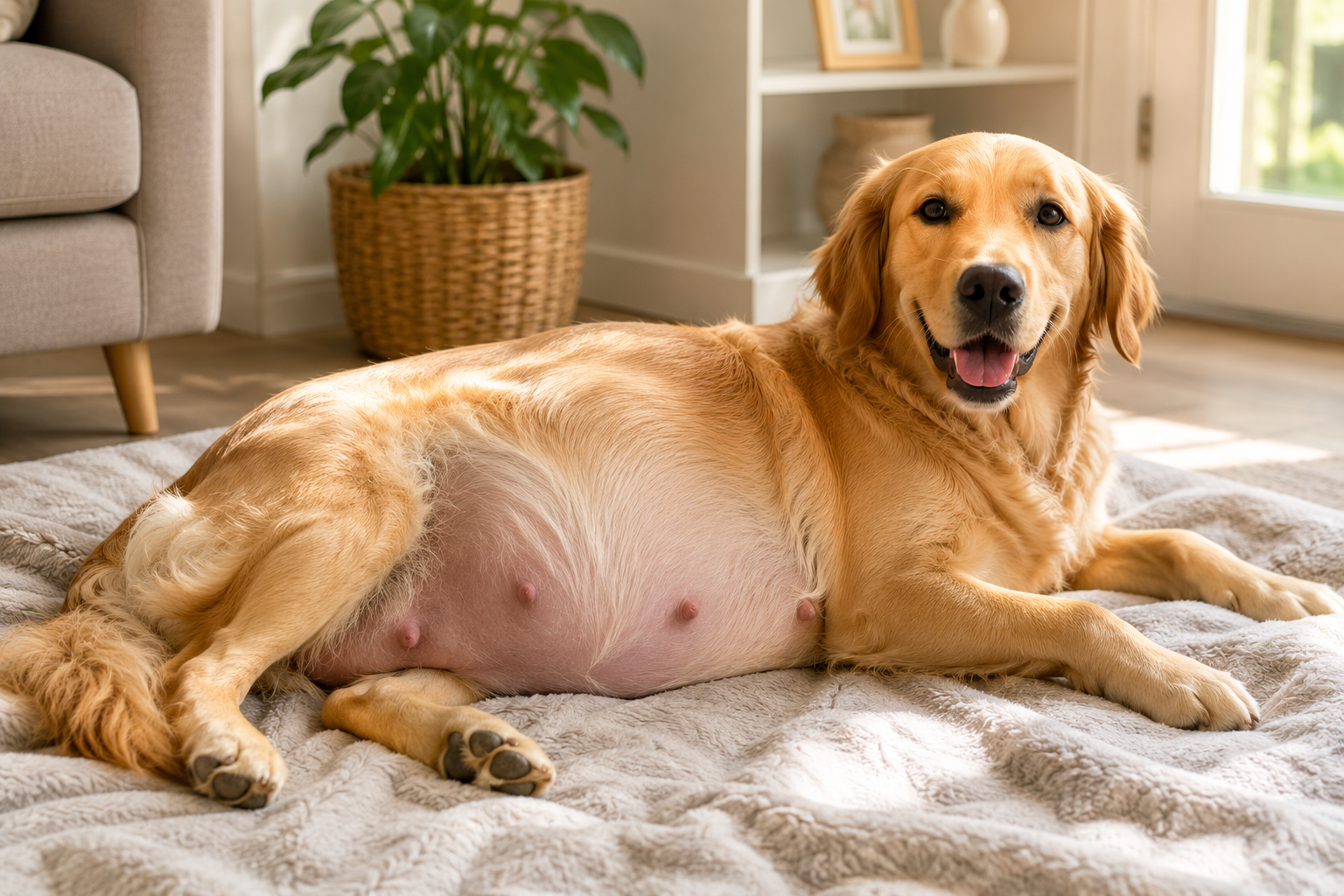
Quick Answer: Dogs are pregnant for an average of 63 days (about 9 weeks) from the time of ovulation, with most pregnancies lasting 58 to 68 days. If you’re counting from the first mating instead of ovulation, pregnancy may appear to last 57 to 72 days because sperm can survive inside the female reproductive tract for up to 10–11 days before fertilization occurs. If your dog’s pregnancy extends beyond the expected due date, or she shows signs of distress, prolonged labor, or abnormal discharge, contact your veterinarian immediately. Pregnancy Timeline at a Glance Pregnancy Stage What to Expect Weeks 1–2 Fertilization occurs. No visible signs. Weeks 3–4 Pinker nipples, mild appetite changes, pregnancy can be confirmed by ultrasound around day 28–30. Weeks 5–6 Belly enlarges, puppies grow rapidly, switch to puppy food. Weeks 7–8 Puppy movement may be felt, nesting behavior begins, prepare the whelping box. Week 9 Temperature drops before labor, puppies are ready to be born. Key Takeaways Learning that your dog is expecting puppies is exciting, but it’s also natural to wonder what happens next. Understanding how long dogs stay pregnant, what changes to expect each week, and when to seek veterinary care can help you prepare for a safe pregnancy and delivery. Most healthy dogs are pregnant for about 63 days, although the exact due date varies depending on when ovulation occurred, the breed, litter size, and individual differences. Throughout those nine weeks, your dog will experience noticeable physical and behavioral changes as her puppies grow and develop. In this guide, you’ll learn how long a dog pregnancy lasts, the week-by-week milestones, early signs of pregnancy, nutritional needs, labor preparation, emergency warning signs, and answers to the most common questions owners ask. Can You Tell If a Dog Is Pregnant at Home? While some early pregnancy signs can be noticed at home, it’s difficult to confirm pregnancy without veterinary testing. During the first few weeks, many pregnant dogs show only subtle changes that can easily be mistaken for a normal heat cycle or even a false pregnancy. Common signs you may notice at home include: Although these signs can suggest pregnancy, they aren’t definitive. Conditions such as pseudopregnancy (false pregnancy) can produce nearly identical symptoms. The most reliable way to confirm pregnancy is through your veterinarian. Ultrasound can usually detect puppies around day 28–30, while X-rays performed after day 45 provide the most accurate estimate of litter size. Practical takeaway: If you suspect your dog is pregnant, schedule a veterinary examination rather than relying on physical signs alone. Dog Pregnancy Week by Week Knowing what happens each week helps you monitor your dog’s health and prepare for the arrival of her puppies. Weeks 1–2 (Days 0–14) Weeks 3–4 (Days 15–28) Weeks 5–6 (Days 29–42) Weeks 7–8 (Days 43–56) Week 9 (Days 57–63) Practical takeaway: Begin monitoring your dog’s temperature twice daily from day 58 so you’ll recognize when labor is approaching. What Happens During the Middle of Pregnancy? Around the halfway point of pregnancy, your dog’s physical changes become much more noticeable. Her abdomen begins to enlarge, weight gain accelerates, and the growing puppies become increasingly active. By weeks 6–7, many owners can gently feel puppies moving while the mother is resting on her side. These movements are reassuring but shouldn’t be used to estimate litter size, as some puppies may be sleeping while others move repeatedly. If you want to know approximately how many puppies to expect, your veterinarian will usually recommend an X-ray between days 45 and 55. At this stage, the puppies’ skeletons have developed enough to be counted accurately. Litter size varies greatly depending on breed and genetics: Breed Size Average Litter Size Small breeds 1–4 puppies Medium breeds 4–8 puppies Large breeds 8–12 puppies Giant breeds 10+ puppies (varies) Practical takeaway: Don’t judge litter size by your dog’s belly. An X-ray in the final weeks provides the most reliable estimate. What Should I Feed a Pregnant Dog? During the first half of pregnancy, most dogs can continue eating their normal high-quality adult food. Nutritional demands increase rapidly during the final four weeks as the puppies experience their fastest period of growth. Veterinarians generally recommend transitioning to a complete and balanced puppy formula around weeks 5–6, as it provides additional calories, protein, and essential nutrients needed during late pregnancy. To support your dog’s changing nutritional needs: Practical takeaway: A high-quality puppy food usually provides everything a healthy pregnant dog needs without additional supplements. Preparing for Whelping (Giving Birth) Preparing ahead of time makes labor much less stressful for both you and your dog. Ideally, everything should be ready by week 7, giving your dog plenty of time to become comfortable with her whelping area. Your whelping box should: Your whelping kit should include: Starting around day 58, begin taking your dog’s rectal temperature twice daily. A drop below 100°F (37.8°C) usually indicates that labor will begin within the next 12–24 hours. Practical takeaway: Having your supplies ready before labor begins allows you to focus entirely on supporting your dog when the puppies arrive. How to Know When Your Dog Is About to Go Into Labor As your dog’s due date approaches, several physical and behavioral changes signal that labor is near. The most reliable indicator is a drop in body temperature below 100°F (37.8°C), which typically occurs 12–24 hours before labor begins. Other common signs include: Labor occurs in three stages: Stage 1: Early Labor The cervix begins to dilate while your dog becomes restless, pants, nests, or may even vomit. This stage usually lasts 6–12 hours, although some dogs take longer. Stage 2: Active Labor Strong abdominal contractions begin, and the first puppy is usually delivered within 1–2 hours of active pushing. Puppies may be born head-first or breech; both presentations are considered normal. Stage 3: Placenta Delivery Each puppy is normally followed by its placenta. Most mothers instinctively chew the umbilical cord and may eat the placenta after delivery. Practical takeaway: Once your dog’s temperature drops below 100°F (37.8°C),
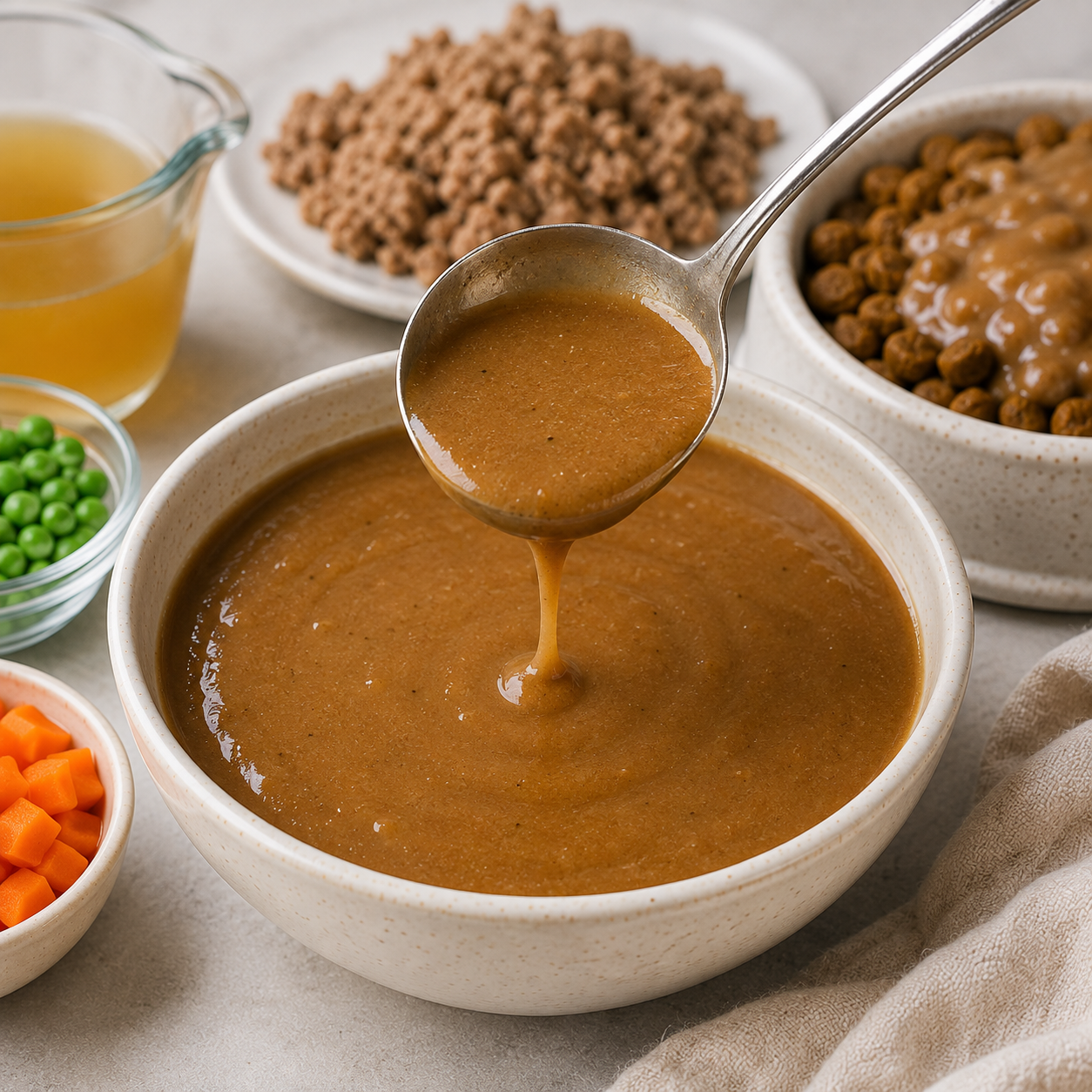
Homemade Dog Gravy: Easy Recipe for Dogs
If your dog turns up their nose at dry kibble, homemade dog gravy can be an easy way to make mealtime more appealing. This simple recipe uses low-sodium broth, lean meat, and dog-safe vegetables to add moisture and flavor without the onion, garlic, or excessive salt commonly found in human gravies. Ready in about 15 minutes, it works well as an occasional meal topper for picky eaters or dogs that enjoy softer, more flavorful food. Quick Answer Homemade dog gravy is a simple sauce made with low-sodium broth, lean meat, dog-safe vegetables, and a starch thickener such as cornstarch or arrowroot. This recipe takes about 15 minutes to make and is intended as an occasional topper for your dog’s regular food, not as a replacement for a complete and balanced diet. Unlike traditional human gravy, this version contains no onions, garlic, or added salt. Recipe Snapshot Detail Info Prep Time 5 minutes Cook Time 10 minutes Total Time 15 minutes Yield About 1½ cups (360 ml) Storage Up to 4 days refrigerated or up to 3 months frozen Diet Grain-free option available Key Takeaways Is Homemade Dog Gravy Safe for Dogs? For most healthy dogs, a small amount of homemade gravy made with dog-safe ingredients can be used as an occasional meal topper. The key is choosing simple ingredients and avoiding common additions found in human gravy, including onions, garlic, excessive salt, heavy seasoning, and large amounts of fat. This recipe uses low-sodium broth, lean cooked meat, vegetables, and a starch such as cornstarch or arrowroot to create a smooth gravy that can be spooned over your dog’s regular food. If your dog has a medical condition, food allergy, digestive sensitivity, or follows a veterinarian-prescribed diet, check with your veterinarian before adding homemade gravy to their meals. Safe Ingredients Ingredient Why It’s Used Low-sodium chicken, turkey, or beef broth Adds moisture and flavor Lean ground chicken, turkey, or beef Provides protein and flavor Cornstarch or arrowroot Thickens the gravy Carrots, peas, pumpkin, or green beans Adds texture and nutrients Ingredients to Avoid Some common ingredients in human gravy are not appropriate for dogs. Onion and garlic are particularly important to avoid. They contain compounds that can damage a dog’s red blood cells. Safety Tip: If you’re using store-bought broth, always read the ingredient label. A product labeled “low sodium” can still contain onion or garlic powder. How to Make Homemade Dog Gravy This homemade dog gravy comes together in about 15 minutes using one saucepan and a handful of simple ingredients. It’s an easy way to add moisture and flavor to your dog’s regular food. Ingredients Instructions Owner Tip: Skip the salt. The meat and broth provide plenty of flavor, and keeping the recipe simple makes it easier to control what goes into your dog’s food. Serving Tips, Storage & Variations Homemade dog gravy is meant to enhance your dog’s regular meals, not replace them. Start with a small amount mixed into your dog’s normal food. The appropriate amount depends on your dog’s size, diet, calorie needs, and individual tolerance. If your dog has a sensitive stomach, introduce the gravy gradually and watch for digestive upset. Storage Allow the gravy to cool before transferring it to an airtight container. For convenient portions, freeze the gravy in small containers or an ice cube tray and thaw individual portions as needed. Recipe Variations You can change the meat and vegetables while keeping the same basic gravy method. Variation Ingredient Swap Beef & Sweet Potato Use lean beef and cooked sweet potato Turkey & Pumpkin Use lean turkey and plain pumpkin purée Salmon & Spinach Use boneless, fully cooked salmon and a small amount of chopped spinach Bone Broth Replace regular broth with plain, dog-safe bone broth Grain-Free Use arrowroot instead of cornstarch Owner Tip: If your dog enjoys softer food, pour a small amount of gravy over their kibble and let it sit for a few minutes before serving. Common Mistakes to Avoid Using onions or garlic Never add onions, garlic, leeks, chives, or scallions to homemade dog gravy. Choosing the wrong broth Some store-bought broths contain onion, garlic, high sodium, or other seasonings. Always check the ingredient list before using broth. Serving the gravy hot Always allow the gravy to cool to lukewarm or room temperature before serving it to your dog. Adding too much Gravy should be an occasional topper rather than a large part of your dog’s diet. Too much can add unnecessary calories or cause digestive upset. Using too much fat There’s no need to add butter, coconut oil, or large amounts of other fats to this recipe. Keeping the gravy lean makes the recipe simpler and better suited to use as a food topper. Poor storage Cool leftover gravy promptly, place it in a covered container, and refrigerate or freeze it properly. Owner Tip: When introducing any new food, start with a small amount and monitor your dog for signs of digestive upset. Frequently Asked Questions Can puppies eat homemade dog gravy? Puppies can have small amounts of homemade gravy made with appropriate dog-safe ingredients, but their primary diet should remain a complete and balanced puppy food. If you’re introducing gravy to a young puppy, start with a very small amount and ask your veterinarian if you’re unsure. Can I use flour instead of cornstarch? Yes. Plain flour can be used as a thickener, although it generally produces a heavier texture and requires a little more cooking. Cornstarch and arrowroot create a smoother gravy. Can I make homemade dog gravy in a slow cooker? Yes. You can cook the meat, vegetables, and broth in a slow cooker, then transfer the liquid to a saucepan and thicken it with a cornstarch or arrowroot slurry before serving. Can I use coconut oil in dog gravy? It’s not necessary for this recipe. The gravy can be made without added oil, keeping the recipe simpler and reducing unnecessary fat. Can I add supplements to homemade dog gravy? If your dog
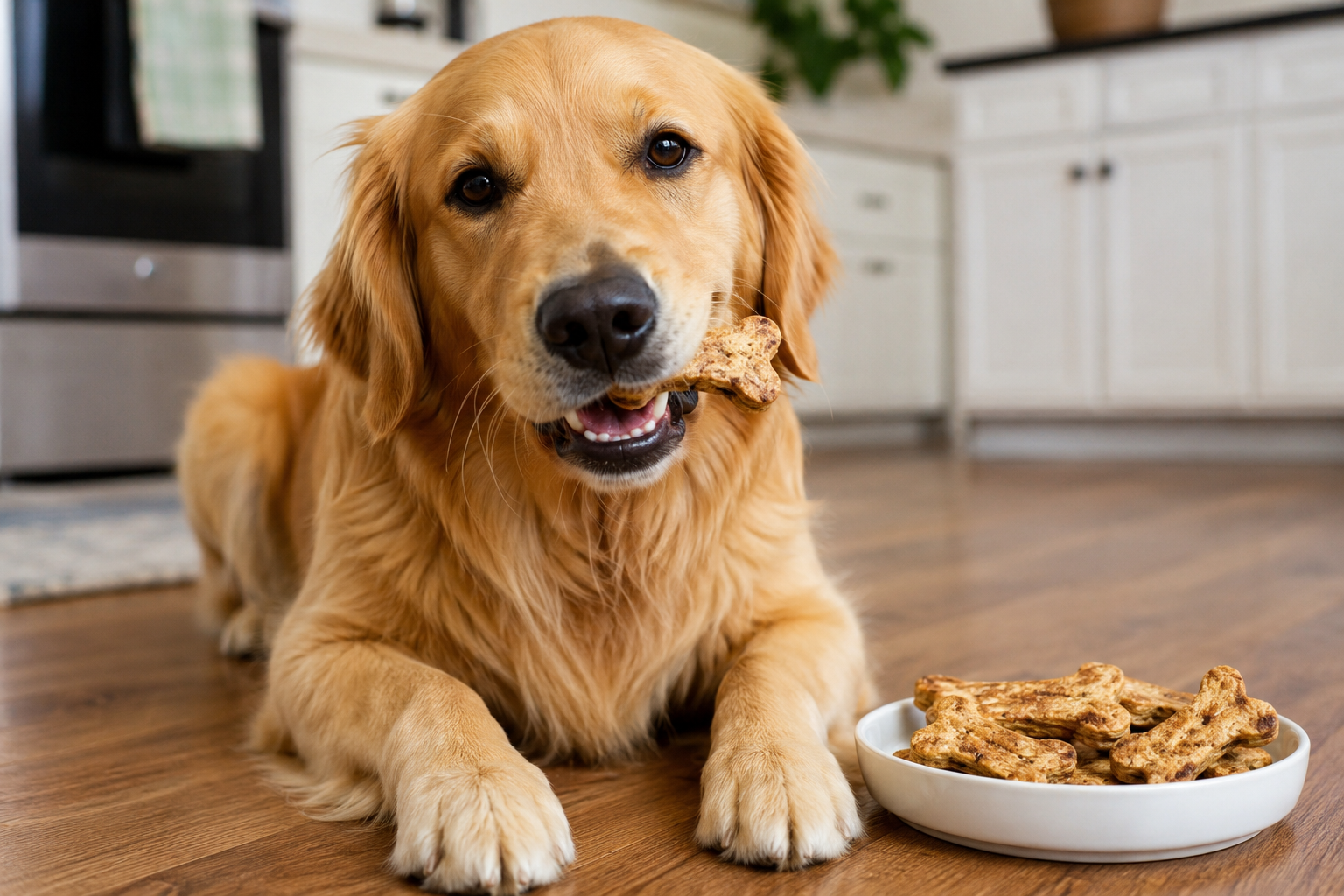
Air Fryer Banana Dog Treats
Quick Answer: Air Fryer Banana Dog Treats are an easy, homemade snack made with dog-safe ingredients like ripe bananas, oat flour, egg, and coconut oil. They cook in about 10 minutes, contain no artificial preservatives, and can be customized with other dog-safe fruits. Because bananas are naturally high in sugar, serve these treats in moderation as an occasional reward rather than a daily snack. Prep Time Cook Time Yield Difficulty 10 mins 15 mins 24 treats Easy Key Takeaways How to Make Air Fryer Banana Dog Treats Making Air Fryer Banana Dog Treats is simple and takes less than 30 minutes from start to finish. The key is using ripe bananas, measuring the flour correctly, and avoiding overcrowding the air fryer basket so the treats cook evenly. Ingredients You’ll need: If the dough feels too sticky, add a little more oat flour, one tablespoon at a time. If it’s too dry, mix in a small amount of mashed banana. Equipment You don’t need any special baking tools. 🐾 Owner Tip: Using an air fryer liner makes cleanup easier and helps prevent the treats from sticking to the basket. Step-by-Step Instructions Best Air Fryer Settings For biscuit-style treats like this recipe, cook at: If you prefer extra-crispy treats for longer storage, reduce the temperature slightly and cook for a few additional minutes while checking frequently to prevent over-browning. How to Tell When They’re Done Your treats are ready when they: If the center still feels soft after cooling, return the treats to the air fryer for another 2–3 minutes. 🩺 Vet Insight: Allow homemade dog treats to cool completely before offering them to your dog. Freshly cooked treats can retain heat inside, increasing the risk of burns to your dog’s mouth. Tips, Storage & Variations With the right storage and a few simple adjustments, you can keep your homemade Air Fryer Banana Dog Treats fresh and customize them to suit your dog’s preferences. These practical tips will help you get the best results from every batch. Air Fryer vs. Oven Both an air fryer and a conventional oven work well for making banana dog treats. An air fryer cooks the treats faster and creates a crisp exterior, making it ideal for small batches. If you’re preparing a larger quantity, an oven may be more convenient since it allows you to bake multiple trays at once. How to Store Banana Dog Treats Homemade dog treats don’t contain commercial preservatives, so proper storage is important. Discard any treats that develop mold, an unusual smell, or changes in texture. 🐾 Owner Tip: If your home is warm or humid, refrigerating the treats will help them stay fresh longer. Can You Freeze Them? Yes. These treats freeze well and are perfect for making ahead. After the treats have cooled completely, place them in a freezer-safe container or zip-top bag, removing as much air as possible before sealing. Freeze for up to 3 months. When ready to serve, thaw the treats at room temperature for about an hour. Easy Flavor Variations Once you’ve mastered the basic recipe, you can change the flavor using other dog-safe ingredients. Variation Ingredient Swap Pumpkin Replace the banana with ½ cup plain pumpkin purée. Apple Use ½ cup unsweetened applesauce instead of banana. Blueberry Mix in ¼ cup mashed blueberries. Peanut Butter Replace the coconut oil with 2 tablespoons of natural, xylitol-free peanut butter. Always avoid ingredients that are toxic to dogs, including grapes, raisins, chocolate, macadamia nuts, and products containing xylitol. 🩺 Vet Insight: Whenever you introduce a new ingredient, offer only a small amount at first and monitor your dog for digestive upset or signs of food sensitivity before serving a full portion. Common Mistakes to Avoid Even with a simple recipe, a few common mistakes can affect the texture, shelf life, or safety of homemade dog treats. Avoid these pitfalls to ensure every batch turns out delicious and dog-friendly. Using Unripe Bananas Green or underripe bananas are firmer and less sweet, making them harder to mash into a smooth dough. For the best flavor and texture, choose ripe bananas with yellow peels and brown spots. Making the Dough Too Thick Rolling the dough thicker than ¼ inch (6 mm) can leave the centers soft and undercooked. Keeping the dough evenly rolled helps the treats cook through and become pleasantly crisp. Overcrowding the Air Fryer Basket Air fryers rely on hot air circulating around the food. Placing treats too close together blocks airflow, resulting in uneven cooking. Arrange them in a single layer and cook in batches if necessary. Skipping the Cooling Time Freshly cooked treats continue to firm up as they cool. Serving them too soon may leave them soft and could burn your dog’s mouth. Always cool treats completely on a wire rack before offering them. Storing Treats Before They’re Fully Cool Placing warm treats in an airtight container traps moisture, which can shorten their shelf life and encourage mold growth. Let them cool completely before storing. Adding Unsafe Ingredients Keep the recipe simple and avoid ingredients that are toxic to dogs, including: 🐾 Owner Tip: Label homemade treats with the date they were made. This makes it easy to keep track of freshness and ensures your dog always enjoys a safe snack. Frequently Asked Questions Can I use regular flour instead of oat flour? Yes. Whole wheat flour can usually be substituted in a 1:1 ratio if your dog tolerates wheat. Oat flour remains a popular choice because it’s easy to digest and naturally gluten-free. Do I need to preheat the air fryer? Not always. Many air fryers cook well without preheating. If your model starts cold, simply add 1–2 minutes to the cooking time. Why are my banana dog treats soft? Soft treats are usually caused by one of three things: If they remain soft after cooling, return them to the air fryer for another 2–3 minutes. How many treats can I give my dog each day? Treats should account for no more than
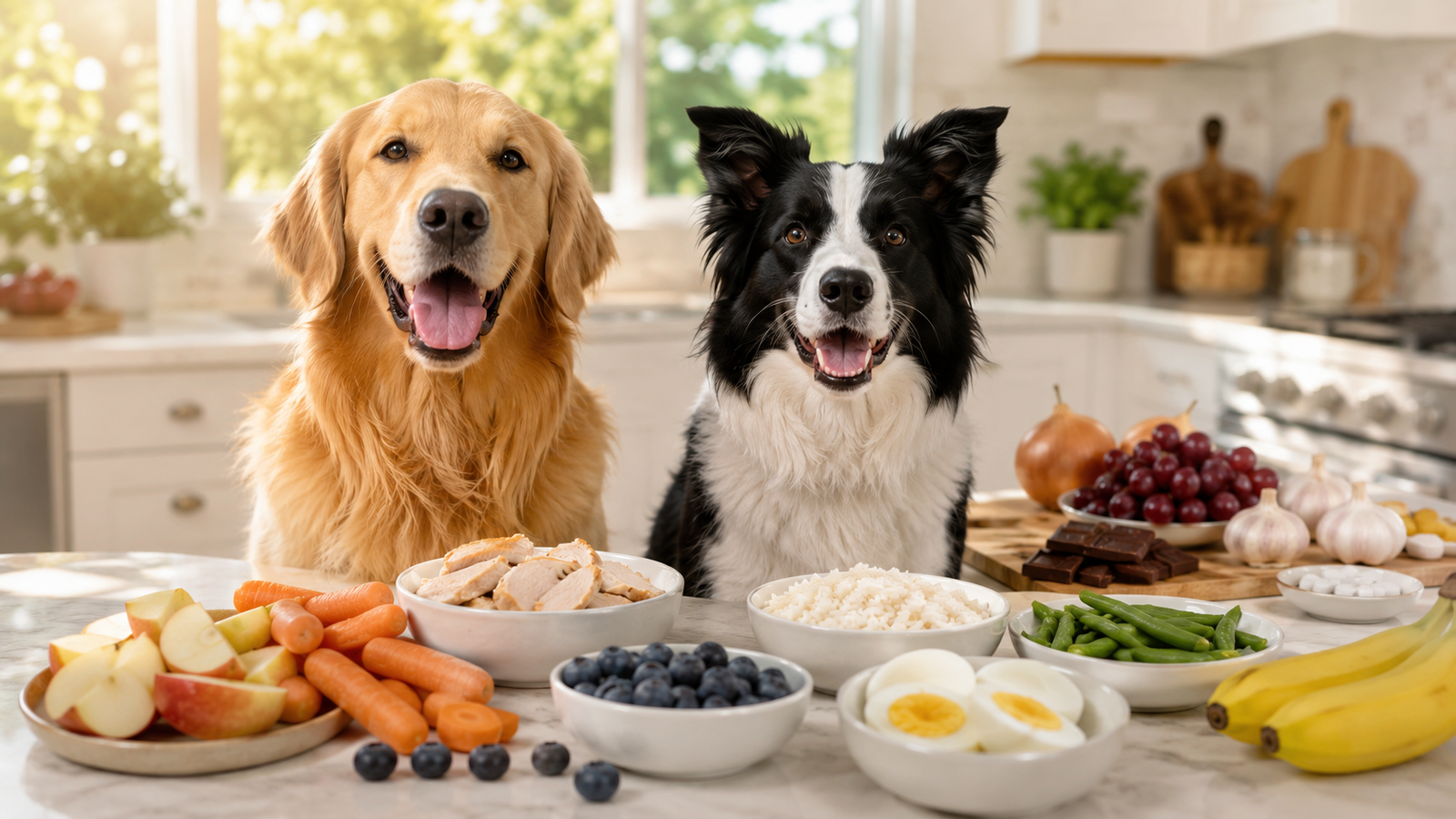
Can Dogs Eat Human Food? Safe & Toxic Foods Every Owner Should Know
Quick Answer: Yes, dogs can safely eat many human foods, including cooked chicken, plain rice, carrots, apples (without seeds), peanut butter (without xylitol), and plain yogurt. However, foods such as chocolate, grapes, raisins, onions, garlic, macadamia nuts, and anything containing xylitol are toxic and can cause serious illness or even death. Always check whether a food is safe before sharing it with your dog. Key Takeaways: Every dog owner has wondered whether it’s safe to share a bite of food with their furry friend. While some human foods can be healthy treats, others can cause serious illness—or even become life-threatening. Knowing the difference is essential for keeping your dog safe. In this guide, you’ll learn which human foods dogs can eat, which foods they should always avoid, how to introduce new foods safely, and what to do if your dog accidentally eats something toxic. Whether you’re rewarding good behavior or simply curious about sharing your meal, this article will help you make informed decisions for your dog’s health. What Human Foods Are Safe for Dogs to Eat? Many human foods are safe for dogs when fed in moderation. Plain cooked chicken, turkey, rice, carrots, green beans, apples (without seeds), and bananas can all make healthy treats. However, these foods should complement—not replace—a complete and balanced dog food. Fruits & Vegetables Dogs Can Eat Many fruits make healthy treats for dogs, including apples (without seeds), bananas, blueberries, and seedless watermelon. Serve them in bite-sized pieces and only in moderation. Green beans, carrots, pumpkin, and sweet potatoes are excellent vegetable choices for dogs. These foods provide fiber and essential nutrients while being low in calories. According to Healthline, green beans are full of vitamins and minerals. Dogs enjoy the crunch of raw carrots, which can also help with dental health. Avoid adding butter, salt, oils, or seasonings, as these ingredients can upset your dog’s stomach or be harmful. Tip When introducing any new fruit or vegetable, start with a small amount and watch for signs of stomach upset, such as vomiting or diarrhea. Every dog is different, and some may be more sensitive than others. Can Dogs Eat Chicken and Rice? Yes. Plain cooked chicken and white rice are commonly recommended by veterinarians as a temporary bland diet for dogs with mild digestive upset. Use plain, boneless, skinless chicken breast and cooked white rice with no seasonings, butter, oils, onions, or garlic. This simple meal is easy to digest and can help settle an upset stomach. However, chicken and rice should only be fed for a short time. If your dog’s vomiting, diarrhea, or loss of appetite lasts more than 24–48 hours, or if they seem lethargic or have other concerning symptoms, contact your veterinarian. Never feed cooked chicken bones, as they can splinter and cause choking, internal injuries, or intestinal blockages. The AKC confirms that cooked chicken is a safe protein source for dogs when prepared plainly and served without bones or seasoning Can Dogs Eat Fish Like Salmon, Shrimp, and Tuna? Yes. Dogs can safely eat cooked salmon, shrimp, and tuna in moderation. Fish is a great source of protein and omega-3 fatty acids, which support healthy skin and a shiny coat. Always serve fish fully cooked, plain, and boneless. Raw fish may contain harmful parasites, while fried, smoked, salted, or heavily seasoned fish can upset your dog’s stomach or contain unsafe ingredients. Tuna should only be an occasional treat because it contains higher levels of mercury than many other fish. Salmon and sardines are generally better choices for regular treats. Introduce fish gradually and watch for signs of stomach upset or an allergic reaction. Can Dogs Eat Eggs and Dairy Products Like Cheese and Yogurt? Yes. Cooked eggs are a nutritious treat for dogs, providing high-quality protein, vitamins, and minerals. Always serve eggs fully cooked to reduce the risk of harmful bacteria. Most dogs can also enjoy small amounts of plain yogurt and cheese, but some are lactose intolerant and may develop diarrhea or stomach upset. Choose plain, unsweetened yogurt and low-fat cheese, and always check labels to ensure they do not contain xylitol, which is highly toxic to dogs. Introduce dairy gradually and feed it only as an occasional treat. If your dog shows signs of digestive upset, avoid dairy products in the future. Nuts & Grains: Peanuts, Peanut Butter, Cashews, Bread, Wheat, Corn, Popcorn, and Quinoa Most nuts, grains, and cereals are safe for dogs in moderation, but some require extra caution. Plain, unsalted peanuts and peanut butter make popular treats, provided they do not contain xylitol. Cashews are also safe in small amounts, while macadamia nuts should never be fed because they are toxic to dogs. Dogs can also eat plain bread, cooked rice, wheat, corn, quinoa, and air-popped popcorn in small amounts. Avoid butter, salt, sugar, and other seasonings, and always serve corn off the cob to prevent intestinal blockages. Like all treats, these foods should only be an occasional addition to a balanced diet. Other Safe Foods: Coconut, Honey, Ham, Pork, and Turkey Yes. Dogs can safely eat coconut, honey, pork, and turkey in moderation when they are cooked and prepared properly. Turkey is an excellent lean protein, while plain cooked pork is safe as long as it’s unseasoned and trimmed of excess fat. Honey is safe in small amounts but should only be given occasionally because it’s high in sugar. Coconut can also be offered as an occasional treat, though too much may cause stomach upset in some dogs. Avoid processed meats like ham, which are often high in salt and fat. Always remove bones, skin, and excess fat from meat, and never season food with onions, garlic, or spices before serving. Which Human Foods Are Toxic to Dogs? Several everyday foods that are safe for people can be highly toxic to dogs. Some, such as chocolate, xylitol, grapes, raisins, onions, garlic, and macadamia nuts, can cause serious illness or even be fatal, even in small amounts. The severity depends on the
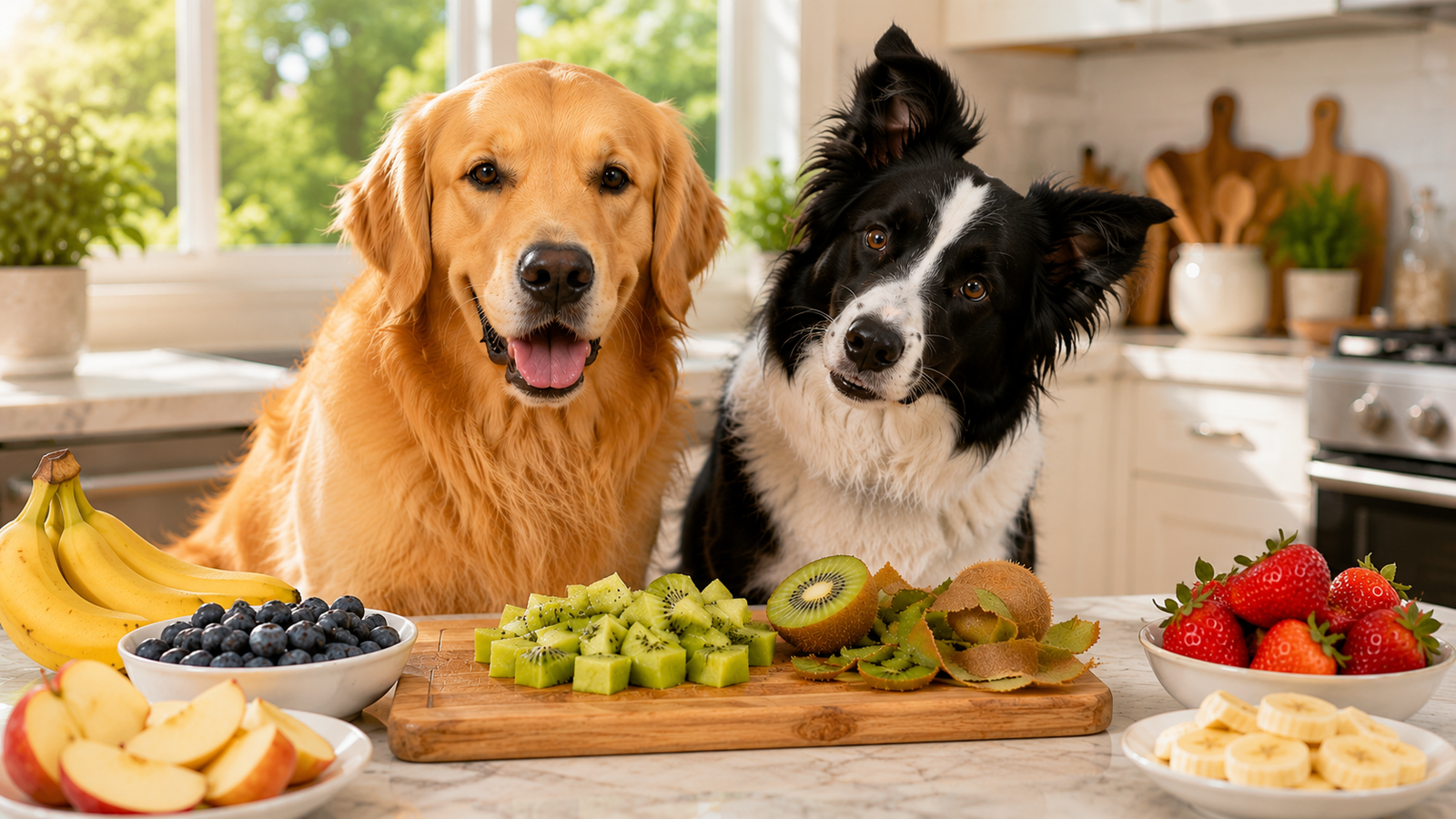
Can Dogs Eat Kiwi? Skin, Seeds & Safe Serving Guide
Quick Answer Yes, dogs can safely eat peeled kiwi in moderation. The soft flesh is non-toxic and contains beneficial nutrients, but the fuzzy skin should be removed because it can be difficult to digest and may pose a choking hazard. Introduce kiwi slowly, serve only small bite-sized pieces, and remember that fruit should be an occasional treat—not a substitute for a complete and balanced dog food. Key Takeaways Kiwi is a sweet, nutrient-rich fruit that many dog owners enjoy, so it’s natural to wonder whether it’s safe to share with your dog. The good news is that kiwi isn’t toxic, but there are a few important precautions to keep in mind. In this guide, you’ll learn whether dogs can eat kiwi safely, how much they can have, the potential health benefits and risks, how to prepare kiwi properly, and when it’s best to avoid feeding it altogether. Kiwi Safety Quick Reference Part of Kiwi Safety Status Flesh (Inside) Safe in moderation Skin (Peel) Unsafe (Choking hazard) Seeds Safe in small amounts Stem/Ends Unsafe (Remove) Is kiwi safe for dogs to eat? Yes, kiwi is safe for dogs to eat as an occasional treat, but only the soft inner flesh. The fruit contains no toxic compounds that would harm a healthy dog, making it a permissible snack outside of regular meals. The flesh provides a hydrating, low-calorie alternative to commercial treats. It contains vitamin C, vitamin K, and potassium, which support immune function and muscle health. However, kiwi should never exceed 10% of your dog’s daily caloric intake. The remaining 90% must come from a complete, balanced dog food to prevent nutritional gaps. As with any new food, introduce kiwi gradually and watch for signs of digestive upset or an allergic reaction. To help maintain a balanced diet, treats—including fruit—should make up no more than 10% of your dog’s daily calorie intake. Can dogs eat kiwi skin and seeds? Dogs should not eat kiwi skin, but the tiny black seeds are generally safe in small amounts. Although kiwi skin isn’t toxic, it’s tough, fibrous, and difficult for dogs to digest. It can also become a choking hazard, especially for small dogs or pets that tend to swallow food without chewing. For these reasons, it’s always best to peel the fruit before serving. If your dog accidentally eats a small piece of kiwi skin, monitor them for signs of choking or digestive upset, such as vomiting, gagging, excessive drooling, or abdominal discomfort. Contact your veterinarian if symptoms develop or if your dog has swallowed a large piece of peel. The small black seeds inside the fruit are not considered toxic to dogs and usually pass through the digestive tract without causing problems. However, feeding large amounts of seeds—or large quantities of kiwi in general—may contribute to mild stomach upset. What are the health benefits of kiwi for dogs? What Are the Health Benefits of Kiwi for Dogs? When fed in moderation, kiwi can provide a few nutritional benefits for dogs. It’s naturally rich in vitamin C, vitamin K, potassium, fiber, antioxidants, and water, making it a refreshing occasional treat. Some potential benefits include: Kiwi also contains an enzyme called actinidin, which may help break down proteins during digestion. However, more research is needed to determine whether this provides meaningful digestive benefits for dogs. While kiwi offers these nutrients, it shouldn’t be considered a nutritional necessity. Dogs that eat a complete and balanced commercial diet already receive the vitamins and minerals they need. Kiwi is best enjoyed as an occasional treat rather than a regular part of your dog’s diet. How to Feed Kiwi to Your Dog Safely Kiwi should only be offered as an occasional treat alongside a complete and balanced dog food. While it’s safe for most dogs, proper preparation and portion control are essential to reduce the risk of choking and digestive upset. Before serving kiwi, wash the fruit thoroughly, peel off the fuzzy skin, remove the stem and hard ends, and cut the flesh into small, bite-sized pieces appropriate for your dog’s size. Never feed your dog a whole kiwi, as it can be difficult to chew and swallow. As a general guide: Whether you choose green or golden kiwi, both varieties are safe when peeled and served in moderation. If your dog has never eaten kiwi before, start with a small piece and monitor them for the next 24 hours. While most dogs tolerate kiwi well, some may experience digestive upset due to the fruit’s fiber and natural sugar content. Stop feeding kiwi and contact your veterinarian if your dog develops: Dogs with diabetes, sensitive stomachs, or medical conditions requiring a special diet should only eat kiwi if your veterinarian recommends it. Like all treats, kiwi should make up no more than 10% of your dog’s daily calorie intake, with the remaining 90% coming from a complete and balanced dog food. Kiwi Serving Size Calculator Enter your dog’s weight to find the safe kiwi portion. Kiwi Serving Size Calculator 🥝 Kiwi Serving Size Calculator Dog’s Weight: lbs Calculate Safe Portion ✅ Recommended Kiwi Serving ⚠️ Important Safety Notes: • Always remove the skin and seeds before serving • Start with smaller amounts to test tolerance • Kiwi should only be an occasional treat • Consult your vet if your dog has digestive issues When to Call the Vet Kiwi is generally safe for dogs, but you should monitor your pet closely if they eat too much or swallow the skin. While most dogs experience no problems, some may develop digestive upset or, in rare cases, a choking hazard or intestinal blockage. Monitor Your Dog at Home If: Contact Your Veterinarian If: Seek Emergency Veterinary Care Immediately If: If you’re ever unsure whether your dog needs medical attention, it’s always safest to contact your veterinarian or an animal poison center for guidance. Early advice can help prevent more serious complications. Frequently Asked Questions Can puppies eat kiwi? Yes, puppies can eat a small amount of peeled kiwi occasionally,
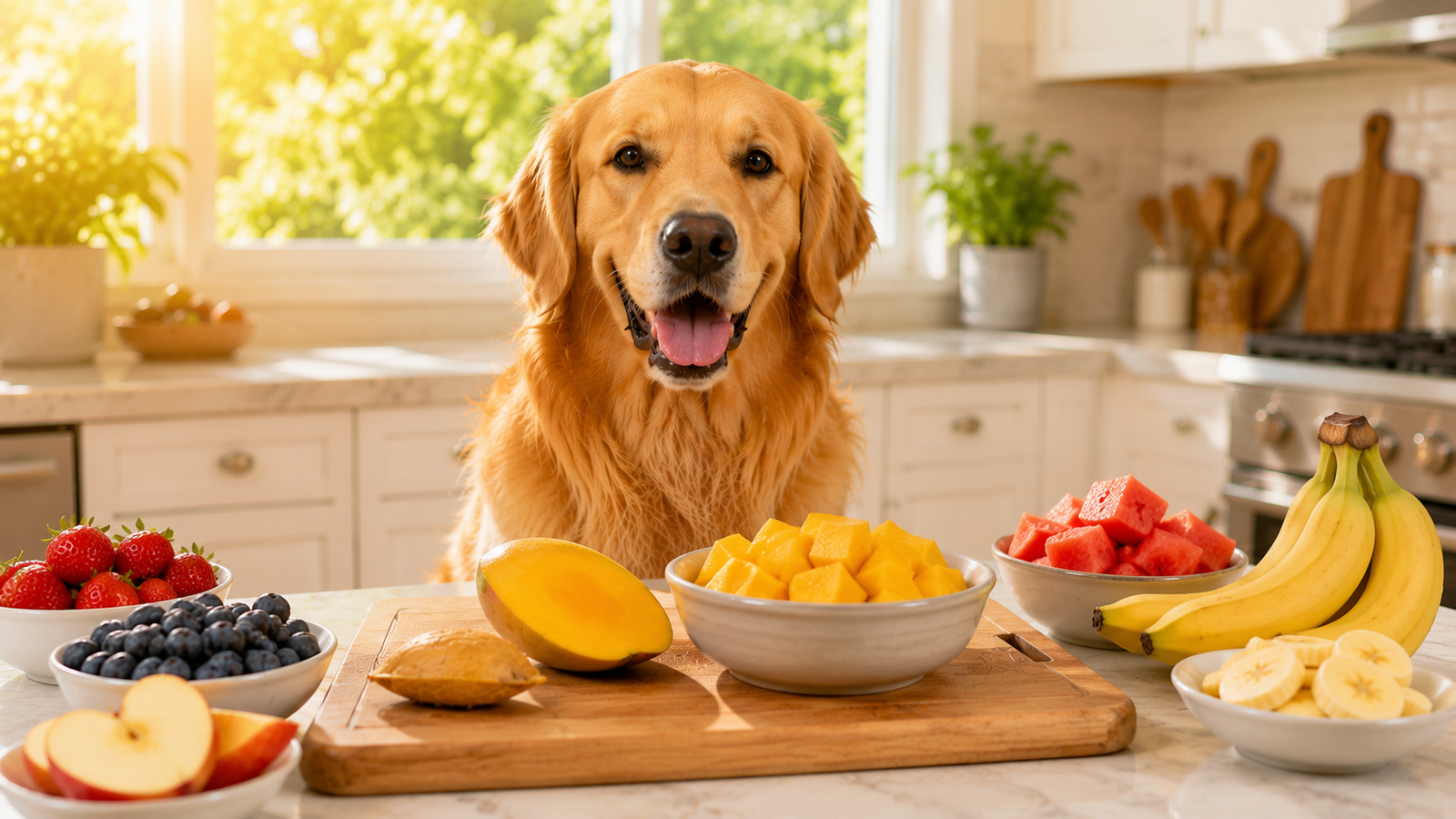
Can Dogs Eat Mango? Benefits, Risks & Safe Serving Guide
Quick Answer Yes, dogs can eat ripe mango in moderation. The soft flesh is non-toxic and provides vitamins, fiber, and antioxidants, but the pit and skin should always be removed. The pit can become a choking hazard or cause an intestinal blockage, while the skin is difficult to digest and may irritate some dogs. Introduce mango gradually, serve only small bite-sized pieces, and remember that fruit should be an occasional treat—not a replacement for a complete and balanced dog food. Key Takeaways Mango is a sweet, tropical fruit that’s packed with nutrients, making it tempting to share with your dog. The good news is that ripe mango flesh is safe for most healthy dogs, but proper preparation is essential to avoid unnecessary risks. In this guide, you’ll learn whether dogs can eat mango safely, the benefits and risks, how much to feed, the safest way to prepare it, and what to do if your dog accidentally eats the pit or skin. Can Dogs Eat Mango Safely? What the Flesh Actually Does Yes, dogs can safely eat ripe mango in moderation. The soft flesh is non-toxic and provides beneficial nutrients, including vitamins A, B6, C, and E, fiber, and antioxidants that support overall health. However, mango should only be offered as an occasional treat—not a daily part of your dog’s diet. Fresh, ripe mango is the safest choice, provided it’s peeled, the pit is removed, and the flesh is cut into bite-sized pieces before serving. While mango offers nutritional benefits, it also contains a relatively high amount of natural sugar. Too much can contribute to digestive upset, unnecessary weight gain, and blood sugar spikes, especially in dogs with diabetes or obesity. Like all treats, mango should account for no more than 10% of your dog’s daily calorie intake. For most healthy adult dogs, a few small pieces of fresh mango make a safe and enjoyable snack when served responsibly. The key is moderation and proper preparation. Is the Mango Pit Dangerous for Dogs? Yes. The mango pit is the most dangerous part of the fruit and should never be given to a dog. It poses three main risks: choking, intestinal blockage, and exposure to small amounts of naturally occurring cyanogenic compounds found inside the seed. Because mango pits are large, hard, and slippery, they can easily become lodged in a dog’s throat or digestive tract, especially in small and medium-sized breeds. If swallowed whole, the pit may cause a blockage that requires emergency veterinary treatment or even surgery. Although the pit contains only trace amounts of cyanogenic compounds, the physical risk of choking or intestinal obstruction is the much greater concern. For this reason, always remove and safely discard the pit before offering mango to your dog. What Should You Do If Your Dog Swallows a Mango Pit? Contact your veterinarian immediately if you think your dog has swallowed a mango pit. Even if your dog appears normal at first, signs of an intestinal blockage may not develop for several hours or even a day. Watch for symptoms such as: Prompt veterinary care gives your dog the best chance of avoiding serious complications. Health Benefits of Mango for Dogs When served in moderation, mango can be a healthy occasional treat for many dogs. While it shouldn’t replace a complete and balanced diet, the fruit provides several nutrients that support your dog’s overall health. Some of the key benefits include: Despite these nutritional benefits, mango is naturally high in sugar. For that reason, it should be offered only as an occasional treat rather than a daily snack. Most healthy dogs can enjoy a few small pieces of fresh mango as part of a varied, balanced diet. How to Feed Mango to Your Dog Safely The safest way to feed mango is to keep it simple. Choose a ripe mango, wash it thoroughly, remove the skin and pit, then cut the flesh into small, bite-sized pieces appropriate for your dog’s size. Fresh mango is the best option—avoid adding sugar, seasonings, or other ingredients. Use the serving guide below as a general recommendation: Dog Size Recommended Serving Extra-small (2–20 lbs) 1–2 small cubes Small (21–30 lbs) 2–3 small cubes Medium (31–50 lbs) A small handful of cubes Large (51–90 lbs) A moderate handful of cubes Extra-large (91+ lbs) Up to a large handful These amounts are occasional treats, not daily servings. Like all treats, mango should make up no more than 10% of your dog’s daily calorie intake. When introducing mango for the first time, start with one or two small pieces and monitor your dog for the next 24 hours. Eating too much mango may cause digestive upset, including vomiting, diarrhea, gas, or loose stools because of its fiber and natural sugar content. Some dogs should only eat mango in very small amounts—or avoid it altogether. This includes dogs with diabetes, obesity, pancreatitis, or sensitive stomachs, since the fruit’s natural sugar may worsen these conditions. Although mango allergies are uncommon, discontinue feeding it and contact your veterinarian if your dog develops itching, facial swelling, hives, vomiting, or diarrhea after eating it. With proper preparation and sensible portions, most healthy dogs can safely enjoy fresh mango as an occasional treat. 🚨 When to Call Your Vet Most dogs can eat a few pieces of fresh mango without any problems. However, contact your veterinarian if your dog develops concerning symptoms or eats a part of the fruit that could be dangerous. 🟡 Monitor your dog at home if they: These mild symptoms often resolve on their own. Offer plenty of fresh water and avoid giving more mango until your dog’s stomach has settled. 🟠 Contact your veterinarian if your dog: 🔴 Seek emergency veterinary care immediately if your dog: When in doubt, it’s always safest to contact your veterinarian. Early treatment can help prevent serious complications, especially if a mango pit has been swallowed. Frequently Asked Questions Can puppies eat mango? Yes. Puppies can eat a small amount of ripe mango flesh as an

Can Dogs Eat Mushrooms? Store-Bought vs. Wild Mushroom Safety
Quick Answer: Dogs can eat many store-bought mushrooms safely in small, plain portions, but wild mushrooms are a different story entirely. Several wild species are severely toxic to dogs and can cause liver failure or death. If your dog eats a wild mushroom, treat it as an emergency and contact your vet immediately. The gap between a safe portobello from the grocery store and a toxic Amanita from your backyard is enormous. Understanding that difference could save your dog’s life. 🍄 Mushroom Safety at a Glance Mushroom Type Safe for Dogs? Notes White button (store-bought) ✅ Yes Plain only, small amount Cremini / Baby bella ✅ Yes Plain only, small amount Portobello ✅ Yes Plain only, small amount Shiitake ✅ Yes Plain only, small amount Amanita (wild) 🚫 No Potentially fatal, emergency Galerina (wild) 🚫 No Potentially fatal, emergency Any unknown wild mushroom 🚫 No Never assume safe Mushrooms can be a confusing food for dog owners. While many mushrooms sold in grocery stores are safe for dogs when served plain and in moderation, wild mushrooms can be extremely dangerous. Some toxic species can cause severe liver damage, neurological problems, or even death, making it essential to know the difference. The good news is that common store-bought mushrooms such as button, cremini, portobello, and shiitake mushrooms are generally safe as an occasional treat. However, mushrooms growing in your yard, garden, or on hiking trails should never be considered safe, even if they look harmless. In this guide, you’ll learn which mushrooms dogs can eat, which varieties to avoid, the warning signs of mushroom poisoning, what to do if your dog eats a wild mushroom, and how to safely offer store-bought mushrooms as part of a balanced diet. Are All Mushrooms Dangerous to Dogs? No, not all mushrooms are dangerous to dogs. Many mushrooms sold in grocery stores, including white button, cremini, portobello, and shiitake mushrooms, are generally safe when served plain and in moderation. The greatest risk comes from wild mushrooms, which may contain toxins that can cause severe illness or even be fatal. Unfortunately, it’s almost impossible for pet owners to tell the difference between a safe and a poisonous wild mushroom. Even experienced mushroom foragers can misidentify certain species because many toxic mushrooms closely resemble harmless ones. For that reason, veterinarians recommend a simple rule: only feed your dog commercially grown mushrooms from a grocery store, and never allow them to eat mushrooms growing outdoors. If you’re unsure where a mushroom came from or what type it is, don’t let your dog eat it. Taking a cautious approach is the safest way to protect your pet from accidental mushroom poisoning. Wild Mushrooms: A Hidden Danger for Dogs Wild mushrooms are one of the most serious poisoning hazards dogs can encounter. Unlike commercially grown mushrooms sold in grocery stores, wild mushrooms can contain powerful toxins that affect the liver, kidneys, nervous system, or digestive tract. Some species are so toxic that eating even a small amount can become life-threatening. The biggest challenge is that poisonous and non-poisonous wild mushrooms often look almost identical. Because it’s nearly impossible to identify them accurately without expert knowledge, veterinarians recommend treating every wild mushroom as potentially dangerous. Some of the most toxic species include Death Cap (Amanita phalloides), Destroying Angel (Amanita ocreata), and Galerina mushrooms. These can cause severe liver damage, kidney failure, neurological problems, and, in some cases, death if treatment is delayed. Another concern is that symptoms may not appear immediately. A dog can seem perfectly normal for several hours while the toxins are already causing serious internal damage. That’s why you should never wait for symptoms before seeking veterinary advice if your dog has eaten a wild mushroom. If your dog eats any wild or unidentified mushroom, contact your veterinarian or an emergency animal poison service immediately. Early treatment gives your dog the best chance of a full recovery. What Are the Symptoms of Mushroom Poisoning in Dogs? The symptoms of mushroom poisoning vary depending on the type of mushroom your dog eats and the amount consumed. Some dogs develop signs within 30 minutes, while others may not show symptoms for several hours. In cases involving highly toxic mushrooms, delayed symptoms can be especially dangerous because serious liver or kidney damage may already be occurring. Common signs of mushroom poisoning include: Some poisonous mushrooms primarily affect the digestive system, causing vomiting and diarrhea that may resolve with treatment. Others attack the liver, kidneys, or nervous system and can quickly become life-threatening. Even if your dog seems normal after eating a wild mushroom, don’t assume they’re safe. Certain toxins have a delayed onset, meaning symptoms may not appear until significant internal damage has already occurred. If you suspect your dog has eaten a wild or unidentified mushroom, contact your veterinarian immediately rather than waiting for signs of illness to develop. 🚨 Emergency Triage: Mushroom Poisoning in Dogs Monitor at home (mild GI signs only, known safe store-bought mushroom): Mild stomach upset, single vomiting episode, normal energy level Call your vet today (symptoms developing, unknown mushroom source): Repeated vomiting, diarrhea, abdominal pain, excessive drooling, lethargy Go to emergency care NOW (any of these): Seizures, collapse, jaundice (yellow gums/eyes), bloody vomiting or diarrhea, unresponsiveness, suspected Amanita or Galerina ingestion What to Do if Your Dog Eats a Wild Mushroom If your dog eats a wild or unidentified mushroom, don’t wait for symptoms to appear. Contact your veterinarian or an animal poison control center immediately. Early treatment can make a significant difference, especially if the mushroom is highly toxic. Follow these steps: The most common mistake pet owners make is waiting to see if their dog becomes sick. Because some mushroom toxins don’t cause immediate symptoms, delaying treatment can reduce the chances of a successful recovery. When in doubt, always treat wild mushroom ingestion as a veterinary emergency. 🚨 When to Call Your Vet Contact your veterinarian immediately if your dog has eaten any wild or unidentified mushroom, even if they aren’t showing
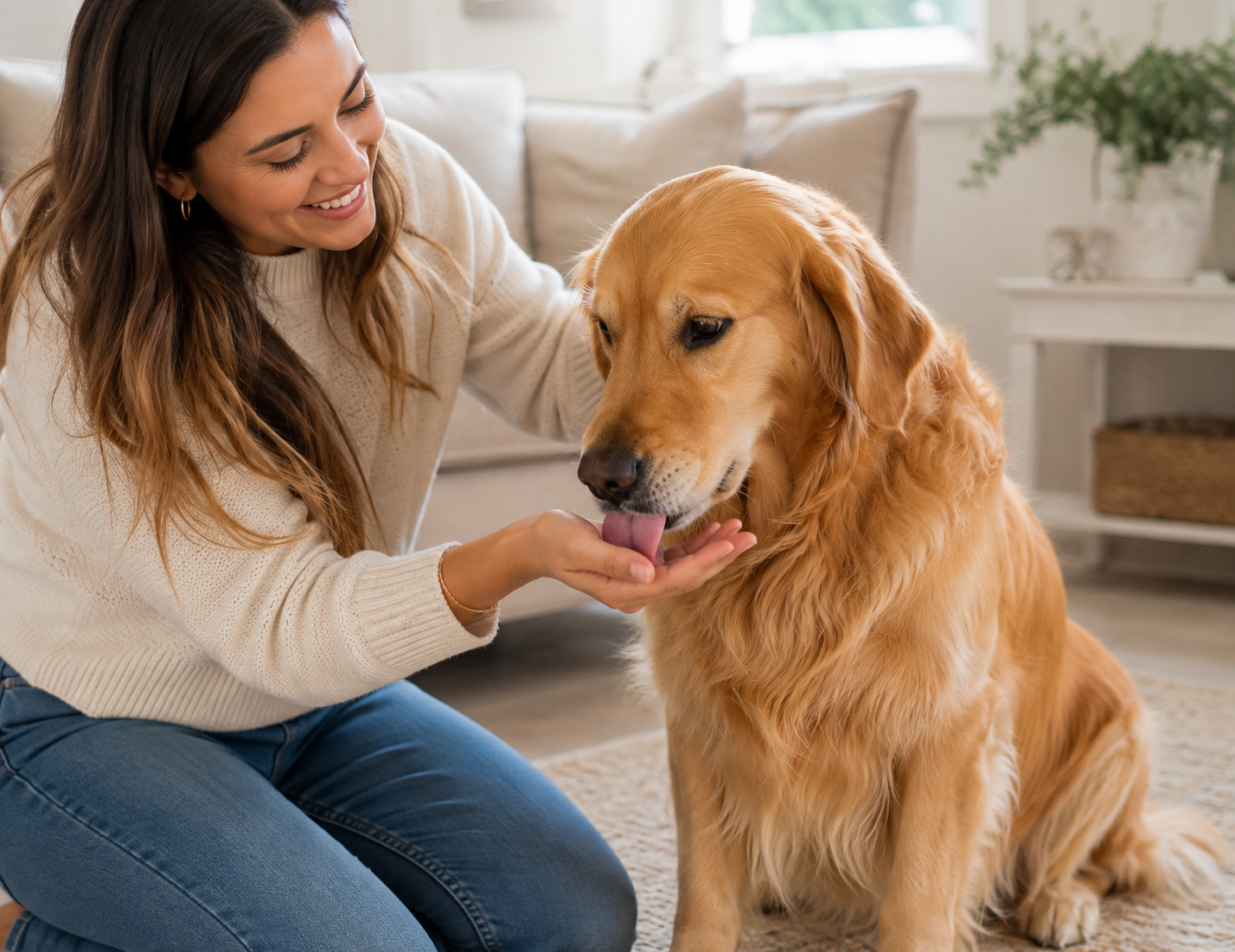
Why Do Dogs Lick? The Science Behind Common Licking Behaviors
Quick Answer: Dogs lick people, themselves, other dogs, and objects for many different reasons. Licking is a normal canine behavior used to show affection, gather information, groom, communicate, and self-soothe. While occasional licking is completely normal, excessive or sudden licking can sometimes point to allergies, anxiety, pain, or another medical problem that should be checked by a veterinarian. Key Takeaways I’ve noticed that almost every dog owner eventually asks the same question: “Why does my dog lick everything?” Whether it’s your hands, your face, their paws, the couch, or even the air, licking is one of the most common behaviors dogs display. The good news is that most licking is completely normal. Dogs use their tongues to communicate, gather information about their surroundings, strengthen social bonds, and even comfort themselves during stressful situations. However, when licking becomes excessive or suddenly changes, it can sometimes signal an underlying medical or behavioral problem. In this guide, you’ll learn why dogs lick people, why they lick their paws and wounds, when licking is normal, when it could indicate illness, and what you can do if your dog’s licking becomes excessive. Dog Licking Triage Tool Use this quick checklist to decide your next steps. Behavior Action Brief face licking during greetings Normal – No action needed Paw licking causing red fur or hair loss Call Vet – Likely allergies Air licking with lip smacking & swallowing Call Vet – Check for nausea Licking a surgical wound until it bleeds Emergency – Use cone & go Why Do Dogs Lick People? Dogs lick people for many different reasons. Most of the time, it’s a normal behavior that helps them communicate, strengthen social bonds, and learn more about the people they love. A quick lick on your hand or face is usually nothing to worry about. One of the most common reasons dogs lick people is to show affection. Licking is a social behavior that begins in puppyhood. Puppies lick their mother’s face, and many dogs carry this habit into adulthood as a way of greeting and bonding with their human family. Dogs are also naturally curious. Your skin carries scents from sweat, food, lotions, and the environment, giving your dog plenty of information through taste and smell. They’re especially attracted to the salty taste of human skin and the scent glands around your face. Licking can also be a calming signal. If you lean over your dog, make direct eye contact, or approach them during a stressful moment, they may lick you to communicate peaceful intentions and reduce tension. Some dogs develop a bedtime licking routine. As the house becomes quiet, they may lick your hand or arm before settling down to sleep. The repetitive motion helps many dogs relax, and the familiar scent of their owner provides additional comfort. However, not all licking is driven by affection. If your dog begins licking you constantly, appears restless, pants excessively, or shows other signs of stress, anxiety may be contributing to the behavior. Takeaway: Most dogs lick people to show affection, gather information, or relax. Excessive licking combined with anxious behavior may deserve closer attention. Why Is My Dog Constantly Licking Its Paws? Occasional paw grooming is completely normal, but constant paw licking usually points to an underlying problem. Allergies are one of the most common causes. Environmental allergens such as pollen, grass, or dust mites can make your dog’s paws itchy, while food allergies may also trigger persistent licking. The moisture created by constant licking can lead to yeast or bacterial infections, making the irritation even worse. Pain is another possible cause. A thorn, small cut, cracked paw pad, insect sting, or arthritis in the toes may cause your dog to repeatedly lick the affected area in an attempt to relieve discomfort. Behavioral issues can also play a role. Some dogs lick their paws out of boredom or anxiety, especially if they don’t receive enough physical exercise or mental stimulation. Treatment depends on the underlying cause. Your veterinarian may recommend allergy medication, antibiotics for infection, pain relief, or changes to your dog’s diet. If anxiety is contributing to the behavior, increasing exercise, enrichment, and training may help reduce repetitive licking. Takeaway: Persistent paw licking isn’t usually just grooming. Check for redness, swelling, cuts, or foreign objects, and contact your veterinarian if the behavior continues. Why Do Dogs Lick Wounds and Should You Stop Them? Dogs naturally lick wounds because they’re instinctively trying to clean and soothe the injured area. A few quick licks may remove dirt from a minor scrape, but repeated licking does far more harm than good. Although saliva contains enzymes that may help clean small wounds, a dog’s mouth also contains bacteria. Constant licking keeps the wound moist, damages new tissue, delays healing, and increases the risk of infection. Some dogs develop painful lick granulomas—thickened sores caused by repeated licking that can take weeks to heal. For surgical incisions or larger wounds, veterinarians recommend preventing licking altogether. An Elizabethan collar (cone), inflatable recovery collar, or protective sleeve can stop your dog from reopening the wound while it heals. Always follow your veterinarian’s aftercare instructions and keep the area clean. Takeaway: A few instinctive licks are normal, but continuous wound licking delays healing and should be prevented. Why Do Dogs Lick Other Dogs? Dogs lick one another as part of their natural social behavior. It’s a way of greeting, strengthening relationships, and maintaining harmony within a group. Many dogs gently lick another dog’s ears, face, or muzzle during friendly interactions. Puppies often lick adult dogs, and submissive dogs may lick more confident dogs to communicate peaceful intentions and avoid conflict. In homes with multiple dogs, mutual licking can also function as a form of social grooming that helps reinforce family bonds. However, licking should remain mutual and relaxed. If one dog repeatedly corners another, forces excessive licking, or causes the other dog to growl, snap, or try to escape, it’s time to interrupt the interaction and give both dogs space. Takeaway: Gentle
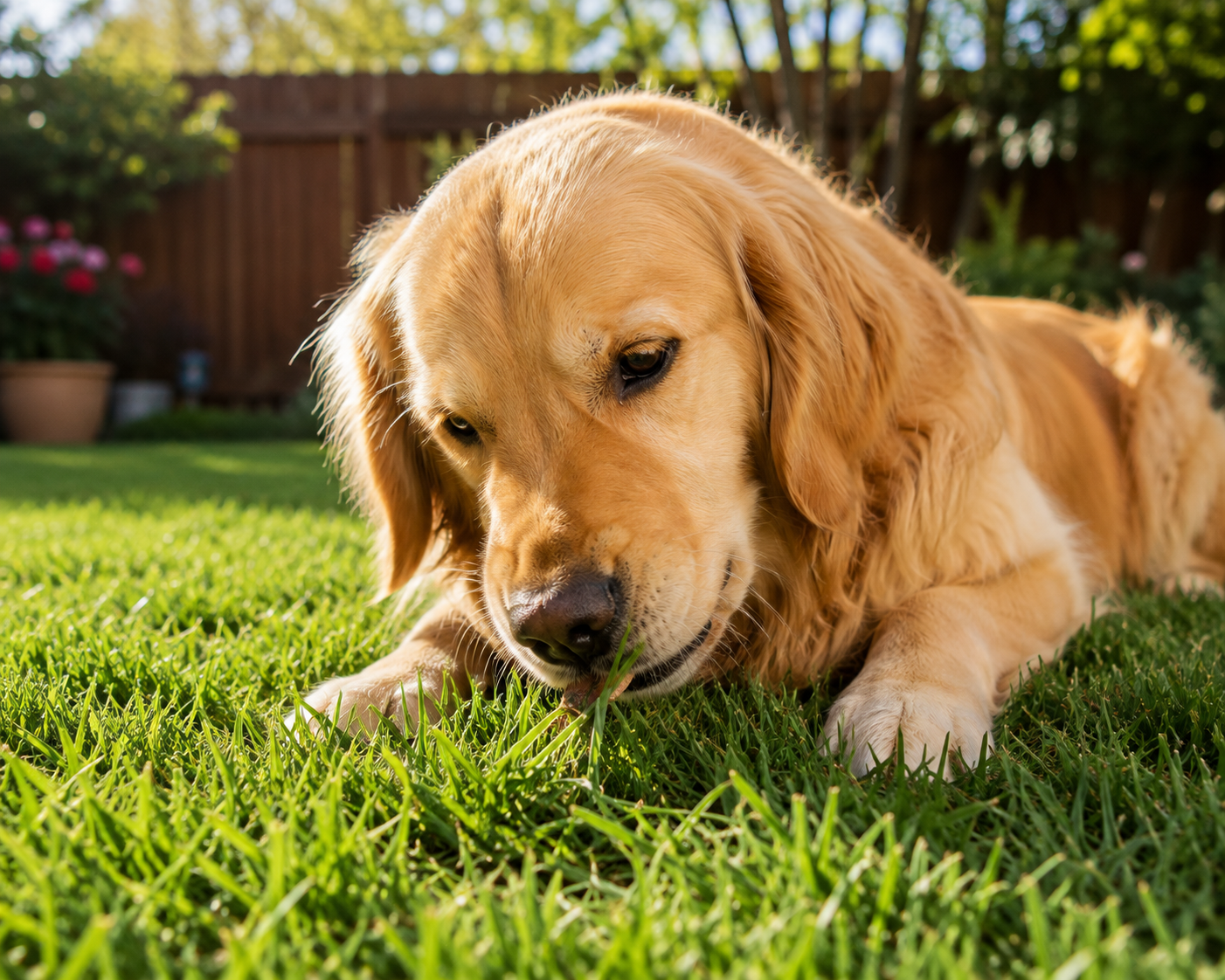
Why Do Dogs Eat Grass? Should You Be Concerned?
Quick Answer: Dogs eat grass for many different reasons, including curiosity, taste, boredom, or mild digestive discomfort. In most cases, it’s completely normal behavior and isn’t a sign that something is wrong. Studies show that fewer than 10% of dogs appear sick before eating grass, and only about 25% vomit afterward. If your dog only nibbles grass occasionally and acts normally, there’s usually no reason to worry. However, sudden, obsessive grass-eating or grazing that’s accompanied by vomiting, diarrhea, or lethargy should be checked by your veterinarian. 🚨 Grass-Eating Urgency Guide ✅ Usually Normal ⚠️ Contact Your Vet 🚨 Seek Emergency Care Key Takeaways I’ve seen many dogs stop during a walk, grab a few bites of grass, and then carry on as if nothing happened. It’s one of those behaviors that often surprises dog owners and leaves them wondering if their pet is trying to tell them something. The good news is that, for most dogs, eating grass is completely normal. Some dogs simply enjoy the taste, while others nibble grass out of curiosity, boredom, or instinct. Although many people believe dogs eat grass only when they have an upset stomach, research suggests that’s only part of the story. In this guide, you’ll learn why dogs eat grass, when it’s perfectly normal, when it could signal a health problem, and how to tell the difference between harmless grazing and behavior that deserves a call to your veterinarian. Why You’ll Find This Guide Helpful There’s a lot of conflicting information online about dogs eating grass. Some sources say it’s always a sign of an upset stomach, while others claim dogs simply enjoy it. The truth is somewhere in between. In this guide, you’ll discover: Whether your dog grabs a few blades during walks or grazes every day in the backyard, this guide will help you understand what’s normal and when you should be concerned. Why Do Dogs Eat Grass? The simple answer is that most dogs eat grass because it’s a normal part of their behavior. Wild relatives such as wolves and coyotes also eat plant material, so grazing isn’t unusual for dogs. In many cases, dogs simply enjoy the taste or texture of fresh grass, especially in the spring. Several factors may explain why dogs eat grass: Many owners believe dogs only eat grass when they have an upset stomach, but research doesn’t fully support that idea. Studies have found that fewer than 10% of dogs show signs of illness before eating grass, suggesting that digestive upset isn’t the main reason most dogs graze. That said, some dogs do appear to eat grass when they feel nauseated. In these cases, the grass may help trigger vomiting and relieve stomach discomfort. This seems to happen in some dogs, but it isn’t the most common explanation. Not every dog vomits after eating grass. In fact, only about 25% of dogs throw up afterward. When vomiting does happen, it’s often because the dog ate a large amount of grass quickly, which can irritate the stomach or throat. If your dog repeatedly vomits every time they eat grass, or vomits several times in one day, it’s important to contact your veterinarian. Takeaway: Most dogs eat grass simply because it’s normal behavior. Occasional grazing, even without vomiting, usually isn’t a cause for concern. When Is Grass Eating Dangerous? Grass itself isn’t toxic to dogs, but what grows on it—or what’s sprayed on it—can be dangerous. The biggest risks include: Long blades of grass swallowed whole can also cause gagging or irritation, although serious blockages are uncommon. The pattern of your dog’s grass-eating is often more important than the behavior itself. Sign Usually Normal May Need Veterinary Attention Frequency Occasional grazing Multiple times every day Vomiting Rare or never Every time or repeated vomiting Appetite Eating normally Refusing food Energy Normal activity Lethargy or weakness Behavior Eats a few bites then stops Obsessive grazing that’s hard to interrupt A dog that has always nibbled a little grass during walks is usually behaving normally. However, if your dog suddenly begins eating large amounts of grass, especially alongside vomiting, diarrhea, weight loss, or changes in behavior, they should be examined by a veterinarian. Takeaway: Grass is rarely the problem. Chemicals, toxic plants, parasites, and sudden changes in your dog’s behavior are the real reasons to be concerned. How Much Grass Is Too Much? There’s no exact amount of grass that’s considered “safe” because every dog is different. For most healthy dogs, eating a few blades during a walk or while relaxing in the yard isn’t a problem. The concern begins when grass-eating becomes frequent, excessive, or starts replacing normal eating habits. You should pay closer attention if your dog: Some dogs naturally graze more often than others. Personality, breed, diet, boredom, anxiety, and the amount of daily exercise all play a role. Dogs that don’t receive enough mental stimulation may also develop grass-eating as a repetitive habit. If your dog regularly eats large amounts of grass, it’s worth reviewing their diet, exercise routine, and daily enrichment before assuming there’s a medical problem. Takeaway: A few blades of grass are usually harmless. Frequent or obsessive grazing deserves a closer look, especially if it’s a new behavior. Should You Stop Your Dog From Eating Grass? Most of the time, no. Occasional grass-eating is normal and doesn’t need to be stopped. Instead of trying to eliminate the behavior completely, focus on keeping your dog safe and reducing excessive grazing if it becomes a habit. Here are a few simple ways to help: Avoid punishing your dog for eating grass. Punishment doesn’t address the underlying cause and may increase anxiety, making the behavior worse. Takeaway: You don’t need to stop occasional grass-eating. Focus on preventing access to unsafe grass and addressing excessive grazing if it becomes a regular habit. Can Puppies Eat Grass? Yes. Puppies often explore the world by putting things in their mouths, including grass. Occasional nibbling is usually a normal part of learning about their environment. Because puppies
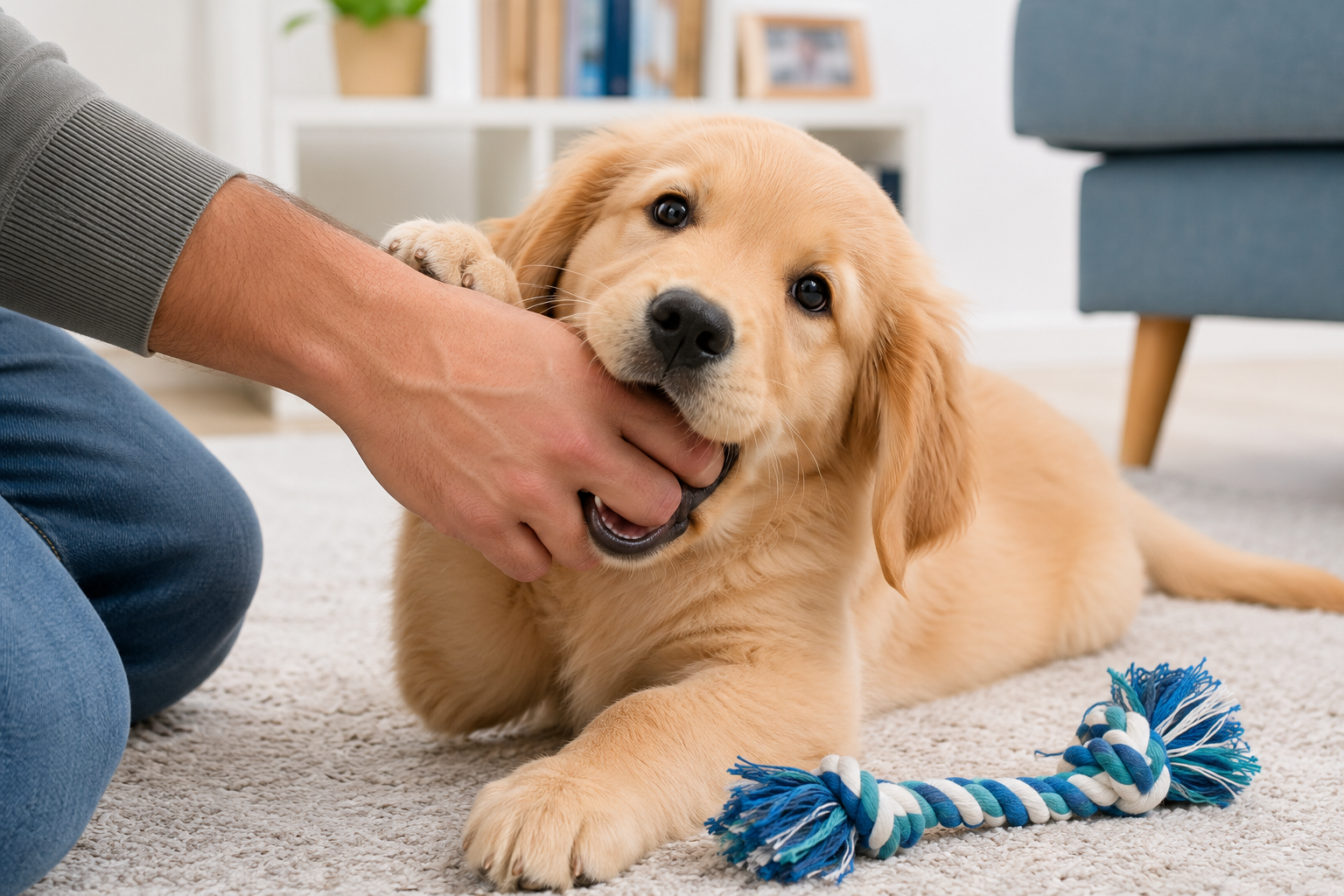
How to Stop a Puppy From Biting: Vet-Approved Training Guide
Quick Answer: To stop a puppy from biting, immediately end play whenever their teeth touch your skin, redirect them to an appropriate chew toy, and reward calm behavior. Puppy biting is a normal part of development, especially during teething and play, but consistent training teaches bite inhibition and helps puppies learn that human skin is never an acceptable chew toy. Most puppies improve significantly with patient, daily practice. However, if your puppy’s biting becomes unusually intense, causes repeated injuries, or is accompanied by stiff body language, growling, or resource guarding, consult your veterinarian or a qualified positive-reinforcement trainer to rule out underlying behavioral or medical concerns. Key Takeaways Why Do Puppies Bite? Puppy biting is a normal part of growing up. Puppies use their mouths to explore the world, interact with people and other animals, and learn how much pressure they can safely use during play. Unlike humans, who rely primarily on their hands, puppies use their mouths to investigate new objects, textures, and experiences. One of the most important skills puppies develop is bite inhibition—the ability to control the force of their bite. While living with their littermates, puppies naturally learn this skill through play. If one puppy bites too hard, the other usually yelps and stops playing. This teaches the biting puppy that rough play has consequences. When puppies join a new home, they continue practicing these behaviors with their human family. Since human skin is much more sensitive than fur, they need consistent guidance to learn that biting people immediately ends the fun. Is Puppy Biting Normal? Yes. Gentle mouthing and nipping are completely normal during the first few months of life. Puppies commonly bite because they are: Normal puppy biting is usually accompanied by loose, wiggly body language, a wagging tail, and playful behavior. While those sharp puppy teeth can hurt, this type of biting is rarely a sign of aggression. At What Age Do Puppies Stop Biting? Most puppies begin biting less between 3 and 5 months of age as they gain better impulse control and progress through teething. By 6 to 8 months, biting should decrease significantly if owners consistently reinforce appropriate behavior. Some energetic breeds, including Border Collies, Australian Shepherds, and Jack Russell Terriers, may continue mouthing longer because they naturally enjoy interactive play and movement. How Teething Affects Biting Teething is one of the biggest reasons puppies chew and bite more frequently. As adult teeth replace baby teeth—typically between 3 and 6 months of age—the gums become sore and itchy, encouraging puppies to chew on almost anything they can find. Common signs of teething include: You can help soothe sore gums by offering: Avoid cooked bones or objects that can splinter, as they may damage developing teeth or create a choking hazard. 🐾 Owner Tip: Puppies often become especially mouthy when they’re teething, tired, or overstimulated. Before assuming your puppy is being “naughty,” try offering a safe chew toy or giving them time for a nap. Puppy Biting vs. Aggression Most puppy biting is playful and harmless, but it’s important to recognize the difference between normal mouthing and behavior that may require professional attention. Playful puppies usually have loose, relaxed bodies, wagging tails, and frequently invite interaction with a play bow. Their bites are quick, playful, and not intended to injure. Aggressive behavior is very different. Puppies showing aggression may become stiff, freeze before biting, stare intensely, curl their lips, growl deeply, or guard food, toys, or other valued items. Puppy Bite Triage: Play vs. Aggression Behavior Normal Play Possible Aggression Body posture Loose and bouncy Stiff and rigid Tail Relaxed, wagging Stiff or tucked Eyes Soft, blinking Hard stare Growling Playful or excited Deep, threatening Bite Gentle mouthing Hard bite intended to injure If your puppy repeatedly displays stiff body language, hard bites, resource guarding, or bites without obvious play signals, contact your veterinarian or a qualified behavior professional for guidance. 🩺 Vet Insight: Most puppies grow out of playful biting with consistent training, but aggressive behavior should never be dismissed as “just a phase.” Early intervention greatly improves long-term outcomes. How to Stop a Puppy From Biting Teaching bite inhibition takes patience and consistency. Every member of the household should respond the same way whenever the puppy bites. Redirect to a Chew Toy Keep an appropriate chew toy within reach during play. If your puppy starts biting your hands or clothing, calmly replace your hand with the toy and encourage them to chew on that instead. End Play Immediately If your puppy’s teeth touch your skin, stop interacting right away. Stand up, fold your arms, and ignore the puppy for 10 to 20 seconds. This teaches that biting makes the fun end. Reward Calm Behavior As soon as your puppy settles down or begins chewing an appropriate toy, reward them with praise, gentle attention, or a treat. Positive reinforcement encourages good choices. Prevent Hand and Foot Biting Avoid rough games that encourage your puppy to chase hands or feet. Children should be taught to stand still like a “tree” if the puppy begins nipping, since running often encourages chasing. Choose the Right Chew Toys Offer durable chew toys designed for puppies and rotate them regularly to maintain interest. Frozen toys can also provide relief for teething puppies. Should You Yelp or Stay Quiet? Some puppies respond well to a brief “Ouch!” because it resembles feedback from littermates. Others become more excited and bite harder. If yelping increases your puppy’s excitement, quietly end play instead and redirect them to a chew toy. When Puppy Biting Becomes a Problem Although most puppy biting is harmless, some situations require closer attention. Puppy Bites That Draw Blood Sharp puppy teeth can accidentally scratch or puncture skin during play. Wash any bite that breaks the skin with soap and water and monitor for redness, swelling, or other signs of infection. Seek medical advice if the wound becomes infected or is severe. Biting That Gets Worse Instead of Better If your puppy’s biting becomes more