

Looking for a homemade treat with a little fruit and greenery? These spinach, apple, and yogurt bites are easy to prepare with simple ingredients. Plain yogurt gives the dough moisture, grated apple adds natural sweetness, and finely chopped spinach gives the treats their green color. They bake into soft, bite-sized snacks that you can make ahead and store for later. Quick Answer Yes, you can make homemade dog treats with small amounts of plain spinach, apple, and unsweetened yogurt. Combine them with oat flour and an egg, shape into small bites, and bake until cooked through. Remove all apple seeds and the core, and use yogurt without xylitol or added sweeteners. Recipe Details Detail Information Prep time 15 minutes Bake time 20–25 minutes Total time 35–40 minutes Yield About 18–22 small bites Difficulty Easy Storage Refrigerate or freeze Equipment Needed – Spinach, Apple and Yogurt Bites Ingredients You will need: Step-by-Step Instructions 1. Preheat the oven Preheat your oven to 350°F (175°C). Line a baking tray with parchment paper. 2. Prepare the apple and spinach Wash the apple, remove its core and seeds, and grate the flesh. Wash the spinach thoroughly, remove any tough stems, and chop the leaves finely. 3. Mix the wet ingredients In a large mixing bowl, combine the plain yogurt and egg. Stir until smooth. 4. Add the fruit and vegetables Mix in the grated apple and chopped spinach. Stir until the ingredients are evenly distributed. 5. Add the oat flour Gradually add the oat flour, mixing until a soft, workable dough forms. If the mixture is too sticky, add a little more oat flour. 6. Shape the bites Scoop small portions of dough and roll them into balls. Gently flatten each one or use a small silicone mold to create paw or bone shapes. Keep the portions small and similar in size so they bake evenly. 7. Bake Arrange the bites on the prepared baking tray. Bake for approximately 20–25 minutes, or until firm and cooked through. Allow them to cool completely before serving. They will become a little firmer as they cool. Spinach, Apple and Yogurt Safety Tips These ingredients can be suitable for many healthy dogs in modest amounts, but a few precautions are important. If your dog has food allergies, kidney problems, or a prescribed diet, check with your veterinarian before offering these treats. Serving Size and Storage Let the bites cool completely before serving. Start with one small bite and adjust portions according to your dog’s size and daily calorie needs. These treats are snacks, not a replacement for complete and balanced dog food. Treats should generally make up no more than 10% of your dog’s daily calories. Because the recipe contains yogurt and fresh apple, store the bites in an airtight container in the refrigerator. Use within about 3 days as a conservative homemade storage guideline. For longer storage, freeze in a sealed container for up to 2 months for best quality. Thaw individual portions in the refrigerator before serving. Discard any treats that develop an unusual smell, appearance, or texture. Frequently Asked Questions Can dogs eat spinach and apples together? Yes. Small amounts of plain apple flesh and spinach can be suitable for many healthy dogs. Remove apple seeds and the core, wash the spinach, and keep portions modest. What kind of yogurt is best for dogs? Plain, unsweetened yogurt without artificial sweeteners is the best choice. Plain Greek yogurt can also work if your dog tolerates dairy. Can I use frozen spinach? Yes. Thaw it completely and squeeze out excess water before chopping and measuring. Use plain spinach without seasoning. Can I make these treats without eggs? The egg helps hold the dough together. You can experiment with a little extra yogurt and oat flour, but the bites may be more crumbly. Are these treats suitable for puppies? Puppies may tolerate small amounts of these ingredients, but introduce new foods carefully. Offer a soft, small portion and check with your veterinarian if your puppy is very young or has a sensitive stomach. Conclusion Spinach, apple, and yogurt bites are a simple homemade snack made with everyday ingredients. Mix plain yogurt, grated apple, finely chopped spinach, oat flour, and egg, then shape and bake until firm. Keep portions small and serve occasionally as part of a balanced diet. Editorial Note This recipe is intended as an occasional treat for healthy dogs. It is not a complete or balanced meal. Always check ingredient labels and consult your veterinarian if your dog has dietary restrictions or an underlying health condition. References
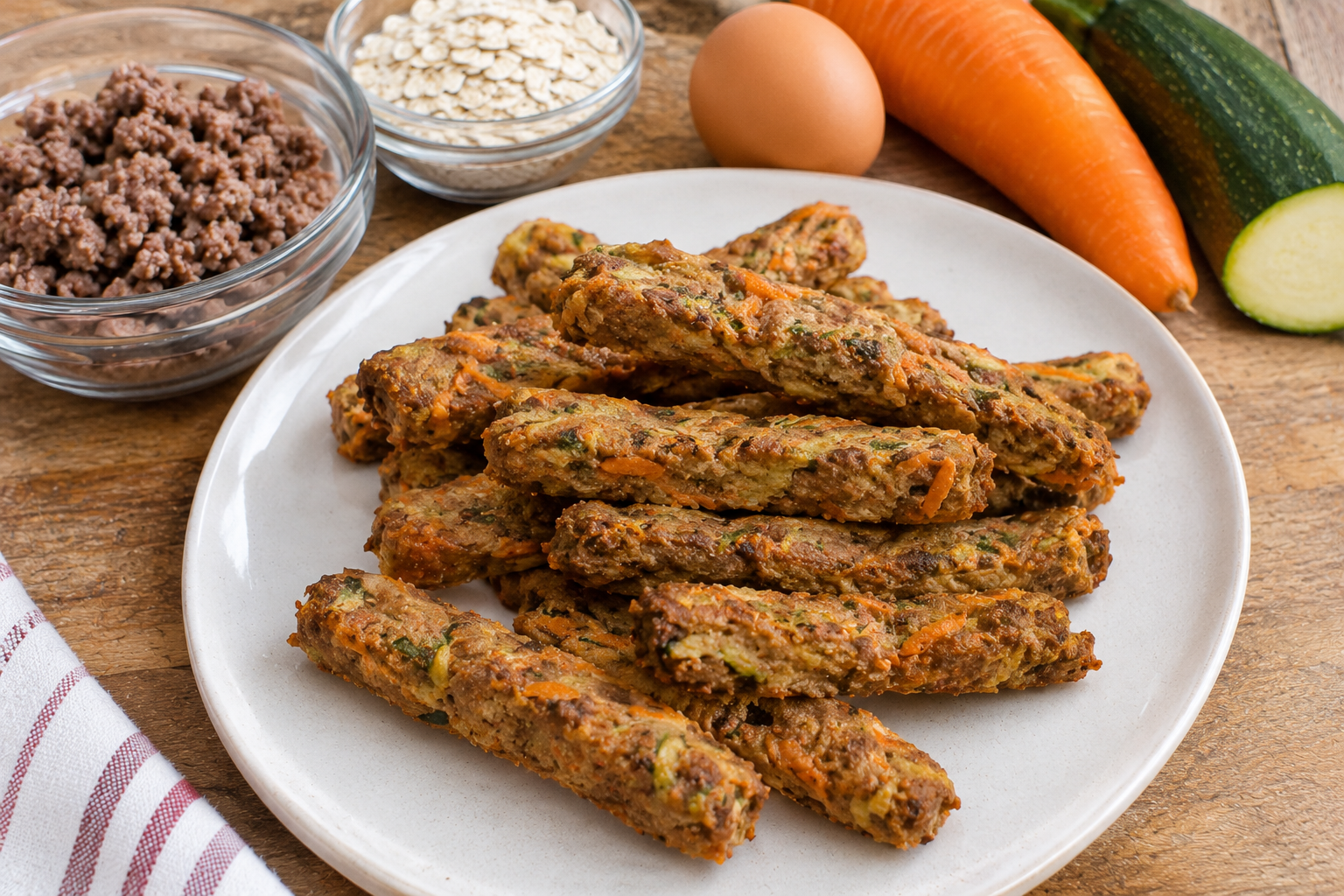
Homemade Beef and Vegetable Chew Sticks for Dogs
Treat your dog to something savory with these homemade beef and vegetable chew sticks. Made with lean ground beef, carrots, zucchini, and oats, these baked treats are a tasty way to add variety to your dog’s snack routine. They are easy to prepare, contain simple ingredients, and can be shaped into small sticks that are convenient to portion and serve. Quick Answer Yes, you can make homemade beef and vegetable treats for dogs using plain lean beef, dog-safe vegetables, oats, and an egg. Mix the ingredients, shape them into short sticks, and bake until fully cooked. Allow them to cool completely before serving. Recipe Details Detail Information Prep time 15 minutes Cook time 25–30 minutes Total time 40–45 minutes Yield About 16–20 small sticks Difficulty Easy Storage Refrigerate or freeze Equipment Needed – Beef and Vegetable Chew Sticks Ingredients You will need: Step-by-Step Instructions 1. Prepare the ingredients Preheat your oven to 350°F (175°C). Line a baking tray with parchment paper. Wash and grate the carrot and zucchini. Squeeze excess liquid from the zucchini to prevent the mixture from becoming too wet. 2. Cook the beef Place the ground beef in a skillet and cook thoroughly over medium heat. Do not add salt, oil, onion, garlic, or seasoning. Drain excess fat and allow the beef to cool slightly. 3. Mix everything together In a large bowl, combine the cooked beef, grated carrot, zucchini, and egg. Add the oat flour gradually, mixing until everything comes together into a thick, slightly firm mixture. If it feels too dry, add a little water. If it is too sticky, add a small amount of oat flour. 4. Shape the chew sticks Take small portions of the mixture and roll them into short, finger-shaped sticks. Keep them relatively thin and similar in size so they cook evenly. Avoid making them extremely hard or thick. 5. Arrange on the baking tray Place the sticks on the prepared baking sheet, leaving a little space between each one. Gently flatten them if needed to help them cook evenly. 6. Bake Bake for approximately 25–30 minutes, depending on their thickness, until cooked through and firm. Because the recipe contains ground beef and egg, make sure the centers are fully cooked. A food thermometer should read at least 160°F (71°C) in the beef mixture. 7. Cool before serving Remove the tray from the oven and allow the sticks to cool completely. Check that they are firm but not excessively hard before offering one to your dog. Beef and Vegetable Safety Tips A few simple precautions help make these treats more suitable for dogs: Dogs with pancreatitis, food allergies, kidney disease, or special dietary requirements should have homemade treats approved by their veterinarian. Serving Size and Storage Allow the chew sticks to cool completely before serving. Break them into smaller pieces for small dogs, puppies, or dogs that prefer softer treats. The appropriate amount depends on your dog’s size, activity level, daily calorie needs, and other treats they receive. Treats should generally account for no more than 10% of daily calories. Store the sticks in an airtight container in the refrigerator and use within 3 days as a conservative storage guideline. You can also freeze them in individual portions for up to 2 months for best quality. Thaw in the refrigerator before serving. Discard treats that develop an unusual smell, texture, or appearance. Frequently Asked Questions Can dogs eat beef and vegetables together? Yes. Plain, fully cooked beef and suitable vegetables such as carrots and zucchini can be used together in occasional homemade treats. Can I use chicken instead of beef? Yes. Plain ground chicken can replace beef, but cook it thoroughly to an internal temperature of 165°F (74°C). Can I make these treats without eggs? The egg helps bind the ingredients. You can experiment with a little extra oat flour and water, although the sticks may crumble more easily. Are these chew sticks suitable for puppies? They may be suitable in small, soft portions for puppies that are already eating solid food, provided they tolerate the ingredients. Avoid hard or oversized pieces and ask your veterinarian if you are unsure. How do I make the sticks softer? Make them slightly thicker and avoid baking longer than necessary, while still ensuring the beef mixture is fully cooked. Let them cool and check the texture before serving. Conclusion These homemade beef and vegetable chew sticks are a simple savory treat made with lean beef, carrots, zucchini, and oats. Shape them into small sticks, bake until thoroughly cooked, and serve in appropriate portions. Keep them as occasional snacks alongside your dog’s regular balanced diet. Editorial Note This recipe is intended as an occasional treat for healthy dogs. It is not a complete or balanced meal. Consult your veterinarian before introducing new ingredients if your dog has a medical condition or dietary restrictions. References
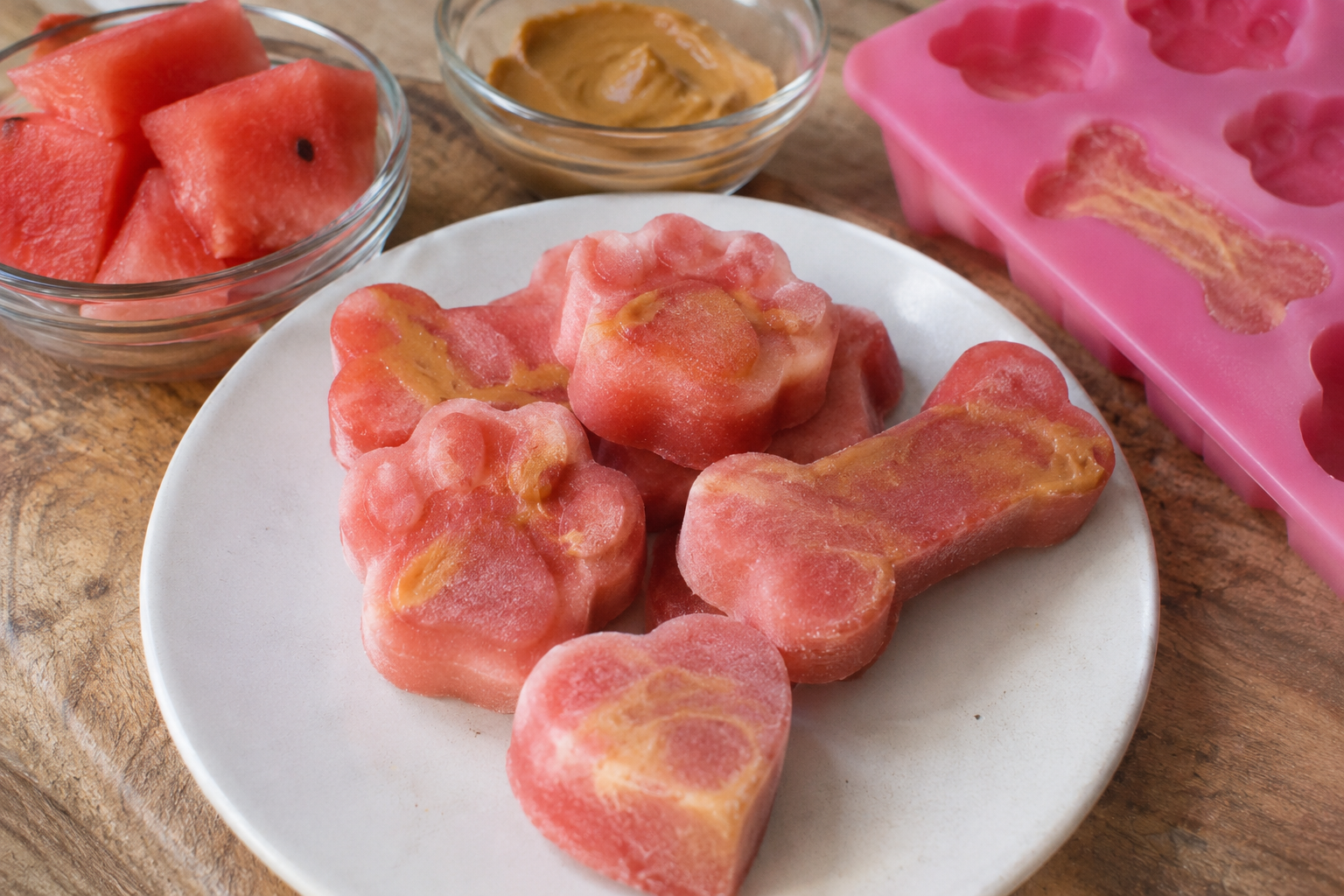
Watermelon Peanut Butter Dog Treats: Easy Frozen Recipe
Give your dog a refreshing homemade snack with these watermelon peanut butter dog treats. Made with fresh watermelon and a little dog-safe peanut butter, these frozen bites are simple to prepare and perfect for a warm day. You only need two main ingredients, a blender, and a silicone mold or ice cube tray. The watermelon provides a naturally sweet flavor, while a small amount of peanut butter adds a creamy finish. Quick Answer Yes, dogs can enjoy small amounts of fresh, seedless watermelon and plain peanut butter as occasional treats. To make these frozen bites, blend seedless watermelon, add a little xylitol-free peanut butter, portion into molds, and freeze until firm. Always remove the watermelon rind and seeds before preparing the recipe. Recipe Details Detail Information Prep time 10 minutes Freezing time 3–4 hours Total time About 4 hours Yield 12–16 small treats Difficulty Easy Cooking No baking required Equipment Needed – Watermelon Peanut Butter Dog Treats Ingredients You will need: Choose ripe watermelon and plain peanut butter without chocolate, added sweeteners, or other unsuitable ingredients. Step-by-Step Instructions 1. Prepare the watermelon Wash the outside of the watermelon before cutting it. Remove the rind and any visible seeds, then cut the red flesh into small cubes. Measure out approximately 2 cups. 2. Blend the watermelon Place the watermelon cubes in a blender and blend until smooth. Watermelon contains plenty of liquid, so you usually won’t need to add water. 3. Prepare the peanut butter Place the peanut butter in a small bowl. If it is too thick to portion easily, stir in a teaspoon of warm water to make it softer. 4. Fill the molds Pour the watermelon purée into small silicone molds or an ice cube tray, filling each compartment about halfway. Add a small dab of peanut butter to each portion. You can gently swirl it into the watermelon mixture with a toothpick. 5. Freeze Place the molds flat in the freezer and freeze for approximately 3–4 hours, or until the treats are completely firm. 6. Remove and serve Once frozen, gently remove the treats from the molds. Let one soften slightly before offering it to your dog, especially if the pieces are large or very hard. Watermelon and Peanut Butter Safety Tips Both ingredients can be suitable for many dogs in small amounts, but preparation matters. If your dog has diabetes, pancreatitis, food allergies, or a prescribed diet, ask your veterinarian before offering these treats. Serving Size and Storage Start with one small treat to see how your dog responds. The right portion depends on your dog’s size, daily calorie needs, and overall diet. These frozen bites are snacks, not meal replacements. Treats should generally make up no more than 10% of your dog’s daily calories. Store the finished treats in an airtight freezer-safe container or bag. For best quality, use within about one month. Remove only the number you plan to serve, and avoid repeatedly thawing and refreezing the batch. Do not leave the treats sitting out for long periods, especially in warm weather. Discard any that become contaminated or develop an unusual smell or appearance. Frequently Asked Questions Can dogs eat watermelon every day? Small amounts of plain watermelon may be suitable for many healthy dogs, but it should not replace their regular food. Consider your dog’s overall diet and daily calorie allowance before offering it regularly. Can I use frozen watermelon? Yes. You can blend frozen watermelon for this recipe. Allow it to soften slightly if your blender struggles with frozen pieces, and make sure all seeds and rind have been removed. Is peanut butter safe for dogs? Plain peanut butter can be suitable for many dogs in small amounts. Always check the label for xylitol and avoid chocolate-flavored or heavily sweetened varieties. Can I make these treats without peanut butter? Yes. Simply freeze the blended watermelon in small molds. The treats will still be refreshing, although they won’t have the peanut butter swirl. Can puppies eat frozen watermelon treats? A puppy may tolerate a tiny amount of plain watermelon, but frozen treats can be too hard for some young dogs. Offer a softened, very small portion only if appropriate, and ask your veterinarian if your puppy is still very young or has a sensitive stomach. Conclusion Watermelon peanut butter dog treats are an easy frozen snack made with just two main ingredients. Blend fresh seedless watermelon, add a little xylitol-free peanut butter, and freeze in small portions. Remember to remove the rind and seeds, keep servings modest, and enjoy these refreshing bites as an occasional treat. Editorial Note This recipe is intended as an occasional snack for healthy dogs. It is not a complete or balanced meal. Always check ingredient labels and consult your veterinarian if your dog has dietary restrictions or an underlying health condition. References
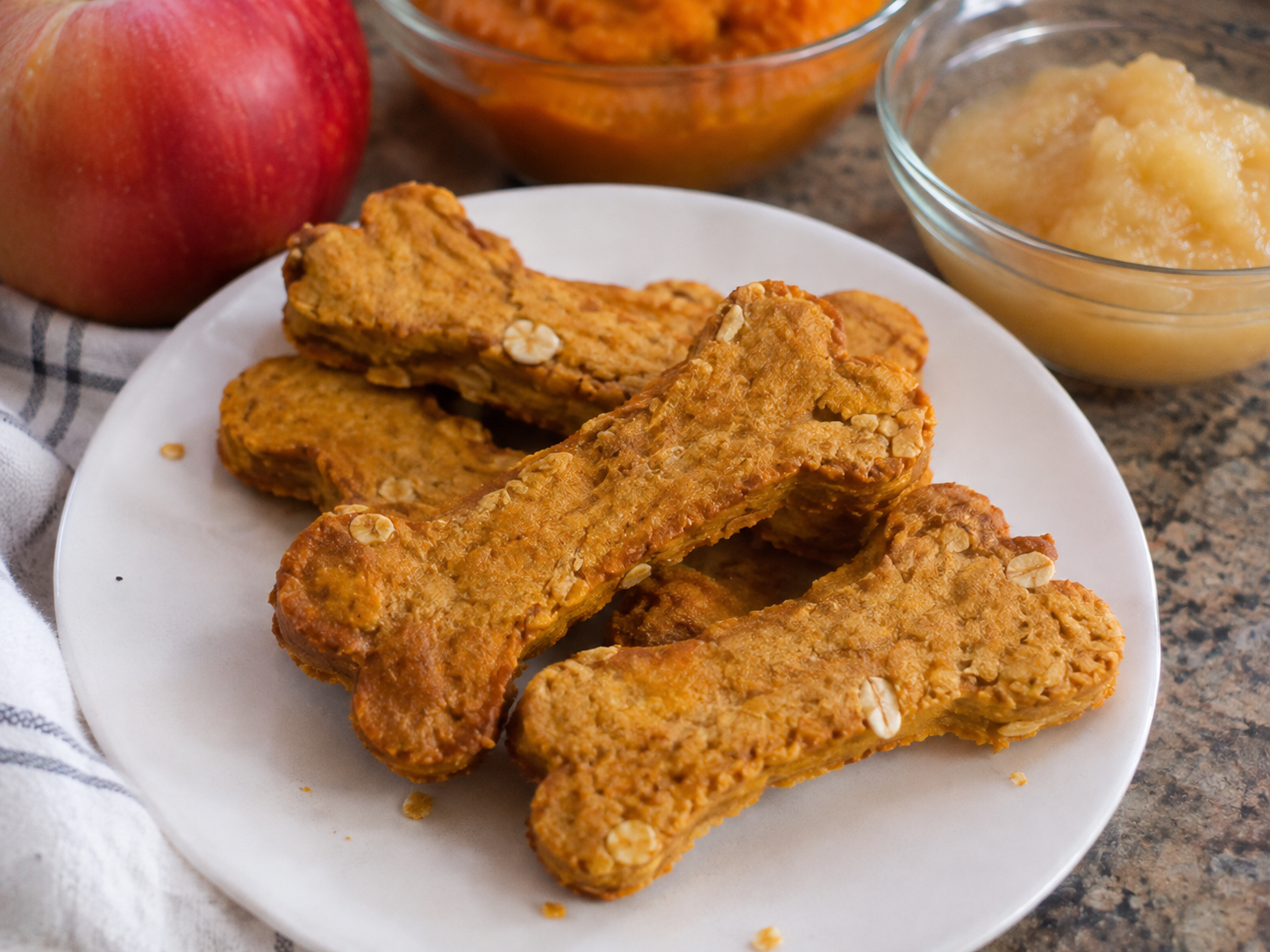
Applesauce and Pumpkin Dog Treats: Easy Homemade Recipe
These applesauce and pumpkin dog treats are a simple homemade snack made with a few dog-friendly ingredients. Pumpkin adds moisture and flavor, while unsweetened applesauce helps bring the dough together. With a little oat flour and an egg, you can make crunchy, bite-sized treats right in your kitchen. They are easy to prepare, freezer-friendly, and perfect for dogs who enjoy a little homemade variety. Quick Answer Yes, plain pumpkin and unsweetened applesauce can be used together in homemade dog treats. Combine them with oat flour and an egg, shape the dough, and bake until firm. Avoid sweetened applesauce, pumpkin pie filling, and products containing xylitol. Recipe Details Detail Information Prep time 15 minutes Bake time 25–30 minutes Total time 40–45 minutes Yield About 25–30 small treats Difficulty Easy Storage Refrigerate or freeze Ingredients You will need: You may need a little extra oat flour if the dough feels too sticky. Step-by-Step Instructions 1. Preheat the oven Preheat your oven to 350°F (175°C). Line a baking sheet with parchment paper. 2. Mix the wet ingredients In a large bowl, combine the pumpkin purée, unsweetened applesauce, and egg. Stir until the mixture is smooth and evenly combined. 3. Add the oat flour Gradually add the oat flour, mixing as you go. Continue until a soft dough forms. The dough should be workable without sticking excessively to your hands. Add a little more oat flour if necessary. 4. Roll out the dough Lightly flour a clean surface with oat flour. Roll the dough to approximately ¼ inch thick. 5. Cut into shapes Use a small cookie cutter to cut the dough into bone shapes, circles, or simple squares. Place the treats on your prepared baking sheet, leaving a little space between them. 6. Bake Bake for approximately 25–30 minutes, or until the treats are firm and lightly golden around the edges. Thicker treats may need additional baking time. Allow them to cool completely before serving. They will firm up further as they cool. Peanut Butter and Pumpkin Safety Tips These treats do not require peanut butter, but ingredient safety still matters. If your dog has food allergies, digestive problems, diabetes, or a prescribed diet, ask your veterinarian before introducing homemade treats. Serving Size and Storage Let the treats cool completely before offering one to your dog. Start with a small piece, especially if your dog has not eaten pumpkin or applesauce before. The appropriate amount depends on your dog’s size, daily calorie needs, and other treats they receive. Treats should generally account for no more than 10% of a dog’s daily calories. Because these treats contain moist ingredients, store them in an airtight container in the refrigerator. Use within about 5 days as a conservative homemade storage guideline. For longer storage, freeze them in a sealed freezer-safe container for up to 2 months. Thaw individual portions in the refrigerator before serving. Frequently Asked Questions Can dogs eat pumpkin and applesauce together? Yes. Plain pumpkin and unsweetened applesauce can be used together in small amounts in homemade dog treats. Introduce them gradually and watch for digestive changes. Can I use canned pumpkin? Yes. Choose 100% plain canned pumpkin purée. Do not use pumpkin pie filling, which may contain added sugar and spices. Can I use regular flour instead of oat flour? Plain wheat flour can work if your dog tolerates wheat. Oat flour is a convenient alternative, but dogs with grain allergies or special dietary needs may require a different recipe. Why is my treat dough too sticky? Pumpkin and applesauce contain moisture, so dough consistency can vary by brand. Add oat flour gradually, one tablespoon at a time, until the dough is easier to roll and cut. Can I make these treats crunchy? Yes. You can bake them a little longer at the same temperature until they become firmer, watching closely to prevent burning. Allow them to cool completely before checking the final texture. Conclusion Applesauce and pumpkin dog treats are an easy way to make a homemade snack with simple ingredients. Mix plain pumpkin, unsweetened applesauce, egg, and oat flour, then shape and bake until firm. Remember to keep portions small, check ingredient labels, and store the finished treats properly. Editorial Note This recipe is intended as an occasional treat for healthy dogs, not a complete or balanced meal. Ingredient tolerances vary between dogs. Consult your veterinarian if your dog has a medical condition or dietary restrictions. References
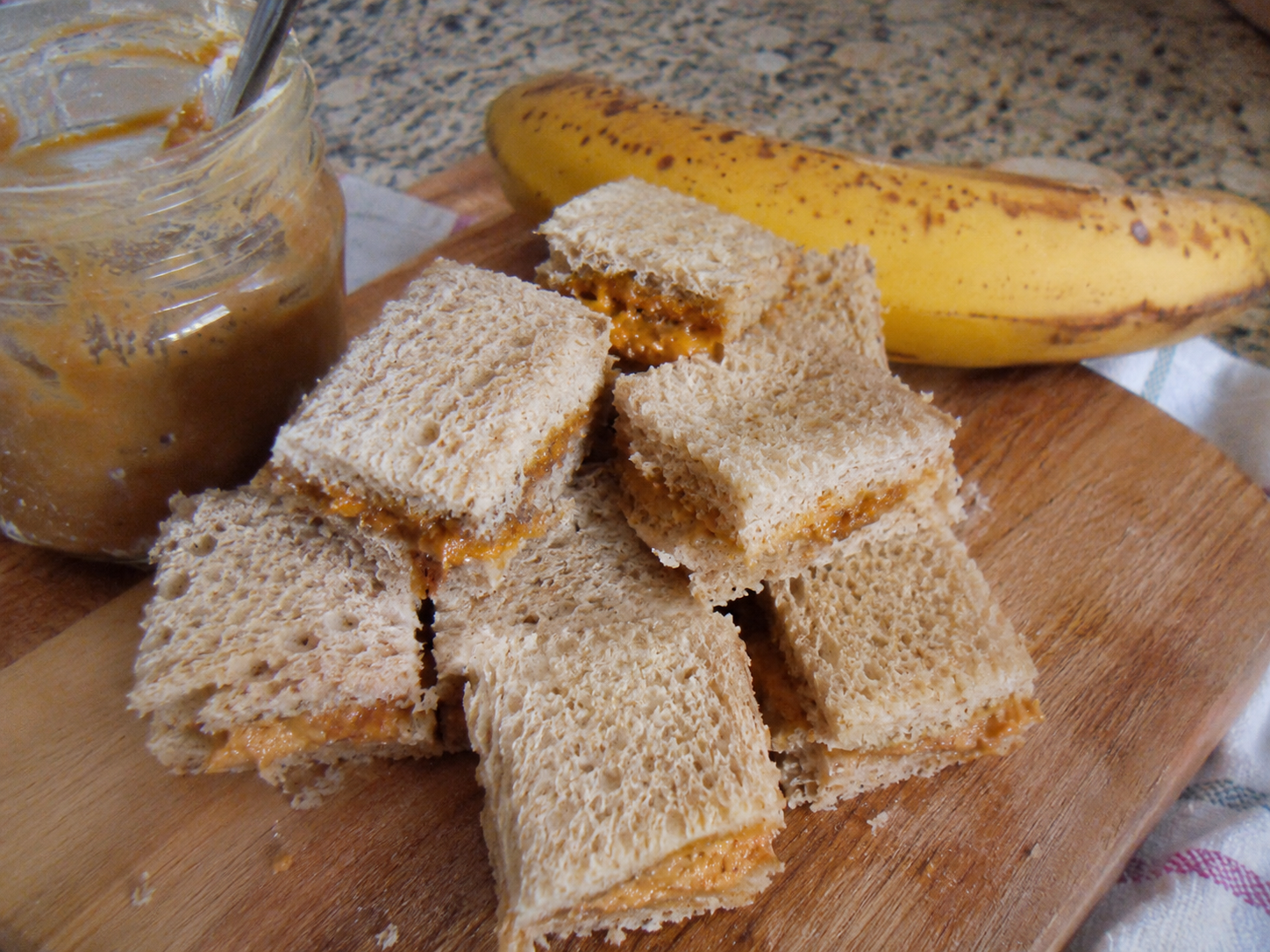
Peanut Butter Sandwich Dog Treats: An Easy Homemade Recipe
Looking for a simple homemade treat your dog can enjoy? These peanut butter sandwich dog treats are easy to prepare with everyday ingredients and require no baking. A little peanut butter spread between small pieces of bread makes a tasty occasional snack for dogs that tolerate both ingredients. The recipe takes about 10 minutes to prepare and can be adjusted into small portions for different dog sizes. The most important step is choosing peanut butter without xylitol and keeping serving sizes modest. Quick Answer Yes, you can make simple peanut butter sandwich treats for dogs using plain bread and dog-safe peanut butter. Use peanut butter that contains no xylitol, avoid bread with raisins or other unsafe ingredients, and serve the treats occasionally because peanut butter is calorie-dense. Recipe Details Detail Information Preparation time 10 minutes Cooking time None Total time 10 minutes Yield About 16 small bites Difficulty Easy Storage Refrigerate in an airtight container Ingredients You will need: You can leave out the banana if you prefer a simple peanut butter filling. Step-by-Step Instructions 1. Prepare the filling Place the peanut butter in a small mixing bowl. If you’re using banana, mash it thoroughly with a fork and mix it into the peanut butter until smooth. If the mixture is too thick to spread, add a little water, one teaspoon at a time. 2. Prepare the bread Lay the bread slices on a clean cutting board. Remove the crusts if they are too firm for your dog or if you want smaller, softer treats. 3. Spread the peanut butter mixture Spread a thin layer of the filling over two slices of bread. Avoid using too much peanut butter, since it is high in fat and calories. 4. Make the sandwiches Place the remaining bread slices on top and press gently to hold the sandwiches together. 5. Cut into small treats Use a knife or cookie cutter to divide each sandwich into small squares or bite-sized shapes. Make the pieces appropriate for your dog’s size and chewing ability. 6. Serve Offer one small piece at first, especially if your dog has not eaten peanut butter or banana before. Watch for digestive upset or signs of an allergic reaction. Peanut Butter Safety Tips Peanut butter can be suitable for many dogs in small amounts, but the ingredients matter. Always check for xylitol. Xylitol is a sweetener that can cause dangerously low blood sugar and liver injury in dogs. It may also appear on labels as birch sugar or wood sugar. Never use peanut butter containing this ingredient. If your dog eats a product containing xylitol, contact a veterinarian or emergency veterinary clinic immediately. Keep these additional precautions in mind: Dogs with pancreatitis, food allergies, weight concerns, or a prescribed diet may need different treats. Ask your veterinarian before introducing this recipe if your dog has a medical or dietary condition. Serving Size and Storage These sandwiches are treats, not a replacement for your dog’s regular balanced food. Cut them into small pieces and adjust the amount to your dog’s size, daily calorie needs, and overall diet. Treats should generally make up no more than 10% of a dog’s daily calories, with the rest coming from a complete and balanced diet. Because this recipe contains moist ingredients, especially banana, store leftovers in an airtight container in the refrigerator. For best quality, use within 2–3 days and discard anything that develops an unusual smell, appearance, or texture. You can also freeze individual pieces in a freezer-safe container. Thaw a portion in the refrigerator before serving, and don’t leave the sandwiches sitting out for extended periods. Frequently Asked Questions Can puppies eat peanut butter sandwich treats? Some puppies can enjoy a tiny amount of dog-safe peanut butter, provided it contains no xylitol and they tolerate the ingredients. Introduce new foods carefully, and check with your veterinarian if your puppy is very young or has a sensitive stomach. Can I use whole-wheat bread? Plain whole-wheat bread can be used if your dog tolerates wheat. Check the ingredient list carefully and avoid bread containing raisins, garlic, onion, or other unsuitable additions. Can I make these treats without banana? Yes. Simply mix the peanut butter with a little water if needed to make it easier to spread. The banana is optional. How many peanut butter sandwich treats can my dog eat? There is no single serving size suitable for every dog. Start with a small piece and account for the treat’s calories within your dog’s daily allowance. Smaller dogs generally need smaller portions. Can I bake these sandwiches? This recipe is designed to be served without baking. Baking may change the texture and make the bread harder, so it is unnecessary for this simple version. Conclusion Peanut butter sandwich dog treats are an easy homemade snack that requires only a few ingredients and little preparation. Use plain bread, choose peanut butter that is completely free of xylitol, and cut the sandwiches into small portions. Serve them occasionally alongside your dog’s regular balanced diet. Editorial Note This recipe is intended as an occasional treat for healthy dogs. It is not a complete or balanced meal. Always check ingredient labels and consult your veterinarian if your dog has dietary restrictions or an underlying health condition. References
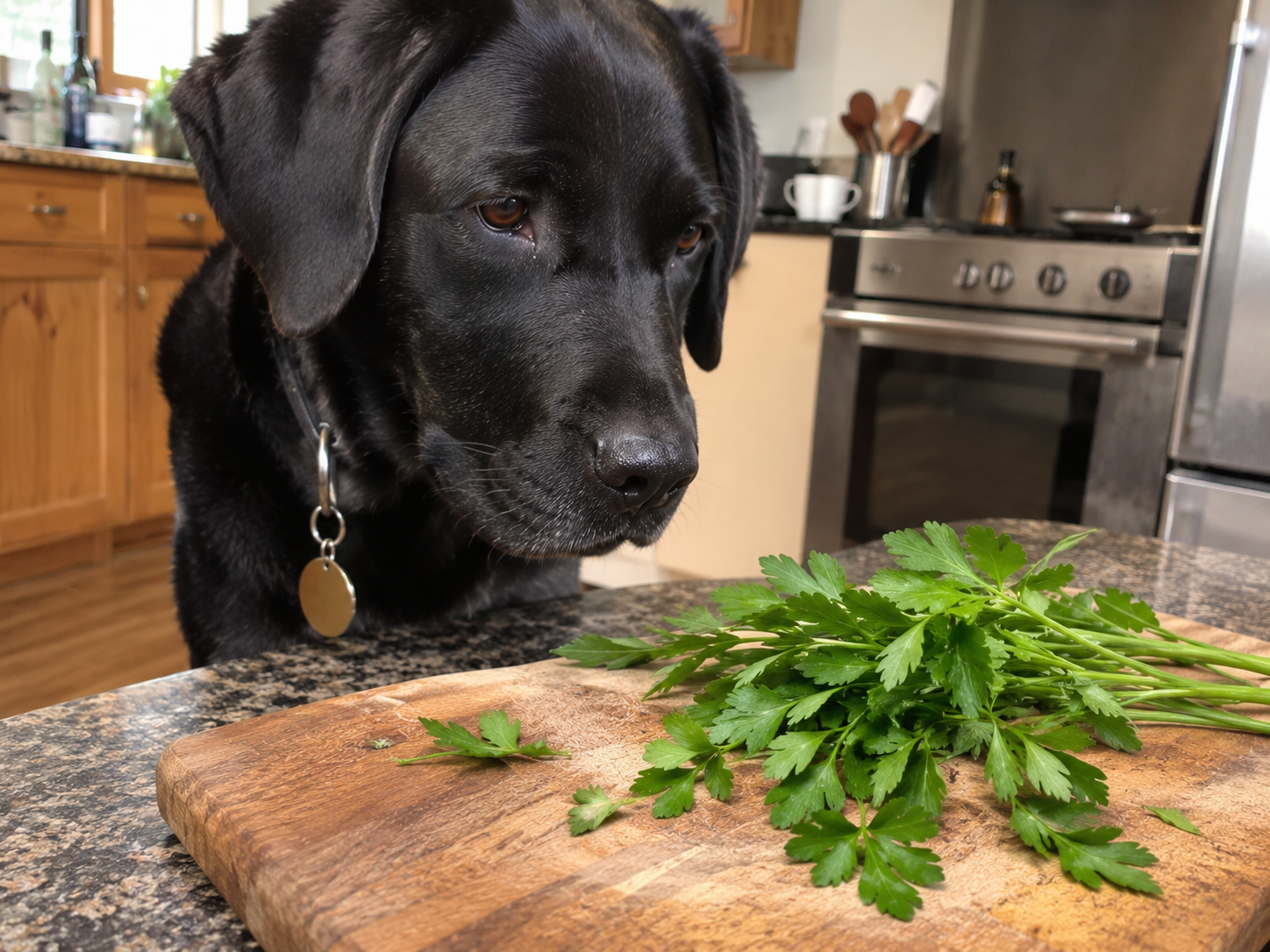
Can Dogs Eat Parsley? A Complete 2026 Safety Guide
Quick Answer Yes, dogs can eat parsley in small amounts, and most veterinary sources consider fresh garden parsley (curly or flat-leaf) safe as an occasional addition to meals [1][2]. The catch: one specific type, spring parsley, is classified as toxic to pets, and the two are easy to confuse at a garden center or farmers market [5][9]. Stick to culinary parsley in small pinches, and skip concentrated oils or supplements. Key Takeaways Can Dogs Eat Parsley Safely? Yes, dogs can eat parsley safely when it’s fresh garden parsley given in small amounts, not the toxic spring parsley variety [1][9]. Culinary parsley (the kind sold in grocery stores) contains vitamins A, C, and K along with antioxidants, and it’s recognized by major pet health resources as non-toxic for dogs in moderation [2][8]. Safety depends on three things: Decision rule: Choose fresh, plain parsley with no seasoning, garlic, or onion mixed in if you’re adding it to your dog’s bowl. Pre-made herb blends often contain unsafe additions, so check labels closely [4]. Is Parsley Toxic to Dogs? Garden parsley is not toxic to dogs, but spring parsley (Cymopterus watsonii), a wild plant found in parts of the western United States, is classified as toxic by the ASPCA [9][5]. This is the single biggest point of confusion for pet owners researching parsley safety. Spring parsley contains furocoumarins, compounds that can cause photosensitization. This means a dog’s skin becomes unusually sensitive to sunlight after exposure, potentially leading to irritation or burns on light-skinned areas [5][6]. This plant typically grows wild in rocky terrain and isn’t something you’d buy at a grocery store, but dogs who roam off-leash in certain regions could encounter it. Common mistake: Assuming all “parsley” is the same plant. If a dog eats a wild plant and starts showing skin redness or sun sensitivity after being outdoors, call a vet and mention possible spring parsley exposure [5]. How Much Parsley Can Dogs Have? A reasonable amount is about a quarter to one teaspoon of fresh, chopped parsley mixed into food, offered two or three times a week for an average-sized adult dog [3]. Smaller dogs need less; larger dogs can tolerate slightly more, but there’s no need to go overboard since parsley is a garnish, not a nutritional staple. Here is a quick reference for portioning: Dog Size Suggested Fresh Parsley Amount Frequency Small (under 20 lbs) Pinch to ¼ tsp 1–2 times weekly Medium (20–50 lbs) ¼–½ tsp 2–3 times weekly Large (50+ lbs) ½–1 tsp 2–3 times weekly Practical tip: If a dog has never had parsley before, start with the smallest amount and watch for 24 hours before repeating. This helps catch any individual sensitivity early. What Happens If a Dog Eats Too Much Parsley? Eating a large amount of garden parsley usually causes mild digestive upset rather than true poisoning, such as vomiting, loose stool, or a gassy stomach [1][7]. It’s uncomfortable but typically resolves on its own within a day. Things that make a bigger overdose more concerning include: Example: A 15-pound terrier that eats a tablespoon of chopped parsley at once will likely just have a sour stomach for a day. The same dog eating a whole bunch of wild spring parsley is a different, more urgent situation. Parsley Poisoning Symptoms in Dogs Parsley poisoning, specifically from spring parsley or very large doses of concentrated products, can show up as skin redness, sunburn-like irritation, lethargy, drooling, or gastrointestinal distress [5][9]. True poisoning from the culinary herb alone is rare. Watch for: If any of these appear after a dog eats an unknown plant outdoors, contact a veterinarian promptly rather than waiting it out. For broader context on which everyday foods carry real toxicity risk, see our complete guide to safe and toxic foods for dogs. Is Parsley Safe for Dogs With Kidney Disease? Dogs with kidney disease should generally avoid regular parsley because it contains oxalates, compounds that can contribute to kidney stone formation and added strain on already compromised kidneys [6][3]. This is one of the more important exceptions to the “parsley is generally safe” rule. If a dog has diagnosed kidney issues, check with a veterinarian before adding parsley or any new ingredient to their diet. This also applies to pregnant dogs and other medically fragile pets, where even mild, generally safe additions deserve a vet’s sign-off first [6]. For broader everyday-food context, our guide to what human foods dogs can eat covers other common exceptions worth knowing. Can Puppies Eat Parsley? Puppies can have a tiny taste of parsley once they’re eating solid food, but portions should be much smaller than an adult dog’s serving, and new foods should be introduced one at a time [3]. A puppy’s digestive system is still developing, so moderation matters even more. Practical tip: Skip parsley (and any new food) during the first weeks of transitioning to solid food. Wait until a puppy is comfortably eating regular puppy food before adding extras. Can Dogs Eat Parsley Stems and Roots? Dogs can technically eat parsley stems since they’re not toxic, but stems are tougher and more fibrous, so chopping them finely helps prevent choking or digestive discomfort [7][3]. Parsley root, used in some European cooking, is also non-toxic in small cooked amounts but isn’t commonly recommended since it offers little benefit over the leaves. Practical tip: Stick to the leafy parts for easiest digestion. If stems are included, mince them well, especially for small dogs or those prone to gulping food. Curly Parsley or Flat-Leaf Parsley: Which Is Better for Dogs? Flat-leaf (Italian) parsley is generally considered easier for dogs to digest and has a milder flavor than curly parsley, though both are safe culinary varieties [5][7]. Curly parsley has a slightly tougher texture that some dogs find less palatable. Type Texture Flavor Best For Flat-leaf Softer, easier to chop Milder Most dogs, picky eaters Curly Firmer, more fibrous Slightly stronger Fine if finely chopped Decision rule: Choose flat-leaf if a dog has a sensitive stomach
Can Dogs Eat Sausage? The Risks Every Dog Owner Should Know
Quick Answer Can dogs eat sausage? Dogs can eat sausage only in rare, tiny amounts, and it is not recommended as a regular treat. Sausage is often high in fat and salt and may contain garlic, onion, or spices that can harm dogs. For most dogs, especially puppies, small breeds, and dogs with health conditions, it is best to avoid sausage entirely. Plain, fully cooked, unseasoned sausage is the lowest-risk option, but leaner alternatives such as boiled chicken or turkey are much better choices. Key Takeaways Is Sausage Safe for Dogs to Eat? Sausage isn’t a suitable regular food for dogs. However, a small piece of plain, fully cooked sausage is unlikely to harm most healthy adult dogs. Veterinary guidance generally places sausage in the “not recommended” category rather than treating every type as immediately toxic. The risk depends on its ingredients, fat content, and how much is eaten [1][5]. Three things matter most: A simple rule: If your dog is a healthy adult with no history of pancreatitis, obesity, or kidney problems, a tiny piece of plain, fully cooked sausage may be tolerated. For puppies and dogs with health conditions, avoid it. What Happens if a Dog Eats Sausage? Most dogs that eat a small piece of sausage may show no symptoms. However, larger portions or seasoned sausage can cause vomiting, diarrhea, and stomach discomfort within a few hours [10]. Possible short-term effects include: If your dog eats a whole sausage link, particularly one containing garlic or onion, contact a veterinarian promptly. Do not wait for symptoms to appear. Garlic-related problems may take time to become noticeable. How Much Sausage Can a Dog Have? A healthy adult dog may tolerate a tiny bite of plain, cooked sausage, but this should be rare rather than a regular treat [4][6]. “`html 🌭 Sausage Safety Checker for Dogs Sausage type: Plain, unseasoned, cookedSeasoned (sage, pepper)Contains garlic or onionRaw or undercooked Dog profile: Healthy adult dogPuppyDog with pancreatitis or kidney issues Check Safety “` There is no officially established safe daily amount because sausage is not a recommended food for dogs. The following is a cautious portion guide from the original article, not a veterinary-approved feeding allowance: Dog size Suggested tiny amount Frequency Small (under 20 lbs) 1 small bite Once every few weeks Medium (20–50 lbs) 1–2 small bites Once every few weeks Large (50+ lbs) 2–3 small bites Once every few weeks How often can dogs eat sausage? Only rarely, if at all. Think of it as an occasional taste rather than a weekly treat. Repeated exposure to high-fat and high-sodium foods can contribute to health problems over time [9]. Types of Sausage That Are Safer for Dogs The lowest-risk sausage for dogs is plain, unseasoned, fully cooked pork or chicken sausage without garlic, onion, or heavy spice blends [2][7]. If you decide to offer a tiny amount, lower-risk options include: Some sausage varieties are best avoided entirely, including: These products may contain high levels of salt, fat, and seasonings that are unsuitable for dogs. Can Dogs Eat Cooked Sausage or Raw Sausage? Cooked sausage is safer than raw sausage, but cooking does not remove the risks associated with fat, salt, garlic, or onion. Raw sausage can carry harmful bacteria such as Salmonella and E. coli, as well as parasites that proper cooking normally destroys [1][8]. Common mistake: Assuming raw sausage is safe because dogs are naturally meat-eaters. Commercial sausage is processed and often seasoned, making it different from plain raw meat. Sausage vs. Other Meat Treats for Dogs Sausage is generally a poorer choice than plain cooked meat because it contains more fat, salt, and additives [3][9]. Treat Fat level Sodium Seasoning risk Suitability Sausage High High High Avoid as a regular treat Plain boiled chicken Low Low None Better occasional treat Lean cooked turkey Low Low None Better occasional treat Hot dogs or bologna High Very high Varies Avoid as a regular treat If your dog enjoys meaty treats, lean options are a better choice. You can also read our guides on whether dogs can eat lamb and whether dogs can eat bologna to understand how processed meats compare with fresh protein. Sausage Seasoning Toxins: Garlic, Onion, and Spices Garlic and onion are common sausage seasonings, but both are toxic to dogs. They can damage red blood cells and cause a type of anemia [1][9]. Other seasonings can also cause problems: For example, a breakfast sausage patty containing onion powder may combine two concerns: potentially toxic seasoning and high fat content. Read more about this ingredient in our guide to whether dogs can eat onions. Can Puppies Eat Sausage? Puppies should avoid sausage. Their smaller bodies mean that even a modest piece can represent a larger amount relative to their size. Rich, salty foods can also upset their developing digestive systems [4][8]. Reasons to avoid sausage for puppies include: A simple rule: Do not use sausage as a puppy treat. Choose an appropriate puppy treat or a small amount of plain cooked protein instead. For more feeding guidance, see our complete guide to what dogs can eat. Is Sausage Casing Safe for Dogs? Sausage casing is not recommended for dogs. Natural casings can be tough and difficult to digest, while synthetic casings may create choking or digestive problems [5][6]. If your dog swallows a large piece of casing or shows signs of choking, vomiting, or abdominal discomfort, contact a veterinarian. Why Is Sausage Bad for Dogs? Sausage is a poor choice for dogs because it often combines high fat, high sodium, and processed ingredients [1][9]. The main concerns are: The practical takeaway is simple: sausage should not be a regular treat or a main protein source for dogs [9][10]. Best Sausage Alternatives for Dogs The best alternatives are plain, lean, fully cooked proteins without added salt or seasoning. Chicken, turkey, and lean beef provide a meaty treat without the same processed-meat concerns [3][7]. Good alternatives include: For more ideas, visit our guide to human foods dogs can eat.
Can Dogs Eat Corn on the Cob?
Quick Answer No, dogs should never eat corn on the cob. The cob is difficult to digest and can become lodged in the stomach or intestines, causing a potentially life-threatening blockage that may require emergency surgery [4][6][13]. Plain corn kernels removed from the cob are generally safe for most dogs in small amounts. The important difference is that the kernels can be digested, while the cob can cause a dangerous physical obstruction [5][9][10]. Key Takeaways Can Dogs Eat Corn on the Cob Safely? No. Corn on the cob should never be given to dogs, regardless of their breed, size, or chewing habits [4][5][9][10][14]. Dogs do not chew food in the same way humans do. They may bite off large pieces of a cob and swallow them without properly breaking them down. Even if your dog seems fine immediately afterward, a blockage can develop hours or days later [4][13]. A simple safety rule: Keep corn cobs away from your dog, including those left on plates, picnic tables, kitchen counters, and in the rubbish. What Happens If a Dog Eats Corn on the Cob? When a dog swallows a corn cob or a large piece of one, it can become lodged in the stomach or small intestine. This prevents food, fluids, and gas from moving normally through the digestive system [4][6][13]. Unlike ordinary food, the cob does not break down easily. As the intestines continue contracting against the obstruction, pressure and inflammation can develop. In severe cases, the affected intestinal tissue may become damaged or rupture. Possible progression includes: These are possible stages, not a reliable timetable. Serious complications can occur sooner, so never wait for symptoms before contacting a veterinarian. Common mistake: Waiting to see whether the cob passes naturally. A suspected corn cob ingestion needs veterinary attention even if your dog appears normal. Is Corn on the Cob Toxic to Dogs? Corn on the cob is not toxic in the same way as chocolate, grapes, onions, or xylitol. The main danger is physical rather than chemical: the cob can cause choking or an intestinal blockage [4][5][7][9][15]. Corn kernels are used in many commercial dog foods because they provide nutrients that dogs can digest. The cob, however, is made of tough plant material that dogs cannot properly break down [5][9]. Corn part Toxic? Physical risk Verdict Plain, cooked kernels No Low when served appropriately Occasional treat is generally fine Whole cob No High blockage risk Never feed Husk No Choking and digestive risk Avoid Buttered or salted corn No, but toppings add fat and sodium Depends on amount Skip added seasonings Can Dogs Choke on Corn Cobs? Yes. Corn cobs are a choking hazard, especially when a dog tries to swallow a piece that is too large to pass safely through the throat [4][14]. A dog chewing on a cob may bite off a chunk that becomes lodged in the throat or oesophagus. Warning signs include: Choking requires immediate emergency attention. Even if a piece passes down the throat, the danger is not over. It may become lodged farther along the digestive tract and cause an intestinal blockage [4][13]. How Much Corn Can Dogs Eat Safely? Corn kernels can be offered in small, controlled portions, but the cob itself is never safe. Kernels should be a small treat rather than a replacement for a balanced dog food diet [5][9][10]. General portion suggestions from the original article include: These are general suggestions, not portions established by a specific veterinary study. Treats should generally make up no more than 10% of a dog’s daily calorie intake. Is Corn Safe for Dogs but Not the Cob? Yes. This is the most important distinction for dog owners to understand. Plain, cooked corn kernels removed from the cob are generally safe for most dogs in moderation. The cob itself should never be given to a dog [5][9][10][14]. Corn kernels provide some fibre and nutrients, but dogs eating a complete and balanced diet do not need extra corn to meet their nutritional requirements. Plain corn kernels may be suitable if: Avoid or limit corn if: For more guidance on suitable human foods, see our guide to what dogs can eat. What Should I Do If My Dog Ate Corn on the Cob? Contact your veterinarian or an emergency animal clinic immediately. Do not wait for symptoms to appear [1][4][5][6][10][12]. Swallowing a corn cob is an urgent situation, even if your dog currently seems healthy. Follow these steps: What Are the Signs of Corn Cob Blockage in Dogs? A corn cob blockage can cause repeated vomiting, loss of appetite, lethargy, abdominal pain, and changes in bowel movements [1][4][5][6][10][12][13][14]. Watch for these warning signs: If your dog shows any of these signs after swallowing or possibly swallowing a cob, seek veterinary care immediately. Can Dogs Digest Corn Cobs, and Why Are They Dangerous? No. Dogs cannot properly digest corn cobs. They contain tough plant fibres that the digestive system cannot break down effectively [4][6][13]. Corn kernels are different because they contain starches and nutrients that dogs can digest. The cob is rigid and fibrous, which makes it more likely to become lodged in the stomach or intestines. This is why corn cobs are a significant foreign-object hazard in dogs. Other objects, such as socks and bones, can also cause digestive problems. You can read more about related risks in our guide to whether dogs can eat bones. Can Puppies Eat Corn on the Cob? No. Puppies should never eat corn on the cob. Their smaller digestive tracts make them particularly vulnerable to obstructions. Puppies may also chew and swallow objects without understanding the danger [4][13]. A small piece of cob that might be difficult for a large adult dog to pass could completely block a puppy’s intestine. If your puppy swallows any part of a corn cob, contact a veterinarian immediately rather than monitoring the situation at home. Is Corn on the Cob Okay for Dogs With Sensitive Stomachs? No. Dogs with sensitive stomachs should avoid corn on
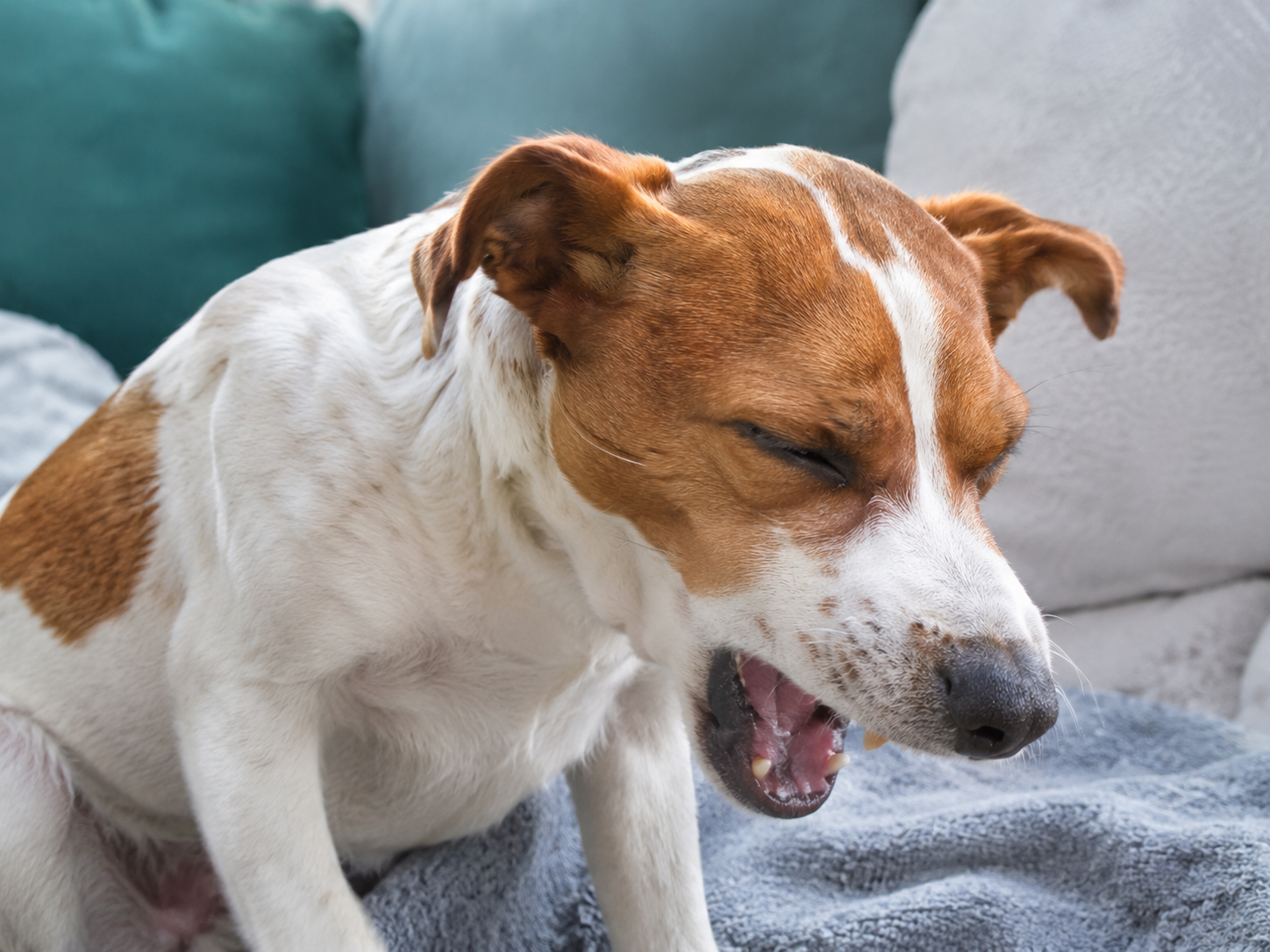
Dog Reverse Sneezing and Coughing: Causes and What to Do
Quick Answer: Dog reverse sneezing and coughing are two different airway reflexes that owners often confuse. Reverse sneezing is a short snorting spasm caused by irritation around the soft palate and throat, while coughing usually involves the lower airways, lungs, or sometimes the heart. Most reverse-sneezing episodes last less than a minute or two and resolve on their own. However, frequent episodes or reverse sneezing accompanied by a genuine cough deserve veterinary attention. Key Takeaways What Is Reverse Sneezing in Dogs? Reverse sneezing in dogs is a sudden, repeated snorting reflex. Instead of pushing air out through the nose as they do during an ordinary sneeze, dogs rapidly pull air inward. During an episode, a dog may stand still, extend its neck, and make loud honking or snorting sounds. Although this can look alarming, occasional reverse sneezing is generally harmless [4]. The reflex begins when something irritates the soft palate and nasopharynx, the soft tissue at the back of the throat near the nasal passages [5]. The muscles in this area spasm, temporarily narrowing the passage and causing the dog to repeatedly snort as it tries to clear the irritation. Veterinary Partner describes reverse sneezing as a protective reflex rather than a normal sneeze that has gone wrong [2]. Owners may first notice it during a walk, after a dog drinks water quickly, or immediately after waking from a nap. The first episode can be particularly frightening if you have never seen it before. Why Do Dogs Reverse Sneeze and Cough? Common Causes Reverse sneezing and coughing can have several causes. The triggers may involve irritation in the nose, throat, or lower respiratory tract, depending on which reflex is occurring. Common triggers of reverse sneezing include: Sometimes, a dog may simply trigger an episode by sniffing forcefully at an interesting smell. Most occasional episodes are not serious, but persistent or worsening reverse sneezing should be assessed by a veterinarian to rule out problems such as chronic nasal inflammation or a nasal growth [10]. Reverse Sneezing vs. Coughing in Dogs: What’s the Difference? Reverse sneezing and coughing can sound similar, but they involve different parts of the respiratory system. Reverse sneezing is generally a nasal-throat reflex. It often produces repeated snorting sounds while the dog stretches its neck. Coughing is a reflex that helps clear the airways and may sound like a dry hack, a wet cough, or a repeated honk. Feature Reverse Sneezing Coughing Kennel Cough Sound Snorting or honking Dry or wet hacking Often a repetitive, harsh cough Body position Often standing still with the neck extended Usually normal posture; may gag afterward Usually normal posture Duration Seconds to about two minutes per episode Can recur over hours or days Cough may continue for days or weeks Contagious No Depends on the underlying cause Yes Common cause Nasal or throat irritation Airway, lung, or other underlying disease Infectious respiratory disease A dog that wakes at night, suddenly makes snorting sounds, and then settles may be experiencing reverse sneezing. However, repeated nighttime coughing should not automatically be assumed to be reverse sneezing. For a closer look at persistent coughing, read our guide on why your dog is coughing. If ordinary sneezing is the bigger concern, see why dogs sneeze so much. Is Dog Reverse Sneezing Dangerous or Serious? Reverse sneezing is usually not dangerous when it happens occasionally, and the dog returns to normal immediately afterward. The sudden snorting can be frightening, but a typical episode is a temporary reflex rather than an airway blockage [8]. “Reverse sneezing looks far scarier than it actually is for most dogs.”Paraphrased from veterinary guidance [1]. Can reverse sneezing kill a dog? A typical reverse-sneezing episode is not considered life-threatening. However, other conditions can sometimes produce similar-looking sounds, including collapsing trachea and other airway or respiratory problems [9]. Seek urgent veterinary care if your dog has blue or pale gums, collapses, struggles to breathe, or shows severe respiratory distress. Do not assume these signs are simply reverse sneezing. How Long Does Reverse Sneezing Last in Dogs? A typical reverse-sneezing episode lasts from a few seconds to about one or two minutes. Most dogs return to normal breathing afterward without treatment [5]. Some dogs experience episodes several times a day, particularly when exposed to recurring irritants, while others may only reverse sneeze a few times a year. If an episode lasts longer than usual, keeps recurring, or leaves your dog distressed, contact your veterinary clinic for advice. A video of the episode can also help your veterinarian distinguish reverse sneezing from coughing or another respiratory problem. What Should You Do When Your Dog Reverse Sneezes? The most important thing is to stay calm. Most episodes stop on their own, so avoid frightening or restraining your dog unnecessarily [1]. Try these steps: You can also reduce potential triggers around the home by using fragrance-free cleaning products, avoiding smoke, and keeping your dog’s sleeping area clean. If indoor air is very dry, a clean cool-mist humidifier may make the environment more comfortable. If your dog wears a collar and pulls during walks, consider discussing a suitable harness with your veterinarian. Do not give human cough medicines or other medication unless your veterinarian specifically recommends them. These treatments are not substitutes for finding the cause of persistent coughing. When to Take Your Dog to the Vet for Reverse Sneezing Arrange a veterinary examination if reverse-sneezing episodes: These signs may point to an underlying problem rather than occasional irritation [6]. Seek emergency veterinary care if your dog has labored breathing, blue or pale gums, collapse, or severe distress. Keeping a simple record of when episodes happen can help your veterinarian identify possible triggers. Note whether they occur after exercise, during walks, around dust or pollen, or at particular times of the year. Is Reverse Sneezing Normal in Certain Dog Breeds? Yes. Brachycephalic breeds, including Pugs, Bulldogs, Boxers, and Shih Tzus, may be more prone to reverse sneezing because of their shortened facial and airway anatomy. Smaller breeds such
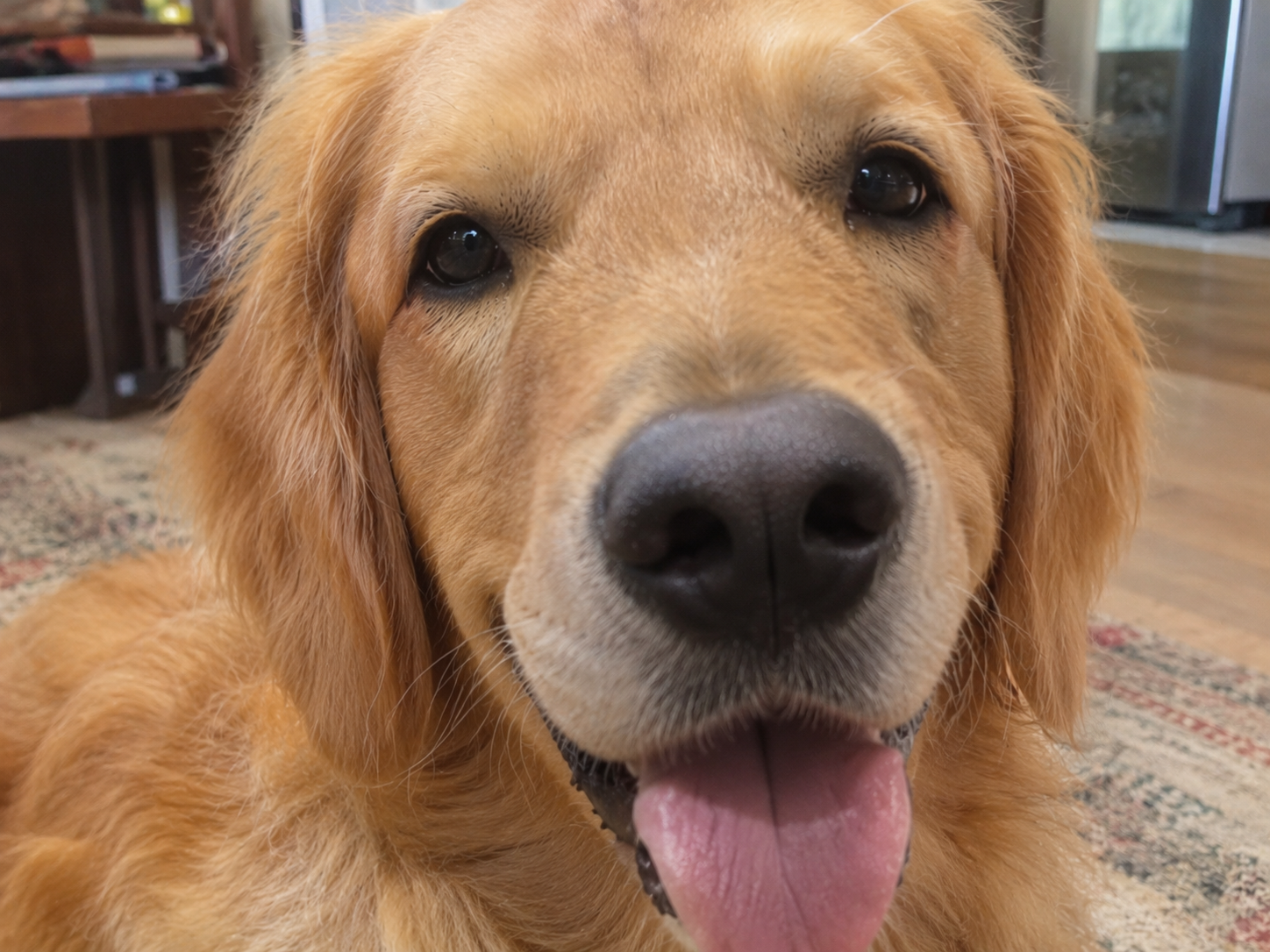
Can Dogs Have Almond Milk?
Quick Answer Can dogs have almond milk? Yes, healthy adult dogs can usually have a tiny amount of plain, unsweetened almond milk, provided it contains no xylitol or other potentially harmful ingredients. However, almond milk offers little nutritional benefit to dogs, so it is best treated as an occasional taste rather than a regular drink [2] [6]. Key Takeaways Is Almond Milk Safe for Dogs to Drink? Plain, unsweetened almond milk is generally considered low-risk for healthy adult dogs when offered in very small quantities. However, it is not something dogs need, and it should not become a regular part of their diet [1] [8]. Keep your original image here: Is Almond Milk Safe for Dogs to Drink? The main concern is often what manufacturers add to almond milk rather than the almond milk itself. Commercial products may contain: If you choose to offer a taste, select a plain, unsweetened product and check the complete ingredient list. Avoid any carton containing xylitol or ingredients you cannot identify. Almond Milk Safety Checker for Dogs The checker can help readers think through the product ingredients, the dog’s age and health history, and the amount consumed. It should not replace veterinary advice, particularly if the product contains xylitol. What Happens If a Dog Drinks Almond Milk? Most dogs that drink a small amount of plain almond milk may show no reaction. However, some can develop mild digestive upset, especially if they are not used to the product [2] [6]. Possible reactions include: Plant-based does not automatically mean suitable for dogs. Almond milk can still cause digestive problems, particularly when it contains added ingredients. If your dog develops facial swelling, difficulty breathing, repeated vomiting, or severe weakness, seek veterinary care promptly. For general digestive troubleshooting, read our guide on why dogs get diarrhea. How Much Almond Milk Can Dogs Have? 🐾 Is This Almond Milk Safe for My Dog? Dog’s age/type Healthy adult dogPuppyPancreatitis / allergy history Almond milk type Plain, unsweetenedSweetened / flavoredContains xylitol Amount consumed Tiny taste (teaspoon)Larger amount / lapped bowl Check Safety There is no officially established safe serving size for almond milk because it is not a necessary part of a dog’s diet. The amount a dog may tolerate depends on its size, health, and sensitivity to the ingredients. If a healthy adult dog is offered a taste, keep it very small and infrequent. Do not use a serving-size chart as a guarantee of safety. Dog size General approach Small dogs If offered at all, give only a tiny taste Medium dogs Keep any taste very small and occasional Large dogs Avoid offering a bowl; a small taste is still enough Dogs with a history of pancreatitis, obesity, food allergies, or digestive problems should not be given almond milk without veterinary guidance [2]. Almond Milk vs. Regular Milk for Dogs Almond milk and cow’s milk are both unnecessary for dogs, and either can cause digestive upset in some pets [4]. The main difference is that almond milk does not naturally contain lactose, while cow’s milk does. Factor Almond milk Cow’s milk Lactose Naturally lactose-free Contains lactose Fat content Varies by product Varies by type Nutritional value for dogs Generally minimal Provides some nutrients but is not necessary Common concern Added ingredients, including possible xylitol Digestive upset in lactose-intolerant dogs Many adult dogs become less able to digest lactose after weaning, which is why cow’s milk may cause loose stools or other digestive problems [4] [7]. Almond milk may be easier for some lactose-intolerant dogs to tolerate, but that does not make it a nutritionally superior choice. If you are comparing other nut-based foods, read our guide on whether dogs can eat almonds. Best Milk Alternatives for Dogs Dogs do not need a milk substitute after weaning. Fresh water should remain their main source of hydration, and complete dog food should provide their nutritional needs. If you want to offer a milk-based treat, ask your veterinarian which option is appropriate for your dog’s health and diet. Some dogs may tolerate small amounts of plain, unsweetened yogurt, while others may need to avoid dairy altogether. For a treat idea, see our recipe for frozen yogurt bombs for dogs. Do Dogs Need Milk at All? No. Dogs do not need milk once they have been weaned from their mother’s milk [4] [7]. A complete and balanced dog food provides the protein, fats, vitamins, and minerals they need, while fresh water supports everyday hydration. Milk, whether dairy or plant-based, is an optional treat at most. It is not a nutritional requirement. If you are exploring other foods dogs can share safely, see our complete safe and toxic foods guide. Almond Milk With Xylitol: Is It Toxic to Dogs? Yes. Xylitol is highly toxic to dogs and can cause a dangerous drop in blood sugar. In some cases, it can also lead to serious liver complications [5] [9]. Xylitol may appear in products marketed as sugar-free or low-sugar, so never assume that a product is safe simply because it is labeled unsweetened or plant-based. Signs of xylitol poisoning may include: This is a veterinary emergency. If your dog consumes almond milk containing xylitol, contact a veterinarian or animal poison control service immediately. Do not wait for symptoms to appear, and do not try to make your dog vomit unless a veterinary professional instructs you to. Always check the full ingredient list before giving your dog any human beverage. Unsweetened Almond Milk for Dogs: Is It Really Safer? Plain, unsweetened almond milk is generally a better choice than sweetened or flavored varieties because it avoids added sugar and some unnecessary ingredients [1] [8]. However, unsweetened does not automatically mean safe. Some products still contain flavorings, oils, thickeners, or other additives. Even plain almond milk: Common mistake: Assuming that the word “unsweetened” means the product contains only almonds and water. Always read the full ingredient list rather than relying on the front of the carton [9]. Can Puppies Have Almond Milk? Almond milk is not