

Quick Answer A dog DNA test is a genetic screening kit that analyzes a sample of your dog’s cheek cells to estimate breed ancestry, identify possible relatives, and screen for certain inherited health risks. Most kits use a cheek swab to collect DNA, which is then analyzed for genetic markers and compared with a reference database of known dog breeds. Depending on the brand and type of test, kits typically cost between $60 and $250, with results often available within two to four weeks after the laboratory receives the sample. Key Takeaways What Is a Dog DNA Test and How Does It Work? Find Your Best Dog DNA Test Match 💰 Lowest Cost 🩺 Health Focus ⏱ Fastest Results 🐾 Biggest Breed Database Click a priority above to see a kit recommendation. A dog DNA test is a consumer genetic testing kit that analyzes DNA collected from a dog’s cells, usually through a cheek swab. The laboratory compares specific genetic markers with a reference database to estimate breed ancestry and, depending on the test, identify certain inherited traits and health risks. Every dog inherits genetic information from its parents. Some patterns in that DNA are associated with particular breeds, allowing laboratories to estimate which breeds may be part of a dog’s ancestry. Most dog DNA tests use a technology called a microarray. This is a small chip containing probes that detect single nucleotide polymorphisms, or SNPs. SNPs are small variations in DNA sequences that help distinguish genetic patterns between individual dogs and breeds. Embark, one of the larger companies in this market, explains that its tests scan more than 230,000 genetic markers per dog [3]. The number and type of markers analyzed can influence how much ancestry detail a test can provide. A dog DNA test may be useful if you want to learn more about your dog’s breed mix, identify possible inherited health risks, or explore genetic relatedness. It is not a substitute for veterinary testing if your dog is showing symptoms or needs a diagnosis. A veterinarian may recommend physical examinations and specific diagnostic tests depending on the problem. What Can a Dog DNA Test Tell You? A dog DNA test can provide information about breed ancestry, possible relatives, physical traits, and certain inherited health markers. The exact information depends on the company and the testing package you choose. Most mainstream kits may report: One important point is that a genetic risk marker does not mean your dog definitely has a disease. A dog carrying a variant associated with a condition may never develop it, while a dog without that particular marker can still develop health problems for other reasons. DNA tests estimate genetic information; they do not predict every aspect of a dog’s future health or personality. How Does a Dog DNA Test Work Step by Step? Most dog DNA tests follow a similar process: sample collection, DNA extraction, genetic analysis, and comparison with a reference database. The laboratory then prepares a report for the owner. Here is what happens after you order a kit: Poor-quality or contaminated samples can delay testing or require a new sample. To reduce the chance of problems, follow the kit instructions carefully and avoid allowing another pet to interfere with the swab. How Accurate Are Dog DNA Tests, and Can They Be Wrong? Dog DNA tests can provide useful breed ancestry estimates, particularly when the breeds involved are well represented in the company’s reference database. However, results are not guaranteed to be exact, especially when identifying very small or distant ancestry contributions. Some companies advertise high accuracy figures, but it is important to understand what those figures measure. Accuracy claims may refer to identifying a known breed under specific testing conditions, rather than guaranteeing that every ancestor in a dog’s family tree will be identified [1]. Three factors can influence the results: For example, a small percentage assigned to a particular breed should be treated as an estimate rather than absolute proof that the breed appears at a specific point in your dog’s family tree. Different companies may also produce different breed breakdowns for the same dog because they use their own databases and analysis methods. Best Dog DNA Test Kits Compared The best dog DNA test depends on what you want to learn. Some kits focus mainly on breed identification, while others include more extensive health and trait screening. The table below summarizes the options and figures listed in the original comparison. Prices, database coverage, and processing times can change, so check the manufacturer’s current information before purchasing. Test kit Breed database information Health screening Typical price listed Turnaround listed Embark 350+ breeds and types [9] Extensive genetic health and trait screening $130–$250 2–3 weeks Wisdom Panel 350+ breeds Moderate to extensive, depending on tier $90–$180 2–4 weeks DNA My Dog Smaller, breed-focused database Limited $70–$100 2–3 weeks Orivet Mid-size database Breed-specific disease panels $60–$150 2–4 weeks How to choose: How Much Does a Dog DNA Test Cost and How Long Do Results Take? Dog DNA tests generally cost between $60 and $250, depending on the brand and the information included in the package. Results commonly arrive within two to four weeks after the laboratory receives the sample [2][5]. The original article’s approximate price categories are: These are general price ranges, not guaranteed current prices. Promotions, shipping charges, and the testing package can affect the final cost. Turnaround time also varies. Shipping delays, laboratory workload, and sample quality may all affect when results become available. Some companies provide progress updates through an online account or email. What Breeds Will Show Up on a Mixed-Breed DNA Test? A mixed-breed DNA test reports the breeds its analysis identifies in your dog’s genetic profile. Some companies may report small ancestry contributions, but the minimum percentage they display depends on their testing methods and reporting rules. A breed may not appear in the results if it is missing from the company’s reference database or if its genetic contribution is too small or difficult

Dog Ear Infection: Symptoms, Causes, Treatment & When to See a Vet
Quick Answer A dog ear infection occurs when bacteria, yeast, or both multiply inside the ear canal. Allergies, trapped moisture, excess wax, ear mites, and foreign objects can contribute to the problem. Common signs include head shaking, scratching, redness, swelling, unpleasant odor, and ear discharge. Most uncomplicated outer ear infections improve with appropriate veterinary treatment, but chronic or deeper infections may require longer treatment and further investigation to identify the underlying cause. Key Takeaways Why Do Dogs Get Ear Infections So Often? Dogs can develop ear infections because their ear canals have a curved, L-shaped structure that can make it difficult for moisture, wax, and debris to escape. When moisture becomes trapped, it can create conditions that encourage yeast and bacteria to multiply [1]. Some dogs are more prone to infections than others. Allergies, for example, can cause inflammation in the skin lining the ear canal. This inflammation may lead to increased wax production and make the ear more vulnerable to recurring infections. Cleaning the ears may remove some debris, but it will not resolve an underlying allergy. This helps explain why some dogs experience repeated infections even after completing treatment. The AAHA’s 2023 allergic skin disease guidelines discuss the relationship between allergic skin conditions and ear inflammation. For dogs with recurring problems, treating the underlying skin disease is an important part of long-term management [7]. When to investigate further: If your dog’s ear infection keeps returning after treatment, ask your veterinarian whether allergies or another underlying condition could be contributing to the problem. What Causes Dog Ear Infections? Dog ear infections commonly involve an overgrowth of yeast, bacteria, or both inside the ear canal. These organisms may normally be present in small numbers, but changes in the ear environment or underlying skin disease can allow them to multiply [3]. Common contributing factors include: Food allergies may also contribute to recurring ear inflammation. Some affected dogs have additional signs, such as itchy skin or digestive problems. If your dog also has ongoing loose stools, read our guide to why dogs get diarrhea. Common mistake: Assuming that a smelly ear is simply dirty and trying to clean it with a cotton swab. Inserting cotton swabs into the ear canal can push debris deeper and irritate sensitive tissue. How Do I Know If My Dog Has an Ear Infection? Common signs of a dog ear infection include head shaking, scratching, redness, swelling, unpleasant odor, and discharge. Symptoms may develop gradually and become more uncomfortable if the underlying problem is not treated [1]. Watch for: If your dog is shaking its whole body rather than only its head, there may be another cause of discomfort. Our guide to why dogs shake explains some other possibilities. Example: A dog that has been swimming may begin shaking its head and scratching its ears afterward. Moisture could be contributing to irritation or an outer ear infection, but a veterinary examination is needed to confirm the cause. Yeast vs. Bacterial Ear Infections: What’s the Difference? Yeast and bacterial infections can cause similar symptoms, including itching, odor, redness, and discharge. Some dogs have both types of infection at the same time. The appearance and smell of the discharge may offer clues, but they cannot reliably identify the organism responsible. Feature Yeast infection Bacterial infection Discharge May be dark brown or waxy May be yellowish or greenish Smell May have a musty or yeasty odor May have a strong or unpleasant odor Discomfort Can cause itching and inflammation Can cause itching, inflammation, and significant pain Common contributing factors Allergies and moisture Inflammation, underlying ear disease, or other factors Diagnosis Ear cytology Ear cytology; culture may be recommended in some cases A veterinarian can collect a sample from the ear and examine it under a microscope. This procedure, called cytology, helps identify whether yeast, bacteria, or other organisms are present [3]. In some cases, the veterinarian may recommend a bacterial culture and sensitivity test to help select an appropriate medication. The distinction matters because antifungal medication does not treat a bacterial infection, and antibiotics do not treat a yeast overgrowth. How Are Dog Ear Infections Diagnosed? A veterinarian diagnoses an ear infection using your dog’s medical history, an examination of the ear canal, and laboratory testing when needed. These steps help identify the organisms involved and determine whether there are complications [3]. A typical veterinary visit may include: Checking the eardrum is particularly important. Some medications that are suitable for the outer ear may be unsafe if the eardrum is damaged and medication reaches the middle ear [5]. How Are Dog Ear Infections Treated? Treatment depends on the cause of the infection, how severe it is, and whether the outer, middle, or inner ear is affected. For many outer ear infections, treatment involves cleaning the ear appropriately and using prescribed medication that targets the organisms identified during testing. Pain relief or treatment for underlying inflammation may also be needed. Common treatment options include: Treatment duration varies. Some uncomplicated outer ear infections improve within a few weeks, while chronic or middle and inner ear disease may require longer treatment and follow-up examinations [5]. It is important to complete the prescribed treatment and attend any recommended rechecks. Symptoms may improve before the infection has fully cleared. Treatment costs: The original article estimated that a straightforward veterinary visit in the United States, including an examination, cytology, and medication, may cost around $150–$300. Actual costs vary considerably by location, clinic, severity, and the tests or medication required. Chronic cases involving cultures, imaging, or specialist care may cost more. Can I Treat My Dog’s Ear Infection at Home? A veterinarian-approved ear cleaner may be useful for routine maintenance or for cleaning an ear when the veterinarian has confirmed that it is appropriate. However, an active infection involving pain, odor, redness, or discharge should not be treated with home remedies alone [6]. Some home remedies are promoted online, but they are not reliable substitutes for diagnosing and treating an infection. Examples include: Avoid putting homemade

How Can You Tell If a Dog Is Pregnant? Early Signs, Tests, and Care
Quick Answer How can you tell if a dog is pregnant? Early clues may include enlarged or pinker nipples, changes in appetite, lower energy, and nesting behavior. These signs can appear within the first few weeks after breeding, but they are not enough to confirm pregnancy. A veterinarian can confirm pregnancy using a relaxin blood test, ultrasound, or abdominal palpation. Relaxin testing can often detect pregnancy from around day 22–27 after breeding, while ultrasound may identify embryos from approximately day 17–21. The best timing depends on the individual dog and the method used.[5][13] Key Takeaways What Are the First Signs of Dog Pregnancy? The first signs of dog pregnancy may appear around two to three weeks after breeding. Some dogs develop noticeable physical or behavioral changes, while others show very few signs during the early stages. These changes can be subtle and may resemble a mild stomach upset, making pregnancy difficult to identify without veterinary testing. Watch for these possible early signs: A common mistake is assuming that a swollen belly automatically means pregnancy. Bloating, weight changes, other health conditions, and false pregnancy can produce similar changes. Symptoms alone cannot confirm that puppies are developing. Can You Feel Puppies Moving in a Pregnant Dog? Puppy movement may become noticeable during the later stages of pregnancy, often in the final two to three weeks. Some owners notice gentle rippling or movement when their dog is resting quietly. However, movement is not a reliable way to confirm pregnancy or assess the puppies’ health. Avoid pressing or squeezing your dog’s abdomen to find puppies. If you are concerned about movement or your dog’s pregnancy, ask your veterinarian to examine her. How Much Weight Do Pregnant Dogs Gain? Pregnant dogs gain weight as their puppies develop, but the amount varies with the dog’s size, body condition, and litter size.[2][6] A dog carrying a larger litter may gain more weight than one carrying only one or two puppies. Weight gain is generally more noticeable during the second half of pregnancy, particularly in the final weeks. Sudden or dramatic weight gain early in pregnancy should not automatically be attributed to puppies. Bloating or another health problem may be responsible, so contact your veterinarian if the change is unexpected. How Long Does Dog Pregnancy Last? Dog pregnancy lasts an average of 63 days, although the period from breeding to delivery can range from approximately 58 to 68 days.[7][8] The exact due date can be difficult to predict from the breeding date alone because breeding may occur before or after ovulation. This means two dogs bred on the same day may not necessarily deliver on the same day. For a more detailed breakdown of pregnancy stages, see our guide on how long dogs are pregnant. Knowing the approximate whelping window helps owners plan veterinary visits, prepare a suitable whelping area, and recognize when labor may be approaching. How Can You Tell If a Dog Is Pregnant? Veterinary Confirmation Methods The most reliable way to confirm pregnancy is through a veterinary examination. Different tests are useful at different stages, and your veterinarian can recommend the right option based on the suspected breeding date.[5][11][13] Method Approximate detection timing What it can show Relaxin blood test Around day 22–27 Detects relaxin, a hormone associated with pregnancy.[5][13] Abdominal palpation Around day 28–30 A veterinarian may feel developing fetal swellings.[13] Ultrasound Around day 17–21 Can visualize pregnancy and help assess fetal heartbeats and development.[10][13] X-ray (radiograph) Around day 45 onward Can show mineralized fetal skeletons and help estimate puppy numbers.[13] Relaxin Blood Test Relaxin is a hormone produced by the placenta during pregnancy. A blood test can detect it after implantation and is useful for confirming pregnancy in dogs.[3][5][13] Testing too early may produce a negative result even when the dog is pregnant. Your veterinarian may recommend repeating the test if the timing is uncertain or the first result does not match the clinical findings. Ultrasound Ultrasound allows the veterinarian to look inside the uterus and identify developing embryos. It can also help assess whether fetal heartbeats are visible.[5][10][11] It is particularly useful for confirming pregnancy and checking fetal development. However, ultrasound is not the most reliable method for counting every puppy. Abdominal Palpation During abdominal palpation, a veterinarian gently examines the abdomen to feel for changes associated with developing puppies. This may be possible around day 28–30, depending on the stage of pregnancy and the individual dog.[13] Do not try to feel for puppies yourself. Pressing or squeezing the abdomen can cause discomfort or injury, and owners may mistake other structures for fetal swellings. X-ray An X-ray can help estimate litter size once the puppies’ skeletons have developed enough to be visible. This is generally done during the later stages of pregnancy, often after day 45.[13] It is particularly useful when the owner and veterinarian need a better idea of how many puppies to expect before delivery. Which test should you choose? Your veterinarian can help decide which test is appropriate and when it should be performed. Can You Tell If a Dog Is Pregnant Without a Vet? You can watch for physical and behavioral changes at home, but you cannot reliably confirm pregnancy without veterinary testing. A simple observation log can help you keep track of changes between breeding and your dog’s veterinary appointment. Look for: Do not rely on a human pregnancy test. Human home pregnancy tests are not designed to detect pregnancy in dogs. A missed heat cycle is not proof of pregnancy either. Hormonal changes, reproductive conditions, and other health problems can affect a dog’s cycle. A veterinary examination is the safest way to find out what is happening. What Should You Feed a Pregnant Dog? A pregnant dog needs an appropriate, balanced diet to support her health and the development of her puppies. Her nutritional needs change as pregnancy progresses, so feeding adjustments should be planned carefully. A general feeding approach may look like this: Avoid making sudden diet changes. Any new food should be introduced
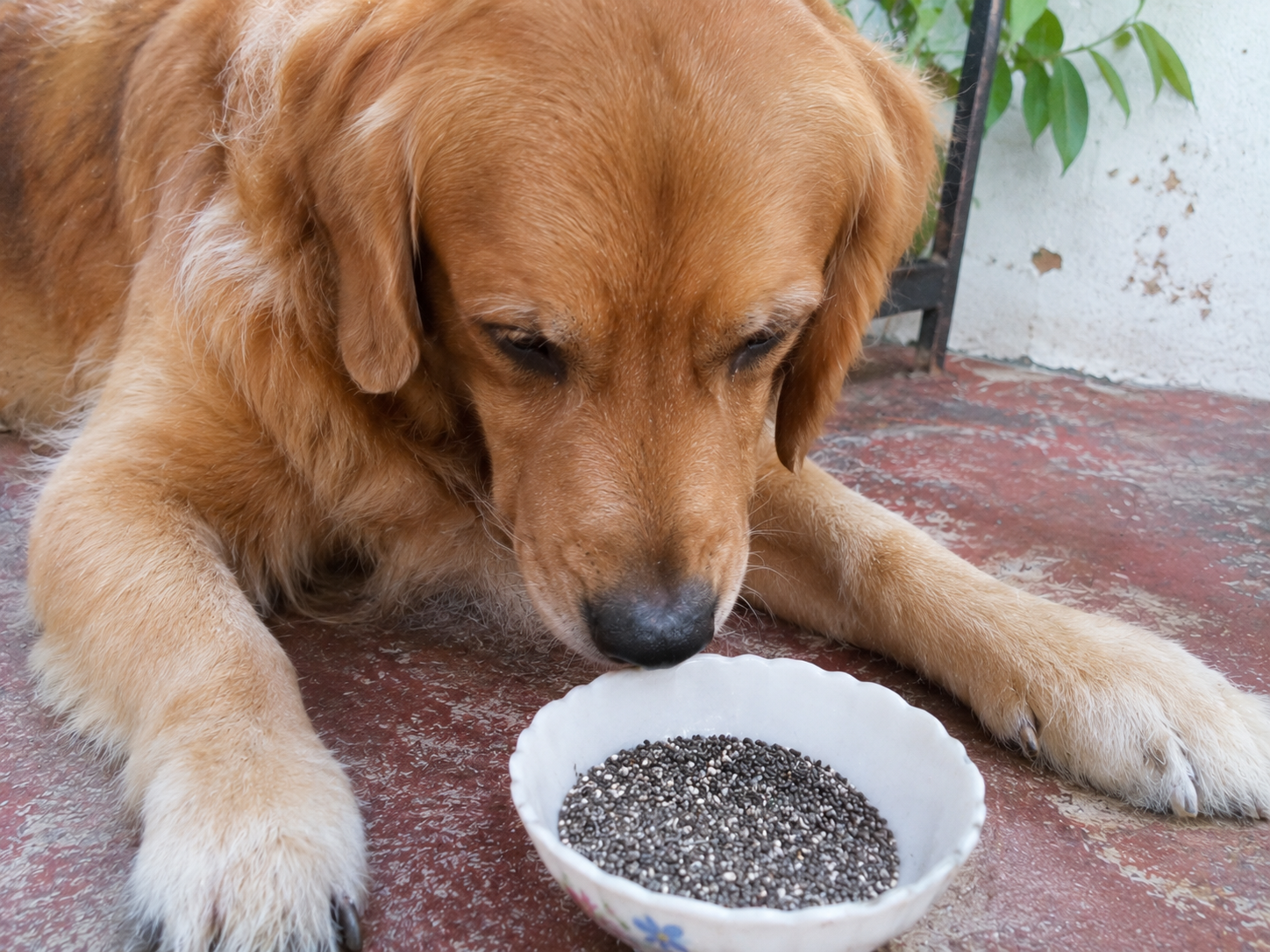
Can Dogs Have Chia Seeds? A Guide to Safe Portions and Preparation
Quick Answer: Can Dogs Have Chia Seeds? Yes, dogs can have chia seeds. Most healthy adult dogs can have small amounts of plain chia seeds as an occasional addition to their regular food. Chia seeds are not considered toxic to dogs when fed appropriately and in moderation.[4][6][8][10] The safest approach is to introduce them gradually, serve them soaked rather than dry, and keep portions small. Chia seeds should complement a complete and balanced diet, not replace it. Key Takeaways Are Chia Seeds Toxic to Dogs? No. Chia seeds are generally considered non-toxic to dogs when fed in appropriate amounts.[4][8] The main concerns are related to preparation, portion size, and the other ingredients that may be included in chia-based products. Potential problems include: If your dog eats a large quantity of dry chia seeds, contact a veterinarian for advice. Do not assume that the absence of toxicity means a large accidental serving is harmless.[9][12][15] How Much Chia Seed Can I Give My Dog? There is no universally established veterinary dose of chia seeds for every dog. Some pet nutrition guides suggest approximately ¼ teaspoon per 10 lb (4.5 kg) of body weight as a general serving guide.[1][2][7][12] However, this should not be treated as a proven daily requirement or a dose that is automatically appropriate for every dog. A dog’s overall diet, health, digestive tolerance, and size all matter. The following table reflects the approximate amounts suggested in the supplied feeding guidance. Start cautiously and check with your veterinarian if you are unsure. Dog size Approximate amount in the supplied guide Feeding note Small (under 20 lb) ¼–½ teaspoon Start with a smaller amount Medium (20–50 lb) ½–1 teaspoon Introduce gradually Large (50–90 lb) 1–1½ teaspoons Mix into regular food Giant (90 lb+) Up to 2 teaspoons Ask your vet before using larger amounts A sensible introduction rule: begin with a small soaked amount and observe your dog’s stool, appetite, and general behavior before considering any increase. Do not increase the amount simply because your dog appears to enjoy it. What Are the Health Benefits of Chia Seeds for Dogs? Chia seeds contain several nutrients that can contribute to a dog’s overall diet, including fiber, omega-3 fatty acids, plant protein, calcium, and magnesium.[2][6][7][8] These nutrients may offer some benefits, but chia should remain a small addition to a complete and balanced diet. Potential nutritional contributions include: The supplied draft also refers to a 2026 in vitro feeding study that examined different levels of chia seed inclusion in dog food.[5] It reports that a diet containing 1% chia showed better digestibility for certain nutrients than the comparison diets. An in vitro result does not establish that the same outcome will occur in living dogs, so this finding should be treated as preliminary rather than proof that a particular chia percentage is best. Owners considering another food containing fats may also find our guide to olive oil for dogs useful. Chia works best as a small dietary extra, not as a nutritional centerpiece. Do Chia Seeds Cause Digestive Issues in Dogs? Yes. Chia seeds can cause digestive upset if a dog eats too much or is introduced to them too quickly. Their high fiber content is one reason that large portions may lead to gastrointestinal discomfort.[8][11][12] Possible signs include: One common mistake is giving dry chia seeds without allowing them to absorb liquid first.[9][12][15] If your dog develops loose stools after trying chia, stop feeding it and monitor their condition. Contact your veterinarian if diarrhea persists, becomes severe, or occurs alongside vomiting, lethargy, or abdominal pain. For more information about other possible causes, read our guide on why your dog has diarrhea. Chia Seeds vs. Flax Seeds for Dogs: Which Is Better? Neither chia seeds nor flax seeds are automatically better for every dog. Both contain fiber and plant-based omega-3 fatty acids, but they differ in preparation and storage.[2][7] Feature Chia seeds Flax seeds Grinding Usually do not need grinding Grinding helps make nutrients more available Soaking Commonly soaked before feeding Soaking is not generally required Omega-3 content High in plant-based omega-3 High in plant-based omega-3 Fiber High High Storage Generally stable when stored properly Ground flax can spoil more quickly and needs careful storage Choose chia if: you want a convenient seed that can be soaked and mixed into food without grinding. Choose flax if: your dog already tolerates it and your veterinarian or nutritionist has recommended it. Both are optional dietary additions. They should not replace a complete dog food or a veterinarian-recommended supplement. You can also read our guide to pumpkin seeds for dogs for another seed-based option. Can Puppies Have Chia Seeds? Puppies may be able to eat small amounts of chia, but extra caution is important. Their nutritional needs are different from those of adult dogs, and their regular food should provide the nutrients needed for healthy growth.[8][14] Before introducing chia: Toy and small-breed puppies may be particularly sensitive to changes in their diet. Chia is not necessary for puppy development, so ask your veterinarian before adding it. Chia Seeds for Dogs With Allergies Chia is not commonly identified as a major dog allergen, but any new food can cause an unwanted reaction in an individual dog.[8][10][11] If you decide to introduce chia, do so carefully: Facial swelling, breathing difficulty, or collapse requires emergency veterinary attention. Dogs with known seed allergies or a diagnosed food allergy should only try chia after discussing it with their veterinarian. For a related food-sensitivity topic, see our guide to almonds for dogs. How to Prepare Chia Seeds for Dogs A cautious way to prepare chia seeds is to soak them in water before adding them to your dog’s food. Chia absorbs liquid and forms a gel, so serving it prepared rather than dry helps avoid giving your dog a mouthful of dry, swelling seeds.[9][12][15] Step-by-Step Preparation Avoid broth containing onion, garlic, excessive salt, or other ingredients that are unsafe for dogs. Best Way to Add Chia Seeds to Dog Food Soaked
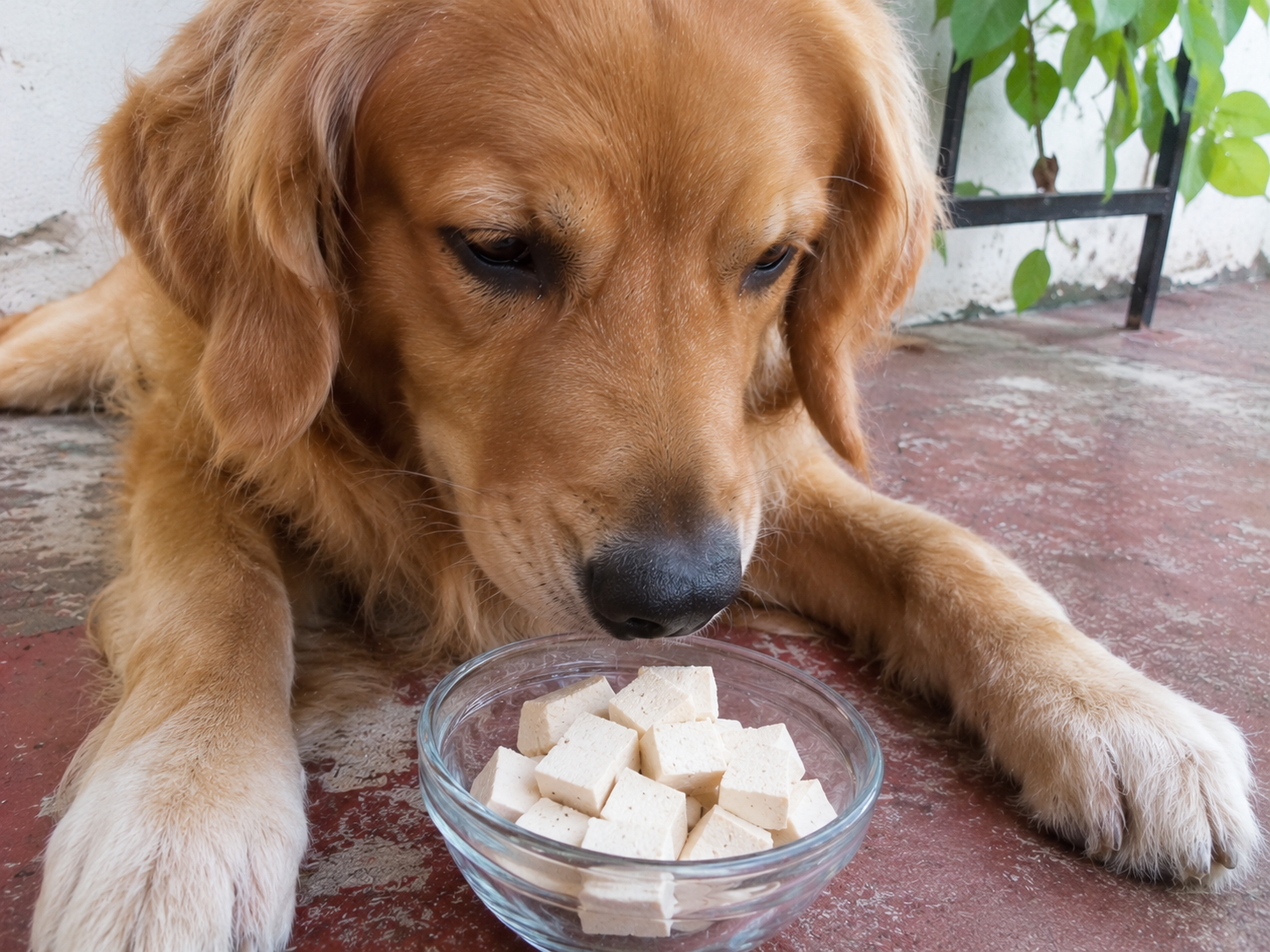
Can Dogs Eat Tofu? Benefits, Risks & How to Serve It Safely
Quick Answer Yes, most healthy dogs can eat small amounts of plain tofu occasionally. Tofu is not toxic to dogs and provides plant-based protein, but it is not a complete food and should never replace a balanced dog diet. Choose plain tofu without sauces, salt, onion, garlic, or other seasonings. Introduce a tiny amount first and watch for digestive upset or signs of a possible soy allergy. Dogs with existing health conditions or special dietary needs should have their vet’s approval before trying it.[2][3][9] Key Takeaways Can Dogs Eat Tofu Safely? Yes. Most healthy dogs can eat a small amount of plain tofu without problems. Veterinary sources such as the American Kennel Club (AKC) and PetMD describe tofu as non-toxic to dogs, but it is not nutritionally complete enough to serve as their main food.[2][3] Tofu is best treated as an occasional extra rather than a meal replacement. A few precautions can make offering it safer: Decision rule: A healthy dog with no known soy sensitivity may be able to enjoy a little plain tofu occasionally. If your dog has a chronic health condition, a special diet, or a history of food reactions, ask your vet first. Is Tofu Good for Dogs or Bad? Tofu is neither an essential food nor automatically harmful to dogs. It provides some nutrients, including plant-based protein, but it can also cause gas or digestive upset in some dogs.[2][3][9] Factor Why it matters Bottom line Protein Provides plant-based protein Can be an occasional extra, not a complete diet Digestibility Some dogs tolerate it well Others may develop gas or stomach upset Allergy risk Soy sensitivity is possible Avoid it if your dog has a known soy allergy Digestive effects Larger portions may cause discomfort Introduce it slowly and keep portions small Nutritional completeness Does not provide every nutrient a dog needs in the right balance Never use it as a main meal Common mistake: Treating tofu as a nutritionally equivalent replacement for meat in homemade dog meals. Tofu alone cannot meet a dog’s complete nutritional requirements. Any homemade diet should be formulated with help from a veterinary nutritionist.[2] How Much Tofu Can I Give My Dog? There is no universally established veterinary serving size for tofu. The appropriate amount depends on your dog’s size, health, normal diet, and tolerance. Start with a tiny piece rather than a full cube. If your dog tolerates it, tofu can remain an occasional treat, provided treats and extras do not displace a balanced diet. A cautious starting guide: These are starting portions, not recommended daily amounts or established safety limits. Smaller dogs and puppies need especially small portions. The AKC and PetMD both frame tofu as an occasional food rather than a regular part of a dog’s diet.[2][3] When introducing it, avoid offering other new foods at the same time so you can identify what caused a reaction if one occurs. Quick example: If a 30-pound Labrador mix is trying tofu for the first time, offer one small piece. Do not start with several cubes or a large block. What Are the Health Benefits of Tofu for Dogs? Tofu offers some nutritional value, mainly through its plant-based protein. However, the benefits are modest when compared with the nutrients a dog receives from a complete and balanced diet. Hill’s Pet Nutrition discusses soy as an ingredient used in some commercial dog foods, including diets formulated around particular protein sources.[11] Potential nutritional contributions include: These points do not make tofu a superfood for dogs. It is simply an optional food that some dogs can enjoy in small amounts. Tofu vs Other Protein Sources for Dogs Tofu is a plant-based protein option, while chicken, salmon, lamb, and shrimp provide animal-based protein. Each food has a different nutritional profile, and none should automatically replace a complete dog food. Protein source General nutritional profile Best use Tofu Plant-based protein Occasional treat for dogs that tolerate soy Chicken Animal-based protein Ingredient in many complete dog foods; plain cooked chicken can also be an occasional treat Salmon Protein and omega-3 fatty acids Occasional treat when fully cooked and prepared safely; see salmon skin safety tips Lamb Animal-based protein Used in some dog foods and limited-ingredient diets; read more about lamb and allergy considerations Shrimp Lean animal-based protein Occasional treat when cooked, peeled, and served plain; check shrimp preparation tips Decision rule: Tofu can be an occasional meat-free treat, but it shouldn’t become the main protein source just because it is plant-based. Your dog’s regular diet should provide complete and balanced nutrition. Can Tofu Cause Digestive Problems in Dogs? Yes. Some dogs develop digestive upset after eating tofu, especially if they eat a large amount or aren’t used to soy products. Possible signs include gas, loose stools, diarrhea, vomiting, or abdominal discomfort.[3][9] PetMD discusses potential digestive concerns associated with tofu, while VCA lists gastrointestinal reactions such as vomiting, diarrhea, constipation, and gas among possible reactions to soy products in pets.[3][9] Dogs that may need extra caution include: Some large, deep-chested breeds have a higher risk of gastric dilatation-volvulus (GDV), commonly called bloat. However, it is too strong to claim that tofu itself causes GDV or that every dog of a bloat-prone breed must avoid it. Ask your veterinarian about suitable treats if your dog is at increased risk. Common mistake: Giving a dog a large block of tofu because a small taste caused no reaction. Tolerance of a tiny portion does not mean a large serving will be comfortable or safe. Is Silken Tofu Different From Firm Tofu for Dogs? Silken and firm tofu differ mainly in texture and moisture content. Either can be offered plain in a small amount if your dog tolerates soy. Silken tofu is soft and easy to mash, while firm tofu holds its shape and can be cut into small pieces.[8] Here is how they compare: Example: A senior Chihuahua with difficulty chewing may find a small amount of mashed silken tofu easier to eat than a firm cube. Can Dogs

Can Dogs Eat Rice?
Quick Answer Yes, most healthy dogs can eat plain, fully cooked white or brown rice in moderate amounts. Rice is a source of carbohydrates and is sometimes included in short-term bland diets for dogs with digestive upset. However, it should not replace a complete and balanced dog food or become the main part of a dog’s diet.[1][6] Serve rice without butter, oil, salt, sauces, onion, garlic, or seasoning. If your dog has diabetes, weight concerns, or a medical condition requiring a special diet, ask your veterinarian before adding rice regularly. Key Takeaways Can Dogs Eat Rice Safely? Yes. Most healthy dogs can eat rice safely when it is plain, fully cooked, and served in moderate portions. The important thing is to avoid ingredients commonly added to rice prepared for people, such as butter, salt, soy sauce, and seasoning mixes.[1] Rice is also used as an ingredient in some commercial dog foods and may be included in veterinary-recommended bland diets. Its suitability depends on three main factors: Decision rule: Plain cooked rice can be an occasional addition for many healthy dogs. If your dog has a medical condition or follows a special diet, check with your veterinarian before making it a regular part of their meals. Is Rice Good for Dogs or Bad for Them? Rice is neither a superfood nor inherently harmful to dogs. It provides carbohydrates for energy and can be easy to digest when properly cooked. However, it is not a complete food and does not provide all the nutrients dogs need.[1][9] Potential benefits: Potential drawbacks: Common mistake: Using rice as a main meal replacement. Rice alone does not provide the nutritional balance a dog needs, and a rice-heavy diet can create nutritional gaps over time. How Much Rice Can You Give Your Dog? The right amount depends on your dog’s size, activity level, health, and normal diet. Rice should remain a modest addition rather than taking up a large share of the meal. The often-mentioned 10% treat guideline can help owners think about limiting extras, but it is not a specific veterinary rice dosage. Rice added to a meal should also be considered alongside all other treats and additions. Dog size Cautious starting portion Small dogs (10–20 lbs) A small spoonful of cooked rice Medium dogs (30–50 lbs) A few tablespoons of cooked rice Large dogs (60–90 lbs) A few tablespoons, adjusted to the dog’s diet and needs These are illustrative starting portions, not guaranteed safe maximums or daily feeding prescriptions. Your dog’s calorie requirements can vary considerably, so ask your veterinarian for a suitable amount if you plan to feed rice regularly. Example: A 40-pound mixed-breed dog might tolerate a small amount of plain cooked rice mixed into its usual food. That does not mean the same portion is appropriate for every dog of that weight. White Rice vs Brown Rice for Dogs: Which Is Better? Neither type is always better. The right choice depends on why you are feeding rice. White rice is often preferred for short-term digestive upset because it contains less fiber and is generally easier to digest. Brown rice contains more fiber and some additional nutrients, but its higher fiber content may not suit a dog with active diarrhea or a sensitive digestive system.[1][9][10] Here is how they compare: Feature White rice Brown rice Fiber Lower Higher Digestibility Often easier to digest May be harder for some sensitive dogs Nutrients Provides carbohydrates and some nutrients Contains more fiber and some additional vitamins and minerals Common use Short-term bland diets when recommended Ingredient in some balanced diets During diarrhea Often preferred May be less suitable during active digestive upset The American Kennel Club discusses white rice as a common option for dogs with diarrhea or acute digestive issues.[1] Purina and Hill’s also describe brown rice as a source of fiber and other nutrients when used appropriately in dog food.[9][10] Decision rule: White rice is often the more suitable option for a short-term bland diet when your veterinarian recommends one. Brown rice may be appropriate for a healthy dog as part of a balanced diet. Can Dogs Eat Rice Every Day? Some dogs can tolerate a small amount of rice regularly, but there is no nutritional need to add it to every meal. A complete and balanced dog food should remain the foundation of their diet. Problems can arise when rice begins replacing a substantial portion of the dog’s regular food. This can reduce the intake of protein and other essential nutrients while adding extra calories. Dogs on veterinary-prescribed diets for conditions such as kidney disease, diabetes, or weight management may need particular care with additional foods. Important: If you want to feed rice every day, ask your veterinarian how it fits into your dog’s overall calorie and nutritional requirements. Does Rice Help Dogs With an Upset Stomach? Plain white rice is sometimes included in a short-term bland diet for dogs with mild digestive upset, usually alongside a suitable lean protein. It is not a treatment for every cause of vomiting or diarrhea, and it should not replace veterinary care when symptoms are serious or persistent.[2][8] PetMD discusses a rice-to-protein combination for bland feeding. The appropriate recipe and duration should be confirmed with a veterinarian, since a temporary bland diet is not nutritionally complete for long-term use.[2] A basic bland-diet approach, if your veterinarian recommends it: Common mistake: Keeping a dog on rice and chicken for weeks. This combination is not a complete and balanced long-term diet. If diarrhea persists, worsens, or is accompanied by vomiting, blood in the stool, weakness, or other concerning signs, contact your veterinarian rather than continuing to adjust the rice portion.[8] Can Puppies Eat Rice? Yes, puppies that are fully weaned and eating solid food can generally have a small amount of plain, well-cooked rice. However, rice should never replace a complete puppy-formulated diet. Puppies need carefully balanced nutrition to support growth and development. Rice alone cannot provide the protein, fats, vitamins, minerals, and other nutrients they require.

Can Dogs Eat Almonds? Risks, Symptoms, and What to Do If Your Dog Eats One
Quick Answer: Can Dogs Eat Almonds? No, almonds are not a recommended snack for dogs. Sweet almonds sold in grocery stores are not generally considered toxic to dogs, but they can cause digestive upset and pose choking or intestinal blockage risks. Their high fat content may also contribute to pancreatitis in susceptible dogs. The risk depends on the type of almond, the amount eaten, your dog’s size, and any additional ingredients. Salted, seasoned, or chocolate-covered almonds introduce additional concerns, while products containing xylitol can be particularly dangerous. If your dog has eaten almonds, don’t panic. Find out what type they ate and approximately how much, then contact your veterinarian for advice when the amount, ingredients, or potential risks are uncertain. Key Takeaways Quick Safety Guide: Almond Products Almond product Recommended for dogs? Main concern Plain sweet almonds No Choking, digestive upset, obstruction Salted almonds No Excessive sodium and digestive upset Seasoned or flavored almonds No Salt, spices, and potentially harmful ingredients Chocolate-covered almonds No Chocolate toxicity, plus almond-related risks Almond butter Not recommended as a regular treat High fat, added ingredients, possible xylitol Almond milk Not necessary for dogs Added sweeteners, fats, and other ingredients Bitter almonds Never feed Potential cyanide poisoning Almond flour Use caution High fat content and other recipe ingredients If your dog eats an almond product, check the complete ingredient list. If it contains chocolate, xylitol, or another potentially toxic ingredient, contact a veterinarian or animal poison service immediately. Are Almonds Toxic to Dogs? Sweet almonds, the common variety sold in many grocery stores, are not generally considered directly toxic to dogs. However, that does not make them a safe treat. Almonds are hard, relatively high in fat, and can be difficult for some dogs to digest. Depending on the dog’s size and the amount consumed, they may cause stomach upset or contribute to choking and intestinal blockage. Bitter almonds are different. They can contain cyanogenic compounds capable of releasing cyanide. If you suspect your dog has eaten bitter almonds, seek emergency veterinary advice immediately. The distinction is important: ordinary sweet almonds are generally a physical and digestive risk, while bitter almonds may pose an additional poisoning risk. For these reasons, it’s best to keep almonds out of your dog’s diet and choose treats specifically formulated for dogs. What Happens If a Dog Eats Almonds? What happens after a dog eats almonds depends on the type of almond, the quantity consumed, and the dog’s individual health. Some dogs may experience no obvious symptoms after swallowing a small amount of plain sweet almond. Others may develop digestive upset or complications. Possible problems include: 1. Vomiting and Diarrhea Almonds contain a substantial amount of fat, and some dogs may struggle to tolerate them. Eating almonds can lead to vomiting, diarrhea, gas, or abdominal discomfort. If vomiting continues, your dog develops diarrhea alongside other symptoms, or they seem unusually tired, contact your veterinarian. 2. Choking Almonds are firm and can be difficult for dogs to chew thoroughly. A dog that swallows an almond whole may choke, particularly if it is small or tends to gulp food. Signs of choking include difficulty breathing, frantic pawing at the mouth, and an inability to swallow normally. Difficulty breathing is an emergency. Seek immediate veterinary assistance. 3. Intestinal Blockage A swallowed almond or a quantity of nuts may contribute to an intestinal blockage, although the risk depends on the dog’s size, the amount eaten, and other circumstances. Possible warning signs include repeated vomiting, loss of appetite, abdominal pain, and difficulty passing stool. An intestinal obstruction can become life-threatening. If you suspect one, contact your veterinarian promptly rather than waiting for symptoms to worsen. 4. Pancreatitis Pancreatitis is inflammation of the pancreas. Fatty foods can trigger an episode in some susceptible dogs, although not every dog that eats almonds will develop pancreatitis. Signs can include repeated vomiting, abdominal pain, reduced appetite, weakness, and lethargy. If your dog becomes unwell after eating almonds, especially if vomiting and abdominal discomfort occur together, seek veterinary advice. 5. Problems From Added Ingredients Salted, seasoned, or chocolate-covered almonds may pose additional risks. Chocolate can be toxic to dogs, while excessive sodium can cause serious problems depending on the amount consumed. Seasonings may also contain ingredients that are harmful to dogs. Products containing xylitol require immediate veterinary guidance because this sweetener can cause dangerous low blood sugar and potentially liver injury in dogs. How Many Almonds Can a Dog Safely Eat? There is no recommended serving of almonds for dogs. The safest choice is not to feed them intentionally. A dog’s risk depends on its size, the type of almond, the number eaten, and whether the nuts contain additional ingredients. One plain sweet almond may not cause a serious problem in every dog, but it cannot be guaranteed safe for all dogs. A small dog may face a greater choking risk, while a dog with a history of pancreatitis or digestive disease may need extra caution. If your dog has eaten almonds accidentally: Do not wait for symptoms if the almonds contained a potentially toxic ingredient or your dog swallowed a large quantity. Why Are Almonds Bad for Dogs? Almonds are not an ideal dog treat for several reasons. High fat content Almonds contain considerable fat and calories. Eating too many can upset a dog’s digestive system and may contribute to pancreatitis in susceptible animals. Hard texture Their firm texture can make almonds difficult to chew safely. Swallowed whole or in large pieces, they may create choking or obstruction risks. Added salt and seasonings Salted and flavored almonds may contain excessive sodium or ingredients that are unsuitable for dogs. Some flavored products also contain additional fats, sugars, or seasonings. Potential contamination or spoilage Moldy nuts may contain harmful substances. Never let your dog eat moldy or spoiled food. No nutritional need Dogs eating complete and balanced food do not need almonds to obtain the nutrients required for good health. Dog-specific treats are a more suitable option. Signs to Watch

Dog Throwing Up White Foam? Here’s What It Could Mean
Seeing your dog throw up white foam can be worrying, especially when it happens unexpectedly. White, frothy vomit may occur when air mixes with saliva, mucus, or stomach fluid. Sometimes, it follows mild stomach irritation or an empty stomach. In other cases, it can signal a serious problem that needs veterinary attention. The key is to look beyond the appearance of the vomit. How often your dog vomits, whether they are coughing or retching, and whether they have other symptoms can help determine what to do next. In this guide, you’ll learn why dogs throw up white foam, what you can safely do at home, and which warning signs mean you should contact a veterinarian immediately. Quick Answer: Why Is My Dog Throwing Up White Foam? Dogs may throw up white foam because of stomach irritation, nausea, an empty stomach, or repeated retching. Sometimes, a dog that appears to vomit foam is actually coughing up frothy mucus. Possible causes include: A single episode in an otherwise healthy adult dog may be less concerning than repeated vomiting. However, white foam alone cannot tell you whether the cause is harmless. Key Takeaways What Does It Mean When a Dog Throws Up White Foam? White foam often forms when air mixes with saliva, mucus, or stomach fluid. It may appear as a bubbly liquid or a thick, frothy substance. When a dog’s stomach is relatively empty, there may be little food in the vomit. However, white foam does not automatically mean your dog is hungry or has an empty stomach. It is also important to distinguish vomiting from coughing or regurgitation. These differences can help your veterinarian narrow down the cause. If possible, note what happened immediately before the episode and take a short video if it is safe to do so. Common Reasons a Dog Throws Up White Foam Several conditions can cause white foam to appear around a dog’s mouth or in vomit. Some are relatively mild, while others require prompt medical attention. 1. Empty Stomach or Bilious Vomiting Syndrome Some dogs vomit when their stomachs have been empty for an extended period. Bile reflux and stomach irritation may contribute to episodes that occur early in the morning or after long gaps between meals. Bilious vomiting syndrome is one possible explanation when a dog repeatedly vomits bile, often on an empty stomach, but otherwise appears well. The vomit may be white and foamy, yellow, or a mixture of both. Its appearance varies, so color alone cannot confirm the condition. If your dog regularly vomits before breakfast, speak with your veterinarian. If an empty-stomach pattern is suspected, they may recommend dividing the usual daily food allowance into smaller meals or offering a small portion before bedtime. Do not assume recurring vomiting is simply hunger without first considering other causes. 2. Indigestion or Dietary Upset Dogs sometimes eat things that irritate their digestive systems, including rubbish, spoiled food, unfamiliar treats, grass, or fatty table scraps. A sudden change in food may also upset a dog’s stomach. In some cases, the dog vomits once and then returns to normal. Other dogs may develop diarrhea, reduced appetite, or repeated vomiting. If your dog may have eaten something unusual, consider what it was and how much they might have swallowed. Contact your veterinarian if the vomiting continues, your dog seems unwell, or the item could be toxic or cause an obstruction. Do not wait for symptoms if you suspect poisoning. 3. Gastrointestinal Inflammation or Infection Inflammation of the stomach or intestines can cause nausea, vomiting, and sometimes white foam. Possible causes include gastroenteritis, dietary irritation, and certain infections. Additional symptoms may include: Vomiting combined with diarrhea can lead to dehydration, particularly in puppies and small dogs. If your dog has repeated vomiting or develops other symptoms, contact your veterinarian promptly. A puppy with vomiting and diarrhea, especially one that is not fully vaccinated, needs urgent assessment because serious infections such as parvovirus may be involved. 4. Kennel Cough or Respiratory Irritation Not every episode involving white foam originates in the stomach. Dogs with respiratory irritation may cough, gag, and bring up frothy mucus or saliva. Kennel cough is one possible cause of a persistent, sometimes honking cough followed by gagging. You may notice that your dog coughs several times before bringing up the foam. This pattern differs from typical vomiting, which generally involves abdominal contractions. If your dog has a persistent cough, arrange veterinary advice. Keep them away from other dogs until you have guidance if a contagious respiratory infection is suspected. Difficulty breathing, blue or pale gums, collapse, or severe weakness requires emergency veterinary care. 5. Pancreatitis Pancreatitis is inflammation of the pancreas. It can cause vomiting, nausea, abdominal pain, loss of appetite, and lethargy. Some cases are associated with fatty foods, although there can be other causes. Affected dogs may appear uncomfortable, refuse meals, or repeatedly vomit. White foam is not specific to pancreatitis, and you cannot diagnose the condition from vomit alone. If your dog has persistent vomiting, abdominal pain, or marked lethargy, seek prompt veterinary care. Severe symptoms require emergency assessment. 6. Toxin Ingestion Certain household chemicals, medications, plants, and foods can be toxic to dogs. Exposure may cause vomiting, drooling, foaming, weakness, tremors, or other symptoms. Foam around the mouth does not necessarily mean poisoning, but suspected toxin exposure should always be taken seriously. If your dog may have swallowed something toxic: Do not wait for symptoms to appear before seeking advice. 7. Bloat (Gastric Dilatation-Volvulus) Bloat, particularly gastric dilatation-volvulus (GDV), is a life-threatening emergency in which the stomach becomes distended and may twist. A dog with GDV may repeatedly attempt to vomit but produce little or nothing, sometimes bringing up white foam. Other warning signs include: If you suspect bloat, go to an emergency veterinary hospital immediately. Do not wait to see whether the symptoms improve or try to treat the problem at home. 8. Intestinal Blockage or Another Underlying Illness Swallowing a toy, cloth, bone fragment, or other

Why Is My Dog Throwing Up Yellow Liquid?: 7 Causes Every Owner Should Know
Seeing your dog throw up yellow liquid can be worrying, especially when it happens early in the morning. In many cases, the yellow fluid contains bile, a digestive fluid that helps the body process fats. However, yellow vomit can also occur with gastrointestinal illness and other medical conditions. The timing of the vomiting, how often it happens, and whether your dog has other symptoms can help determine how urgently veterinary care is needed. A single episode in an otherwise healthy, active dog may be less concerning than repeated vomiting, but the color alone cannot tell you the cause. This guide explains why dogs vomit yellow liquid, what you can safely do at home, and when to contact a veterinarian. Quick Triage Guide: When Should You Worry? Situation What to do One isolated episode, with your dog otherwise behaving normally Monitor closely and contact your vet if symptoms return or you are concerned. Repeated vomiting, reduced appetite, diarrhea, or unusual tiredness Contact your veterinarian promptly for advice. Blood in the vomit, a swollen abdomen, severe pain, collapse, or repeated unproductive retching Seek emergency veterinary care immediately. Suspected toxin ingestion or swallowed foreign object Contact a veterinarian or emergency animal hospital immediately. Do not wait for symptoms. Important: Puppies, elderly dogs, and dogs with underlying medical conditions may deteriorate more quickly. Seek veterinary advice sooner rather than relying on home monitoring. Key Takeaways What Is Yellow Bile, and Why Do Dogs Vomit It? Yellow bile is a digestive fluid produced by the liver and stored in the gallbladder. It enters the small intestine, where it helps with the digestion and absorption of fats. When bile moves backward from the small intestine into the stomach, it can contribute to irritation and vomiting. The resulting fluid may look yellow or yellow-green and may be watery or mixed with foam. Dogs may vomit bile when their stomachs have been empty for a prolonged period. However, bile can also appear in vomit caused by other digestive problems, so it should not automatically be blamed on hunger. Yellow vomit may contain: White foam and yellow foam can overlap in appearance. Neither color alone can establish a diagnosis. What Does It Mean When a Dog Throws Up Yellow Liquid? When a dog vomits yellow liquid, one possible explanation is bile reflux associated with an empty stomach. This is particularly plausible when vomiting occurs before breakfast and the dog otherwise behaves normally. However, other causes must be considered, especially if vomiting recurs or the dog appears unwell. Potential explanations include: The practical takeaway: Pay attention to the whole picture, not just the color. Record when the vomiting occurs, how many times it happens, whether your dog can keep water down, and whether appetite, energy, stools, or behavior have changed. Common Causes of Yellow Vomit in Dogs 1. Bilious Vomiting Syndrome (BVS) Bilious vomiting syndrome is a condition associated with bile reflux into the stomach. It can cause recurring vomiting, often after a long interval without food. Dogs with this pattern may vomit yellow fluid early in the morning and then appear hungry and comfortable afterward. Nevertheless, a veterinarian should assess recurring episodes before bilious vomiting syndrome is assumed to be the cause. If your veterinarian suspects BVS, they may recommend changing meal timing, feeding smaller meals more frequently, or offering a small portion of the dog’s normal food before bedtime. Do not assume that every dog vomiting in the morning has BVS. Other digestive and medical conditions can produce similar symptoms. 2. Hunger or a Prolonged Gap Between Meals Some dogs develop vomiting associated with long gaps between meals. If your dog regularly vomits yellow fluid before breakfast but otherwise appears well, meal timing may be worth discussing with your veterinarian. Depending on the cause, dividing the usual daily food allowance into smaller, more frequent meals may help. Avoid increasing the total amount of food simply to prevent vomiting. Instead, adjust the timing and portions while maintaining an appropriate daily calorie intake. If vomiting continues despite a feeding change, arrange a veterinary assessment. 3. Dietary Indiscretion and Food Sensitivities Dogs sometimes eat things they should not, including rubbish, spoiled food, fatty scraps, grass, or unfamiliar treats. These may irritate the digestive tract and trigger vomiting. Sudden changes in food can also upset some dogs’ digestive systems. Food sensitivities may be considered when vomiting occurs repeatedly, particularly if it accompanies diarrhea, skin problems, or other ongoing symptoms. If vomiting started after a new food, treat, or unusual meal, tell your veterinarian. Do not repeatedly switch foods or begin an elimination diet without appropriate guidance. 4. Pancreatitis Pancreatitis is inflammation of the pancreas and can cause vomiting, abdominal discomfort, reduced appetite, and lethargy. Some cases are associated with fatty foods, although the cause is not always clear. A dog with pancreatitis may look noticeably unwell rather than simply vomiting once and returning to normal. If your dog has repeated vomiting, a painful abdomen, marked tiredness, or refuses food, seek prompt veterinary care. Pancreatitis cannot be diagnosed from the color of the vomit alone. 5. Gastrointestinal Diseases Conditions affecting the stomach or intestines can cause recurring vomiting. Examples include gastritis, inflammatory bowel disease, ulcers, and certain infections. Other signs may include diarrhea, changes in appetite, weight loss, abdominal discomfort, or reduced energy. Recurring yellow vomiting should not be managed indefinitely with feeding adjustments alone. Your veterinarian may recommend an examination and, depending on the symptoms, blood tests, stool tests, or diagnostic imaging. 6. Intestinal Blockages A dog that swallows a toy, cloth, bone fragment, or another foreign object may develop an intestinal obstruction. Vomiting can include yellow bile, particularly when the stomach is empty. Possible warning signs include repeated vomiting, abdominal pain, loss of appetite, lethargy, and difficulty passing stool. Some dogs may initially show only subtle signs. An obstruction can be life-threatening. If you suspect your dog has swallowed a foreign object, contact a veterinarian immediately. Do not try to induce vomiting or use home remedies unless specifically instructed by

Can Dogs Eat Blueberries? Benefits, Serving Sizes, and Safety Tips
Can Dogs Eat Blueberries? Yes, dogs can eat plain, fresh, or frozen blueberries in moderation. These small fruits contain fiber, vitamins, and antioxidants, making them a convenient occasional treat for many healthy dogs. However, portion size matters, and not every blueberry-flavored food is suitable for pets. Too many berries may cause digestive upset, while some processed products contain ingredients that are dangerous to dogs. In this guide, you’ll learn how to serve blueberries safely, how much to offer, their potential nutritional benefits, and which blueberry products to avoid. Key Takeaways Are Blueberries Safe for Dogs? Yes, plain blueberries are generally considered safe for dogs when served in appropriate portions. They are different from grapes and raisins, which can cause serious kidney injury in dogs. [1][2] Wash fresh blueberries before serving them to remove dirt and potential surface contaminants. Most dogs can eat whole blueberries, but small dogs, puppies, and dogs that gulp their food may benefit from berries that have been cut or mashed to reduce choking risk. Be cautious when offering wild berries. Make sure they have been correctly identified as blueberries rather than assuming that an unfamiliar berry is safe because it looks similar. Safe and unsafe blueberry foods Generally suitable Avoid Plain fresh blueberries Blueberry muffins and pastries Plain frozen blueberries, prepared appropriately Jam, syrup, and pie filling Properly identified, washed wild blueberries Products containing grapes or raisins Plain mashed blueberries Sugar-free products that contain xylitol Blueberry-flavored foods may contain added sugar, fat, or other ingredients that are unsuitable for dogs. Always check the ingredient list before sharing human food with your pet. What Are the Potential Benefits of Blueberries for Dogs? Blueberries contain several nutrients and plant compounds that can contribute to a varied diet. However, their benefits should be viewed in context: blueberries are an occasional treat, not a treatment for disease. Antioxidants and vitamins Blueberries contain anthocyanins and other plant compounds that contribute to their blue color. They also provide vitamins C and K. Antioxidants are studied for their role in protecting cells from oxidative damage. Some canine nutrition research has explored antioxidant-rich diets and cognitive health in older dogs, but this does not establish that feeding blueberries alone prevents cognitive decline or treats a specific disease. [9] Fiber and digestive health Blueberries contain dietary fiber, which contributes to normal digestive function. Small portions may fit comfortably into a dog’s diet, but too many berries can cause loose stools, diarrhea, or stomach discomfort. Are blueberries good for senior dogs? Many senior dogs can enjoy a few plain blueberries as an occasional treat. Their nutritional content may complement a balanced diet, but they should not be presented as a treatment for arthritis, age-related cognitive decline, or other medical conditions. If your older dog has diabetes, digestive disease, dental problems, or dietary restrictions, ask your veterinarian whether blueberries are appropriate. How Many Blueberries Can a Dog Eat? The appropriate amount depends on your dog’s size, calorie requirements, general health, and the other treats it receives. There is no single daily berry count that is guaranteed to suit every dog. A commonly used veterinary nutrition guideline is that treats should make up no more than about 10% of a dog’s daily calories, with the remaining calories coming primarily from a complete and balanced diet. [4][6][7] How to choose an appropriate portion These are cautious starting points, not precise daily prescriptions. Berry size, your dog’s activity level, other treats, and medical conditions can all affect the appropriate amount. Introduce blueberries gradually rather than giving a large serving immediately. If your dog develops digestive upset, stop offering them and contact your veterinarian if symptoms persist or become severe. Can Puppies Eat Blueberries? Puppies can generally try plain blueberries in very small quantities, provided they are prepared to reduce choking risk. Mash or cut the berries into small pieces, especially for small puppies. Introduce new foods gradually and watch for vomiting, diarrhea, or other signs of digestive upset. Blueberries should remain an occasional treat and must not displace a puppy’s complete and balanced growth-formula food. If your puppy has a medical condition or is following a veterinarian-prescribed diet, ask your veterinarian before introducing new treats. Can Dogs Eat Frozen or Wild Blueberries? Frozen blueberries Plain frozen blueberries can be offered to dogs if they are an appropriate size and texture. However, frozen berries can be firm and difficult for some dogs to chew. Thawing or mashing them is a sensible precaution for puppies, small dogs, and dogs that tend to swallow food whole. [1][6] Check the ingredient list when using frozen fruit from a mixed bag. Never give your dog a mixture containing grapes or raisins. Wild blueberries Wild blueberries may be suitable if they have been correctly identified and are free from contamination. Wash them before serving and avoid berries collected from areas that may have been treated with pesticides. Do not allow your dog to eat unidentified wild berries. If you are uncertain about a plant or fruit, keep it away from your pet. What Happens If a Dog Eats Too Many Blueberries? Eating too many blueberries may cause digestive upset, including loose stools, diarrhea, vomiting, or abdominal discomfort. The risk depends on how much your dog ate and its individual sensitivity. What should you do? Do not induce vomiting or attempt home treatments unless a veterinary professional specifically instructs you to. Difficulty breathing, collapse, or severe distress requires emergency veterinary care. Can Dogs with Allergies or Diabetes Eat Blueberries? Dogs with food allergies Many dogs with food allergies may tolerate blueberries, but no food is guaranteed to suit every dog. If your dog is following an elimination diet or a veterinarian-prescribed food trial, do not introduce blueberries without checking with your veterinarian. Stop offering blueberries if you notice a suspected reaction, such as itching, skin irritation, vomiting, or diarrhea. These symptoms can have several causes, so consult your veterinarian if they persist or worsen. Dogs with diabetes Blueberries contain naturally occurring sugars and carbohydrates. A dog